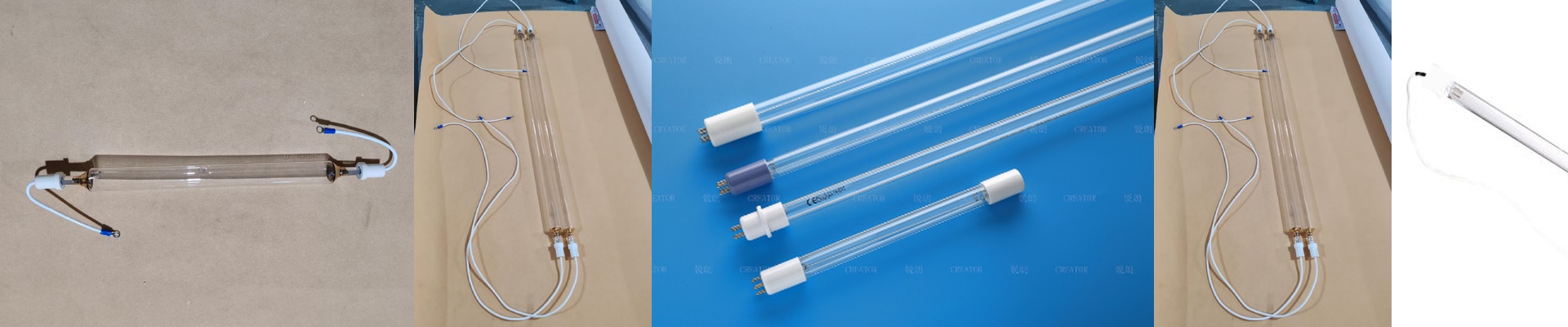
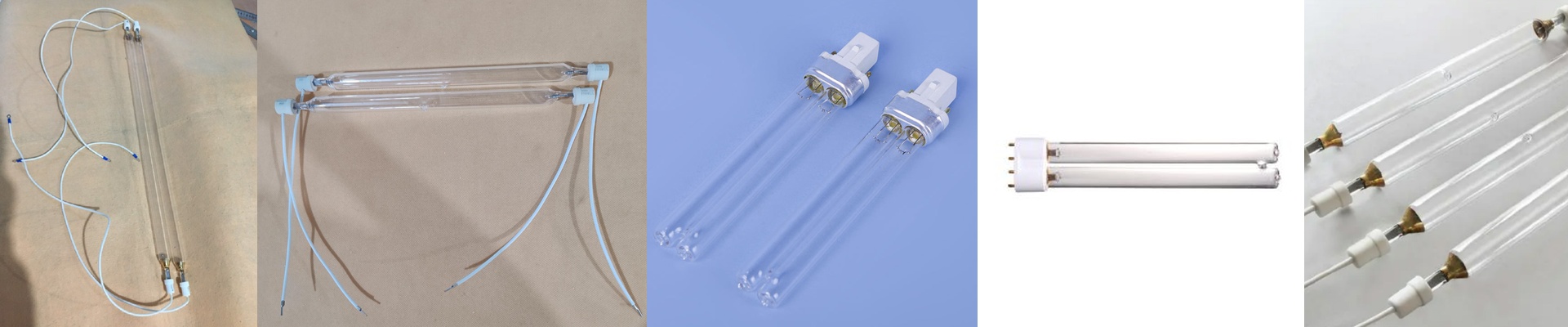
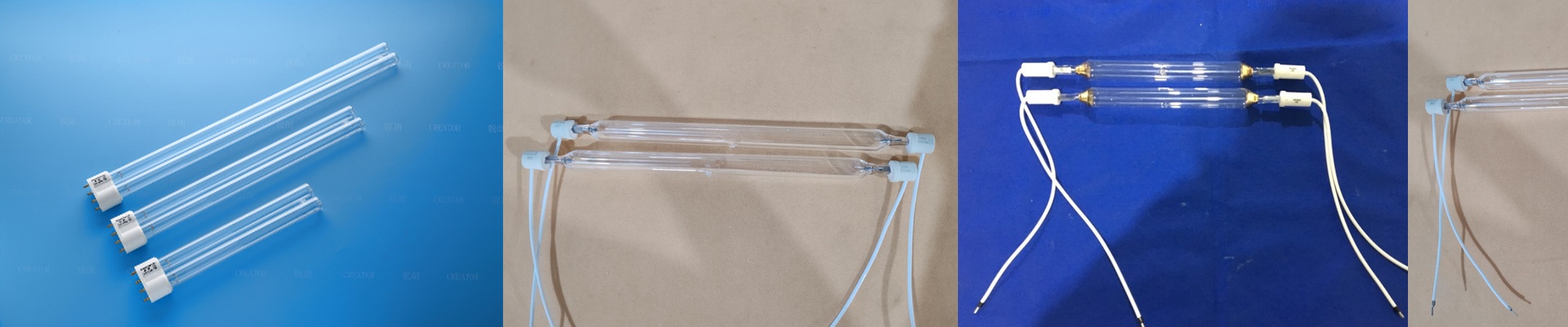
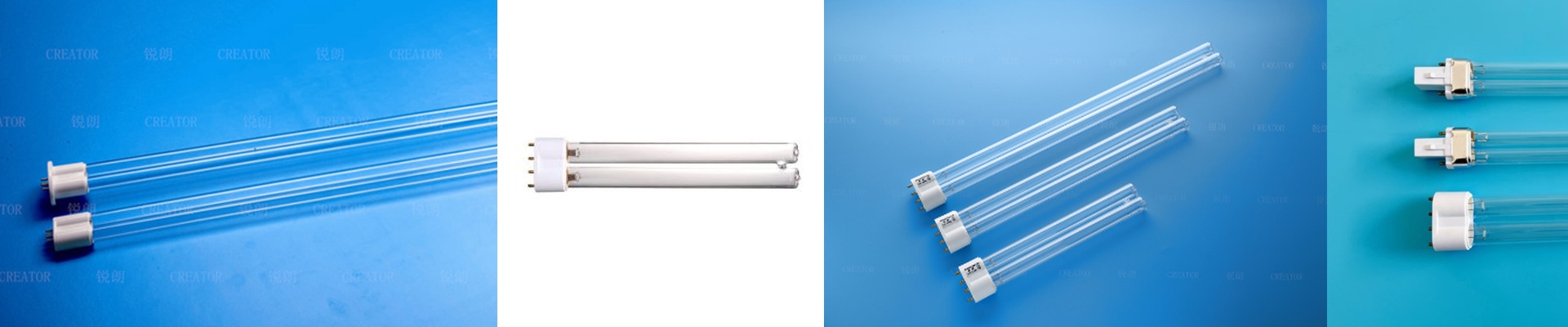
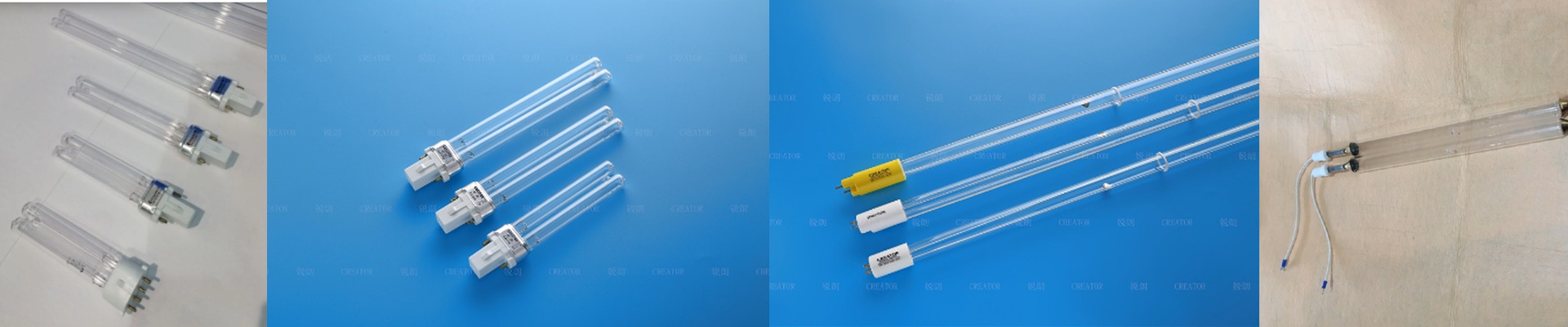
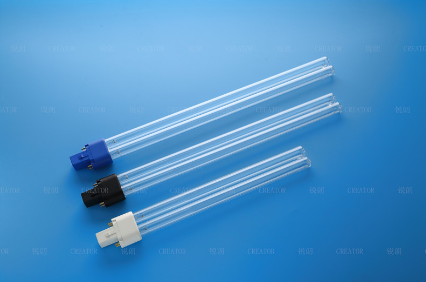
We spent some time visiting 3,000 printing plants. We wanted to see where UV systems actually break. What we found is that most off-the-shelf lamps are built for a lab, not a factory floor. They aren’t ready for the constant shaking and the oppressive heat of a real production line. For anyone building these machines, the goal shouldn’t be “how much power can we cram in here?” It should be “how do we keep this thing running forever?” The heat struggle Industrial printing is a balancing act. You need enough UV power to cure the ink, but not so much that you scorch the material. Here’s the problem: if you push too many watts into a short tube, you get hotspots. Those hotspots kill the electrodes way too early. We focus on the sweet spot between power and heat. If you’re going for a high-wattage setup, you can’t skimp on the cooling blowers. If you do, the lamp envelope will warp, and you’re back to square one. Gear that actually lasts We make our UV solutions fit standard footprints. Why? Because nobody wants a headache when it’s time for a replacement. It should just drop right in. We’re talking tight tolerances on the end-caps and connectors that don’t wiggle loose. We use heavy-duty quartz glass because industrial cleaning chemicals are brutal. Plus, we know factory power can be jumpy, so the electrical drive is built to handle those voltage swings. No flimsy wires here—everything is rated for high heat so you don’t end up with melted insulation. Making life easier for the operator The biggest pain for an OEM is usually trying to cram the power supply and the housing into a tight space. We design our modules to stay small while keeping the curing area wide. But the real win is the access. When a lamp needs swapping, an operator should be able to wire it up and get moving. They shouldn’t have to tear half the machine apart just to change a bulb. It turns a few hours of downtime into a couple of minutes. You get the power you need without turning your conveyor belt into a grill.