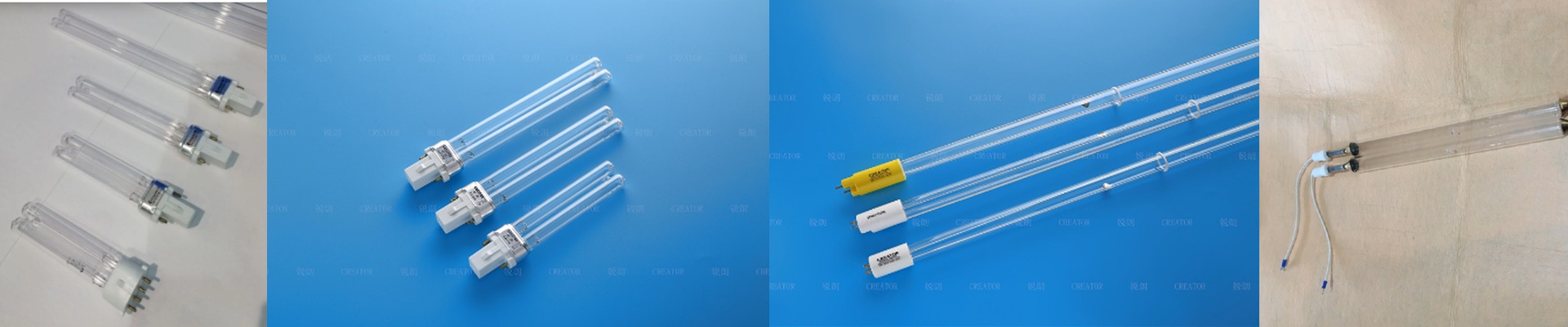
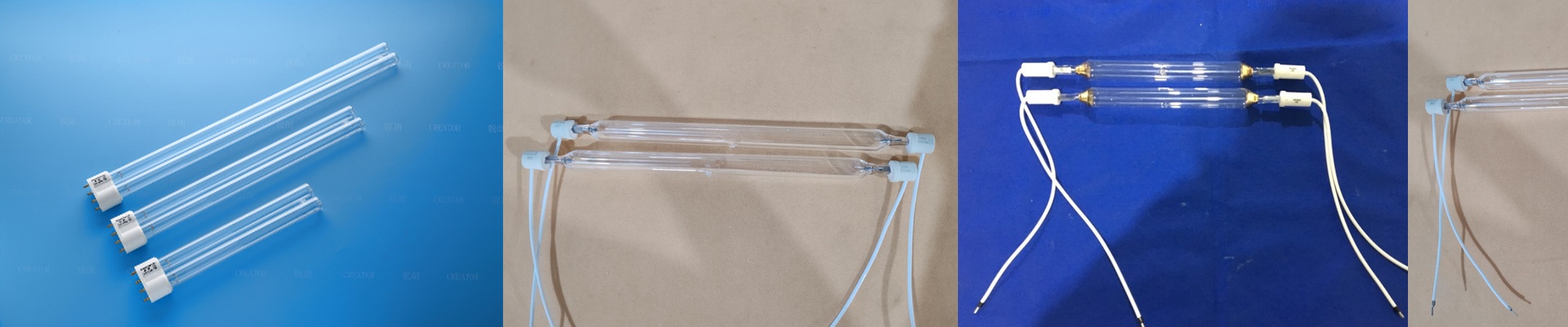
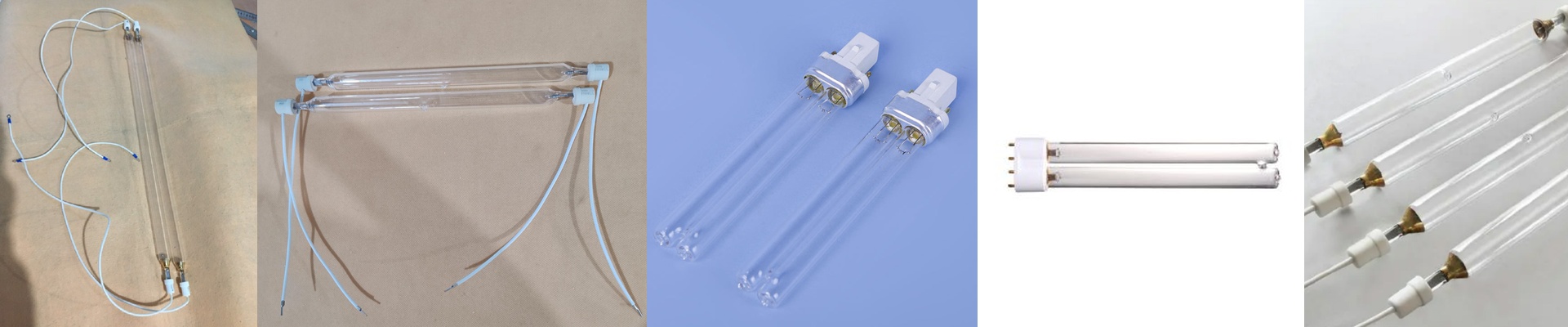
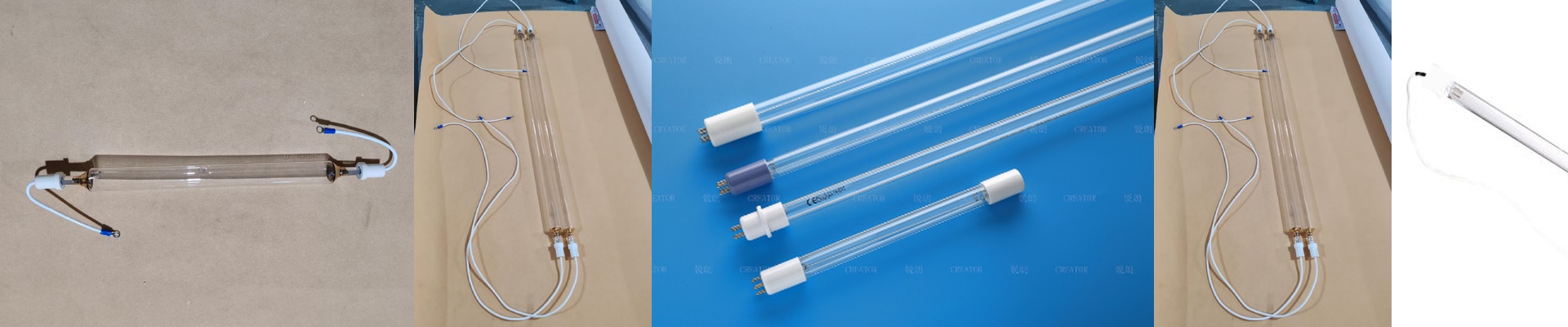
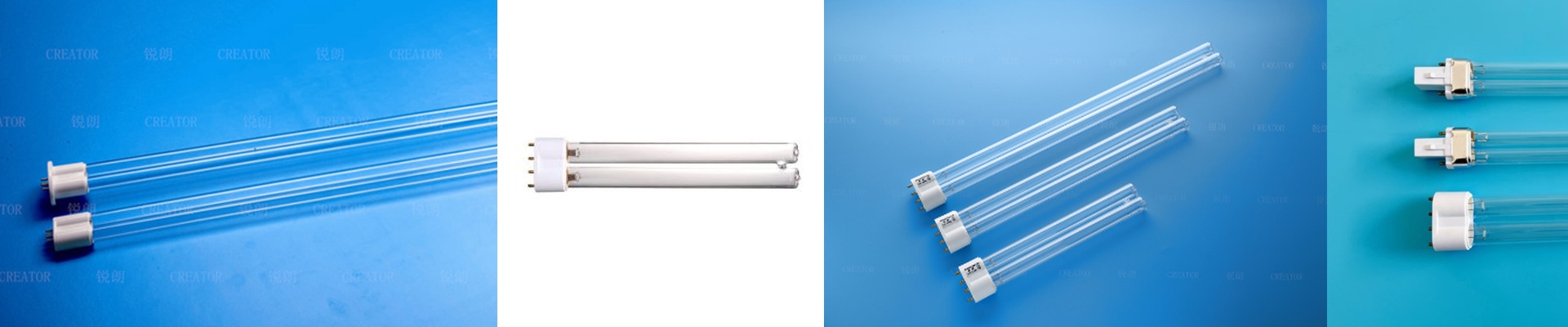
The Real Deal on Engineering UV Germicidal Lamps
UV-C lamps aren’t just plug-and-play gadgets. You’re dealing with a dangerous wavelength, and if you don’t respect that, things go wrong quickly. We’ve spent 15 years figuring out the sweet spot where you get maximum germ-killing power without risking a hardware meltdown. If your quartz envelope is cheap or your ballast doesn’t play nice with the lamp’s impedance, you aren’t just looking at a dead bulb. You’re looking at a potential explosion.
Why the Glass Actually Matters
You can’t just use any glass. Standard glass blocks UV-C entirely. That’s why we stick to high-purity fused quartz—it lets that 253.7nm wavelength slide right through. We also obsess over the wall thickness. Why? Because when you cycle these lamps on and off, they hit a lot of thermal stress. If the walls aren’t just right, the tube cracks. Then there’s the arc. You want it steady. If it starts flickering, you’re not just killing fewer germs; you’re putting a ton of unnecessary strain on your power supply. It’s a lose-lose situation.
Getting the Hardware Right
It all starts with the pins and the seals. We use reinforced end-caps because the last thing anyone wants is a mercury leak in their facility. When you’re wiring these in, the fit has to be spot on. A loose connection is a disaster waiting to happen. It causes arcing at the base, which chars your sockets and kills the lamp.Simple as that. We build these to handle the rough stuff, like voltage spikes, so they don’t just shatter. But you’ve got to do your part. Match your ballast to the specific wattage of the lamp. If you use one that’s too big, you’ll overdrive the filament. You’ll watch your lamp life crash from 8,000 hours down to maybe 2,000. That’s a lot of wasted money and a lot of annoying replacements.
The Trade-off: Heat
Here’s the thing: high-intensity UV lamps get hot. Really hot. While we push for the best output possible, the byproduct is a massive thermal load. If your housing doesn’t breathe, the lamp temperature climbs. And when it gets too hot, the emission peak actually shifts, and your sterilization efficiency drops. You’ll want to make sure your cooling fans are beefy enough to handle the total wattage of the lamp bank. Keep it cool, and the output stays stable.