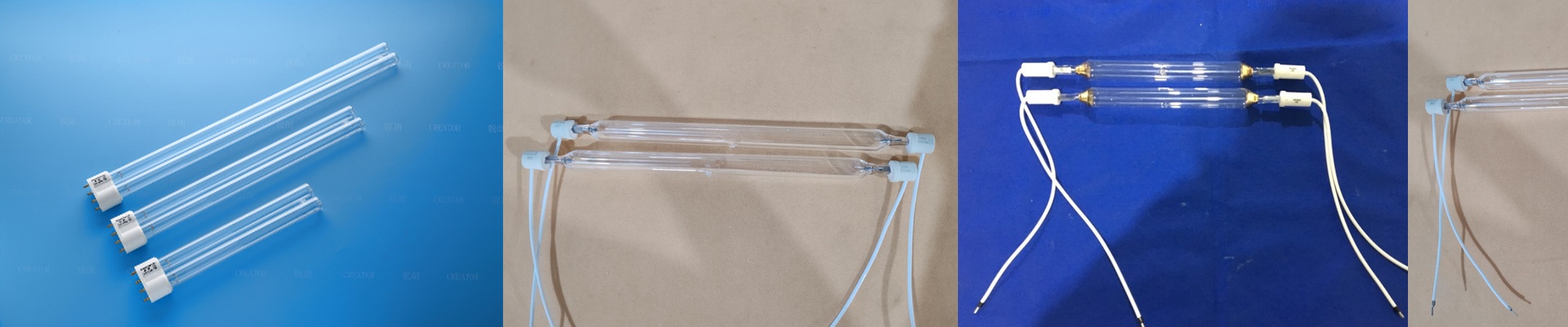
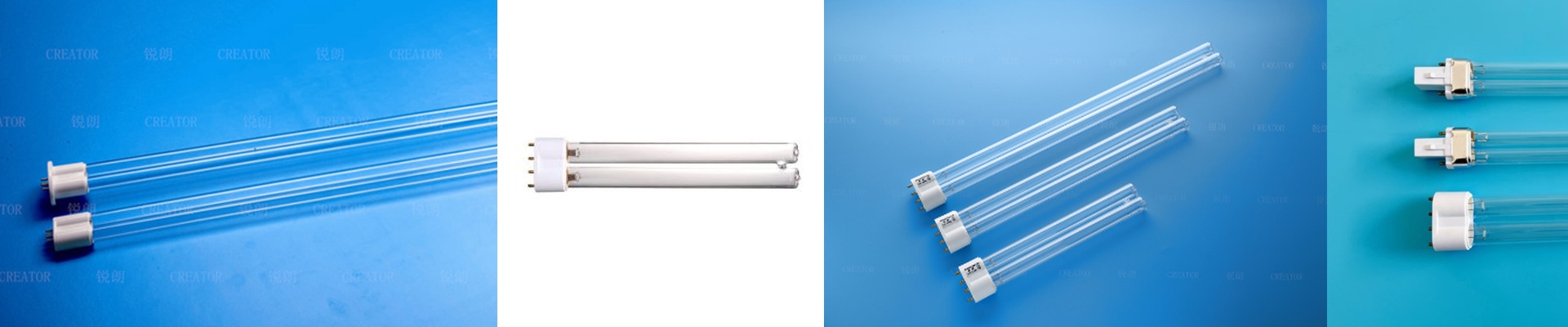
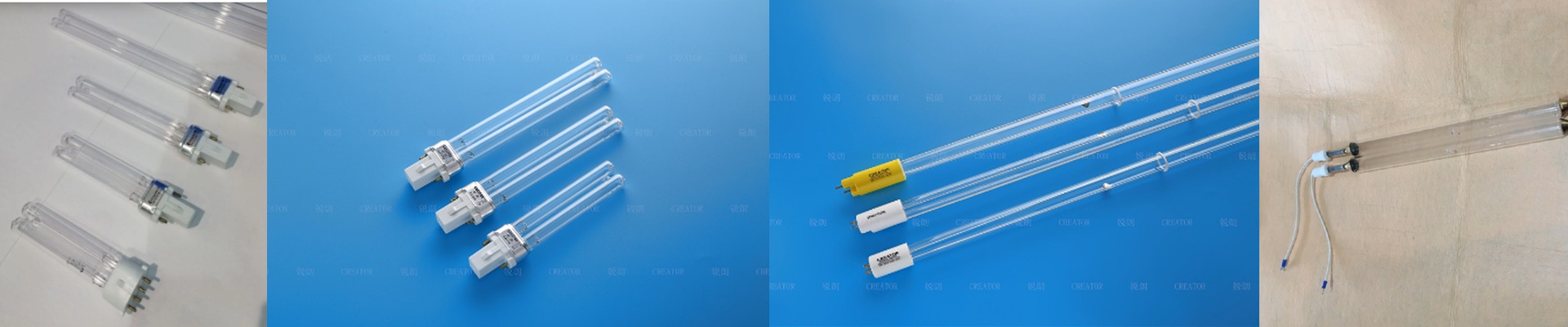
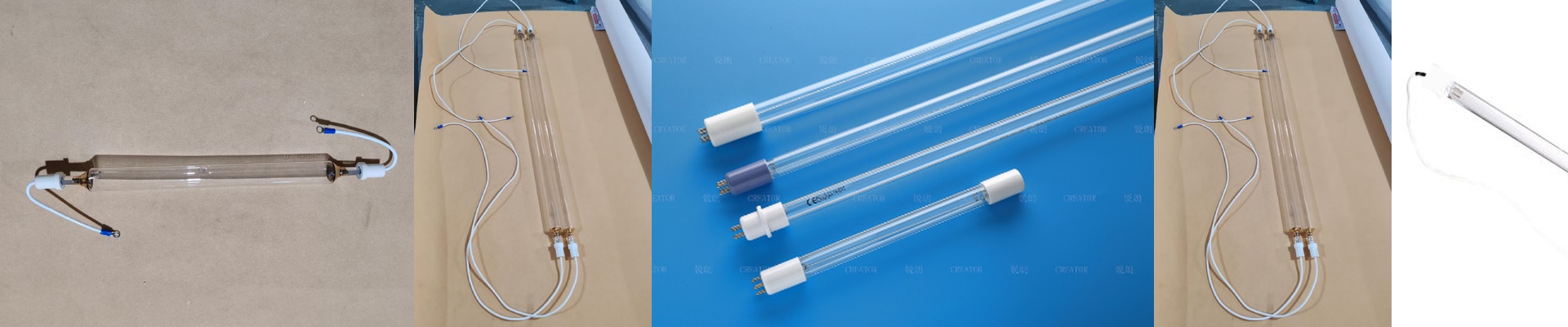
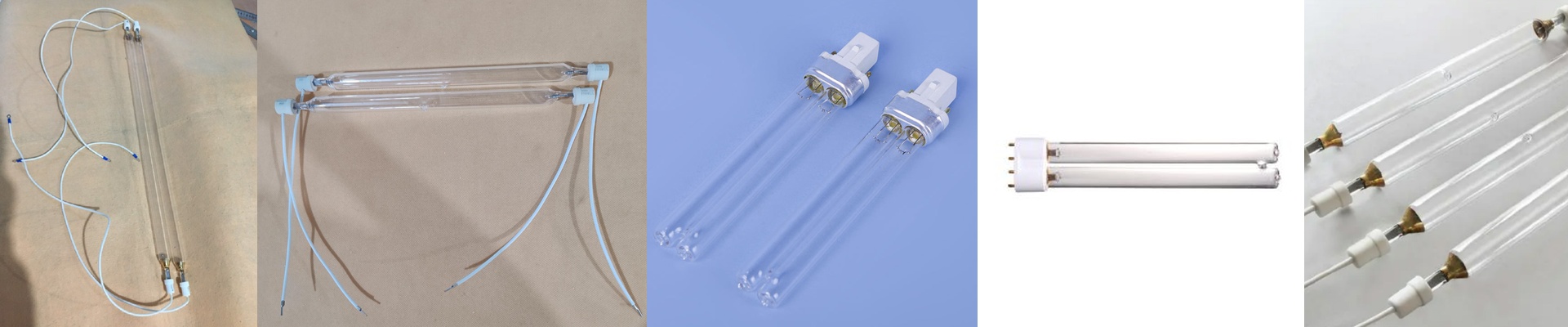
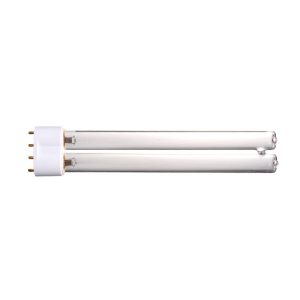
Let’s talk about the 80W/cm Mercury UV Lamp
We build our standard mercury UV lamps at a power density of 80W/cm. Why that number? Because it’s the “sweet spot.” It gives you that fast reaction time you need for industrial curing or sterilization, but it doesn’t chew through the tube’s lifespan.
The nuts and bolts of the power
Think of the 80W/cm rating as the linear wattage. So, if you’re using a 100cm tube, you’re pushing 8,000W through that quartz envelope. It’s a lot of energy. That’s why we use high-purity fused quartz. Without it, the glass would cloud over or “solarize” under all that heat, and you’d be left with a useless piece of glass. One quick tip:**make sure your ballast matches this wattage.**If you under-power it, you won’t get the UV conversion you’re paying for. Over-drive it, and you’ll fry the electrodes way too soon.
Why we do things differently
Most companies just buy their quartz tubes and electrodes from someone else and slap a markup on them. We don’t do that. We handle everything under one roof—the quartz forming, the mercury dosing, the electrode welding. All of it. No middlemen, no extra layers of profit. You just get a lamp that hits the spec without the “distributor tax.”
Real-world use (and the trade-offs)
These are basically drop-in replacements for most standard UV curing arrays. They play well with a huge variety of photo-initiators, so the spectral output stays consistent. But here’s the thing:**80W/cm gets hot.**Really hot. If your conveyor is moving too slowly or your cooling fans are choked with dust, your substrate might warp. When you’re planning your setup, look at the thermal load, not just the UV output. And do yourself a favor—check your reflector alignment every 500 hours. You don’t want your UV energy wasting away as heat against the machine housing. Keep it focused where it belongs.