Why Most Industrial UV Lamps Fail (and How We Fixed It)
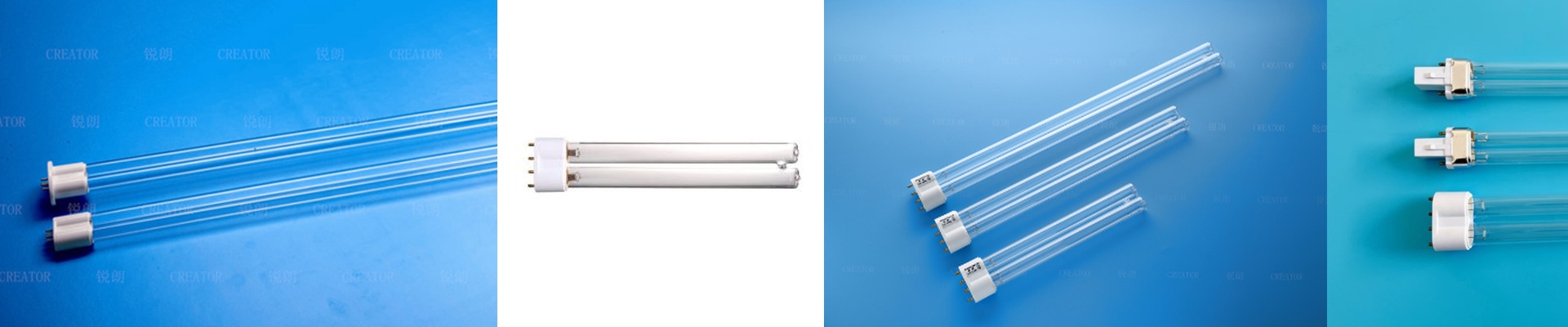
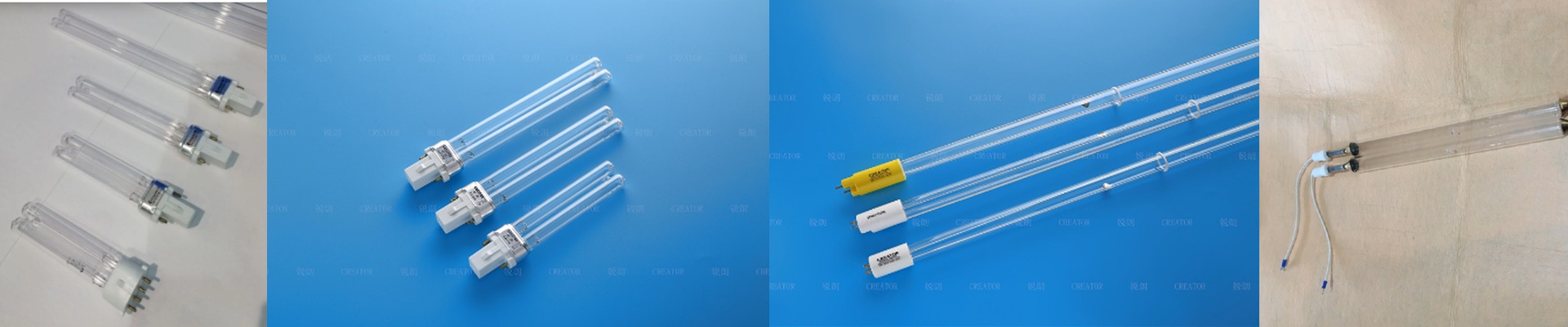
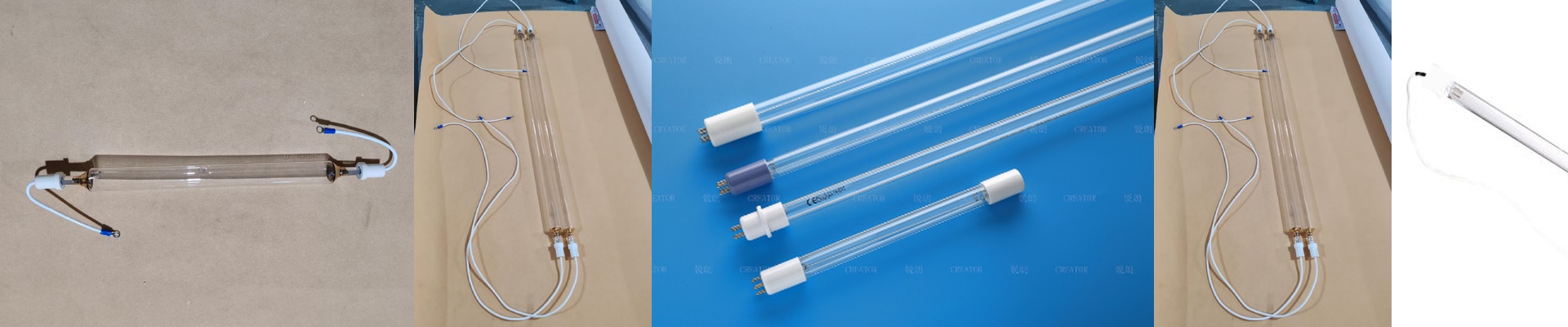
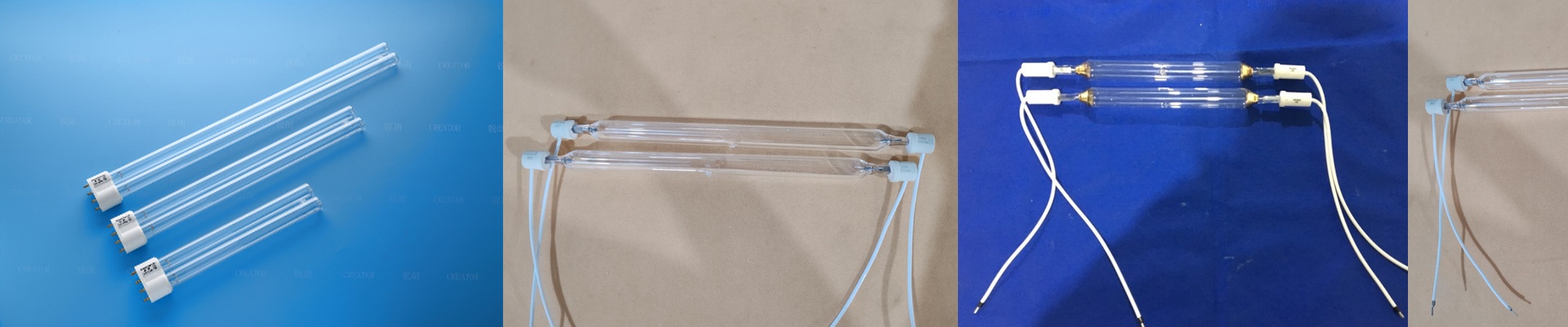
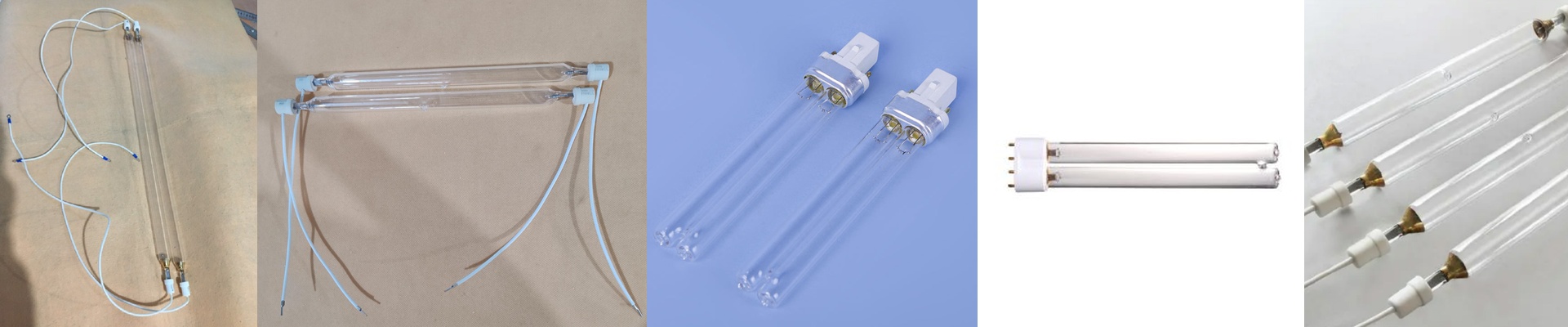
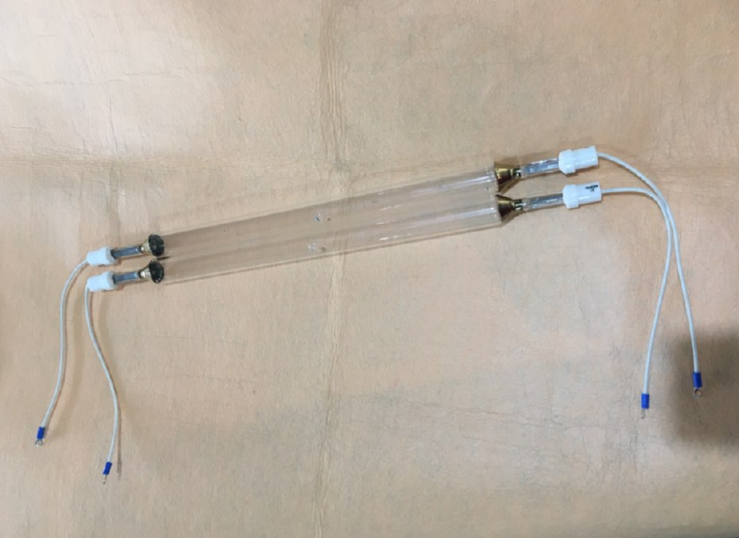
For 15 years, we played the white-label game, slapping our name on other people’s gear. But eventually, we got tired of it. We wanted to build our own UV lamps—specifically, drop-in replacements that wouldn’t just give up the ghost the moment you pushed your production line to full speed. The science part is actually pretty simple. Most lamps die because the electrodes are sloppy or the quartz is cheap. We use high-purity fused quartz. Why? Because cheap glass “solarizes.” It turns brown over time, which basically acts like a curtain, blocking the UV light from getting out. Then there’s the heat. If you cram too many watts into a short tube, you’re just asking for the electrodes to fry. We spent a lot of time tweaking the gas fill and the geometry of the electrodes to make sure the arc stays steady, even when you’re flipping the power on and off constantly. It also comes down to the fit. If a lamp doesn’t seat perfectly in the socket—whether it’s an R7s or a custom pin-base—you’ve got a problem. A loose connection creates resistance. Resistance creates heat. Heat melts your sockets. It’s a nasty cycle. We made sure our lamps fit existing footprints exactly. No hacking at your wiring. No messing with your reflectors. You just pop them in and they stay put. But here is the honest truth. A high-intensity lamp can speed up your line, but it puts a massive strain on your cooling. If your fans are clogged with dust or your chilled water loop is acting up, even the best lamp in the world will burn out early. I’ve seen it happen a dozen times: a customer installs our high-wattage tubes but leaves in their old, degraded reflectors. They’re losing 30% of their efficiency before they even start. Before you swap your lamps, do yourself a favor and check your reflectors. If they’re dull, you’re just wasting power.