Getting UV Curing Right (Without the Headache)
Most off-the-shelf UV lamps are kind of a mess. They leak energy all over the place, throwing out a wide spectrum of light that you probably don’t even need. When you’re working with specific resins or inks, that “noise” is just wasted energy. We do things differently. We build Modular systems that focus on one thing: hitting the exact wavelength your photoinitiators actually care about.
The trick to tuning the light
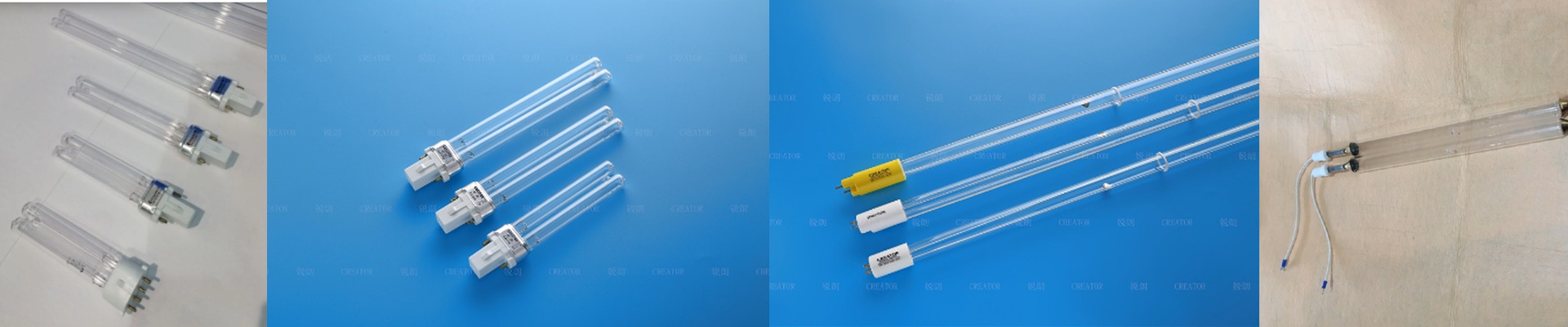
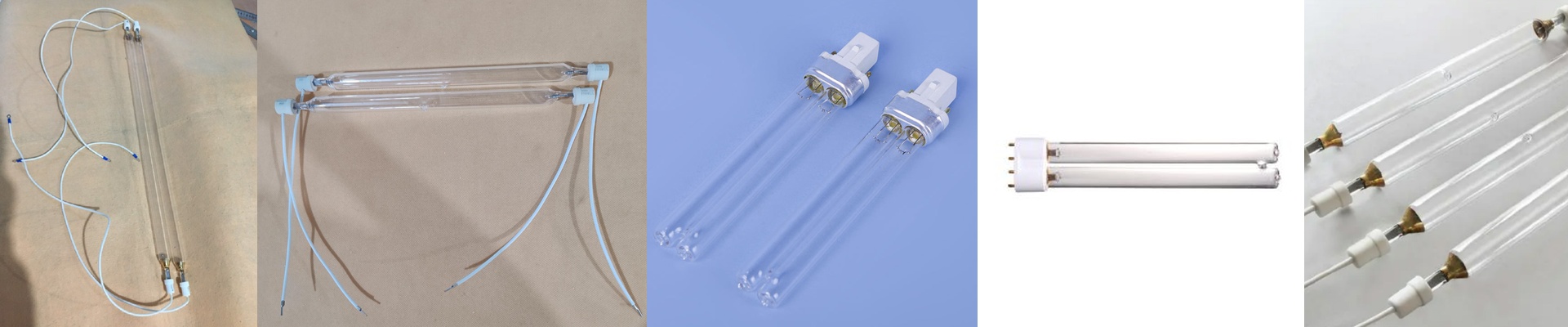
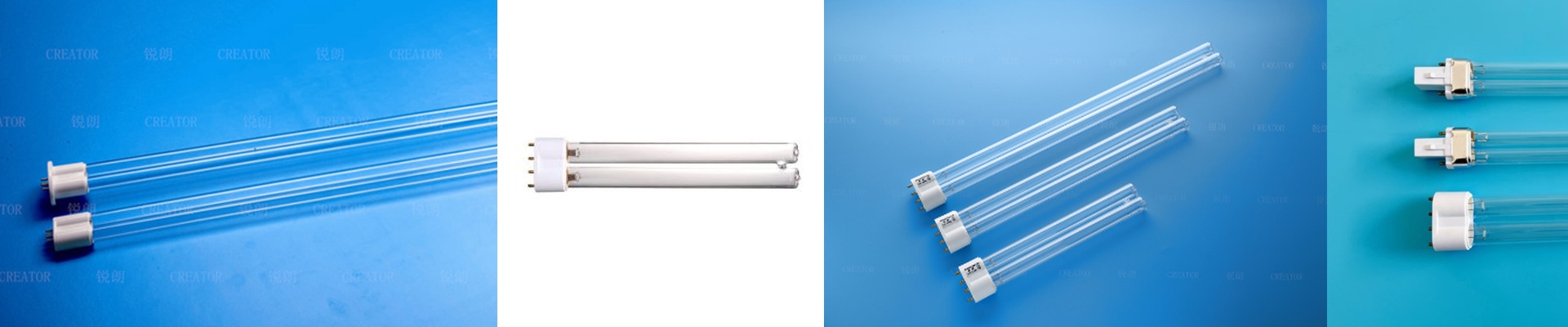
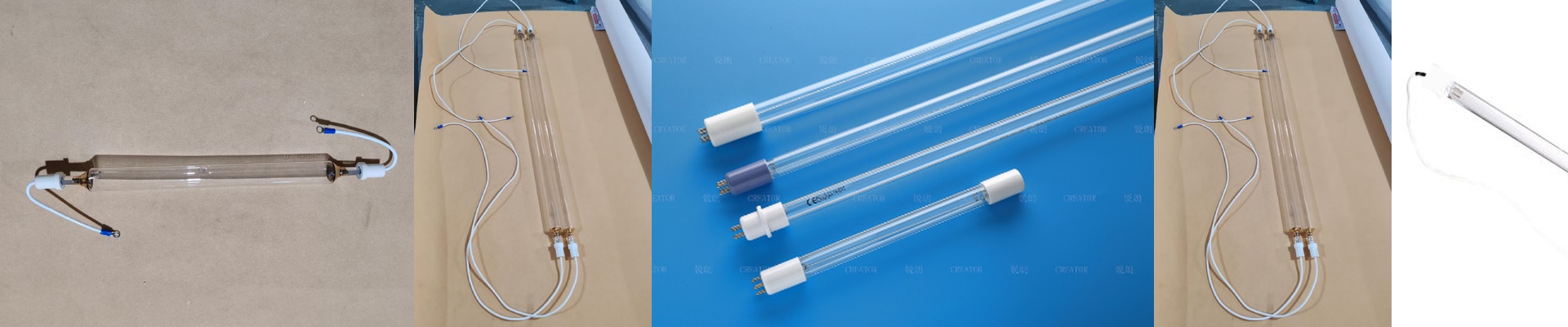
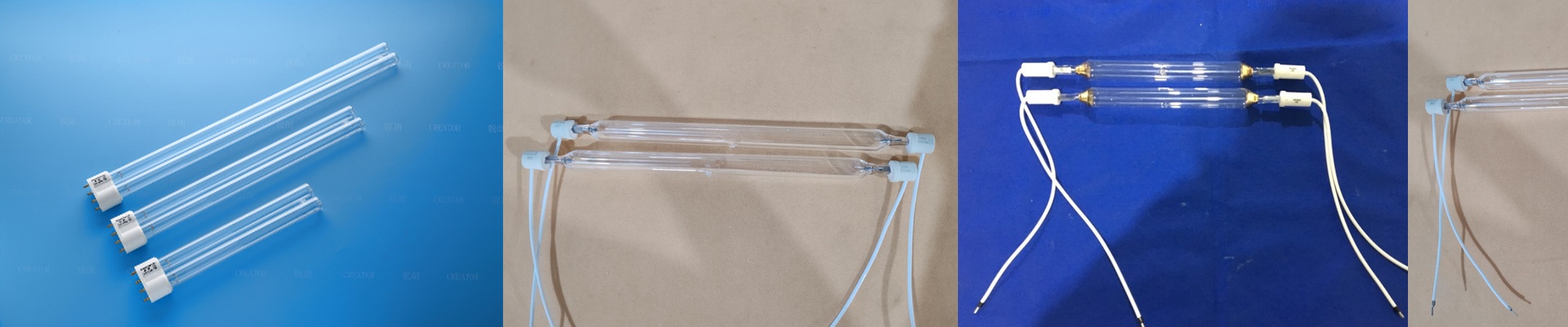
We don’t just toss a bulb in a socket and call it a day. We get into the weeds with the gas mixtures and electrode shapes to make sure we’re hitting a very specific peak nanometer range. Here’s why that matters: maybe your coating needs 365nm to cure deep into the material, but you need 395nm to get the surface just right. With a modular setup, you can just swap the lamp heads. No need to rip out the wiring or rebuild the whole chassis. We also use high-purity quartz for the envelopes. It stops the glass from absorbing the UV, so the photons actually hit your product instead of just heating up the lamp.
Dealing with the heat
Our systems use a slide-in frame. If your line speed picks up, you just scale the length of the curing tunnel. Simple. But there’s a catch with high-intensity UV—it creates a ton of infrared heat. If your cooling isn’t up to the task, you’ll start seeing bubbles in your resin or, worse, your substrate will warp. That’s a nightmare to fix. To stop that, we built in cooling manifolds to pull the heat away fast. We also angled the reflectors to bounce the UV straight down, so the side walls don’t turn into radiators.
Keeping things running
We used standardized connectors because nobody wants to call in a specialist every time a lamp burns out. You can just pop a new one in and get back to work. You can also tweak the intensity through the power supplies. Just a word of advice: don’t crank them to 100% all the time. Pushing the lamps to their absolute limit kills the electrodes way faster. We usually suggest running them at about 80%. You still get the throughput you need, but your lamps last much longer. It keeps your footprint small and your downtime even smaller.