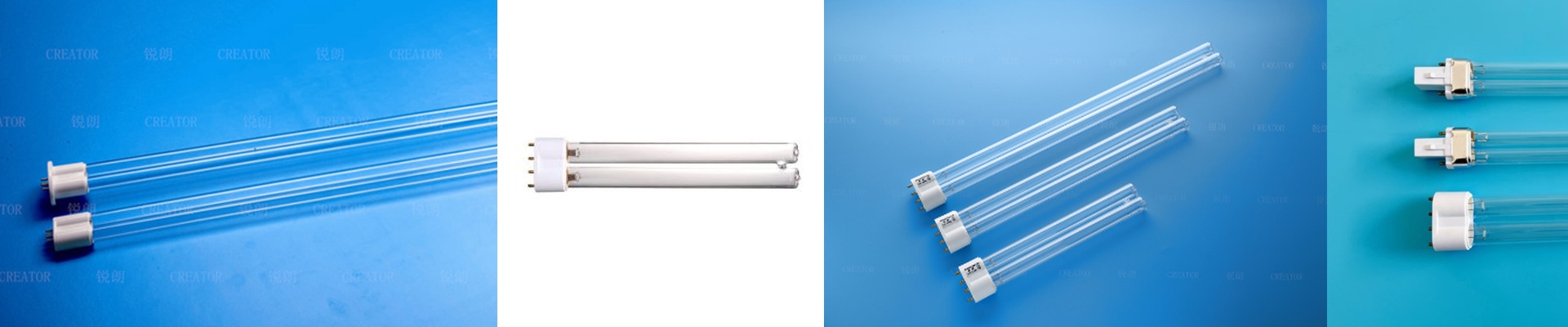
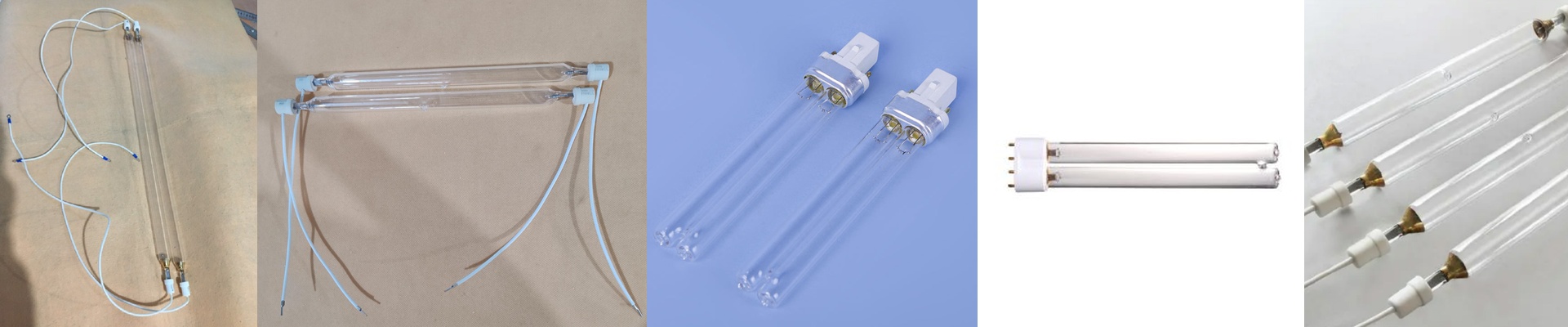
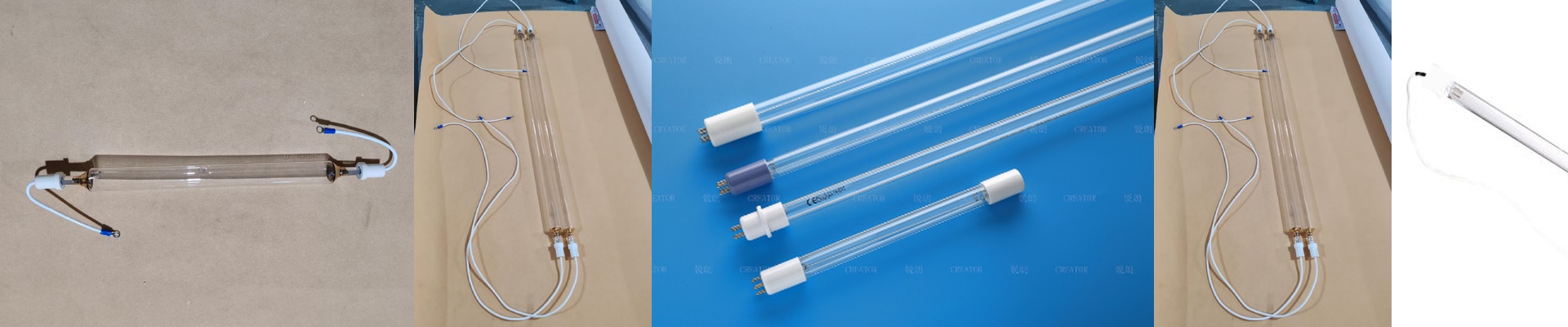
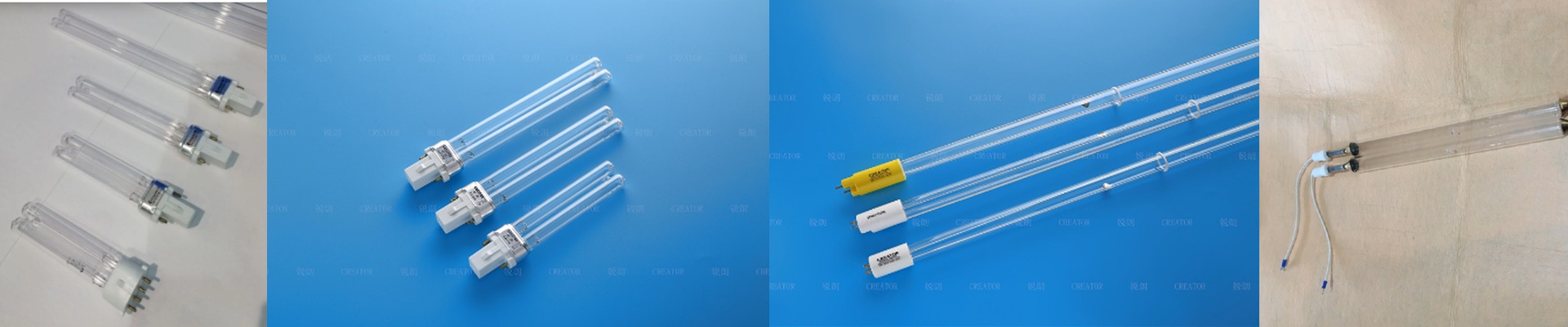
On a disinfection robot running at high throughput, cycle time is the hard limit. Standard UVC sources will knock microbes out, but the irradiance is low enough that you end up holding the beam too long. That drags down throughput and adds overhead. The bottleneck isn’t just total dose—it’s dose rate.
What we build around
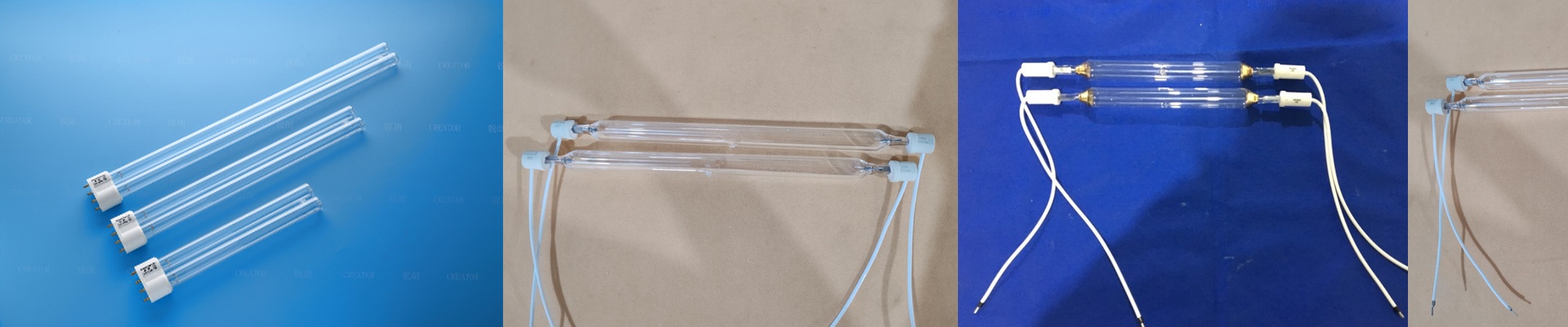
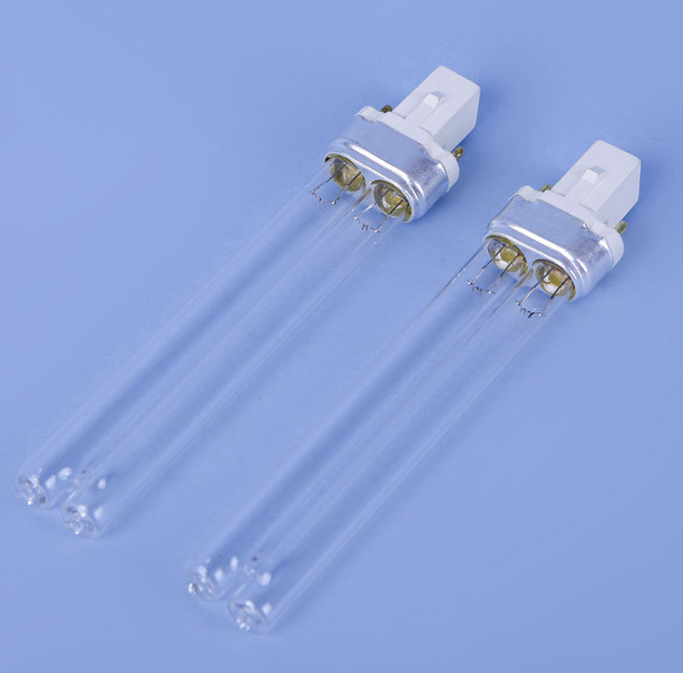
We spec these UVC curing lamps around 254 nm mercury vapor emission, packaged to hit peak irradiance above 200 mW/cm² at a defined working distance. The reflector is high-reflectivity aluminum with a dichroic coating, so we keep the spectral output tight and squeeze more usable photons out. Output is measured and logged against a traceable radiometer, and we hold dose repeatability within ±5% across the full arc length. Lamp life is rated to 9,000 hours, with output decay under 10% over that span. The quartz envelope is chosen for ozone-free operation—critical when you’re running in tight robotic chambers.
Why it fits the robot application
With public-space disinfection robots, the job is simple: get the required log reduction, fast, and keep moving. Higher peak irradiance cuts exposure time per square meter, so the robot can traverse faster and reposition less. The lamp package is compact and mounts rigidly, which matters when the chamber geometry is cramped. And because the spectral output stays stable, dose mapping stays consistent across different surface types. In practice, that means shorter cycles, repeatable disinfection performance, and less energy drawn per completed run.
The shop-floor details
Thermal management isn’t optional. You need dedicated airflow or proper heatsinking to keep junction temperature in spec—skip it, and output drift and envelope stress show up fast. Check mechanical clearances and reflector alignment tolerances during integration. Even a 2° misalignment can drop effective irradiance on target in a meaningful way. Also confirm the controller is compatible. The lamp needs a constant-current driver with arc-ignition support and safety interlocks. And plan on routine radiometer calibration to keep dose accuracy over time.