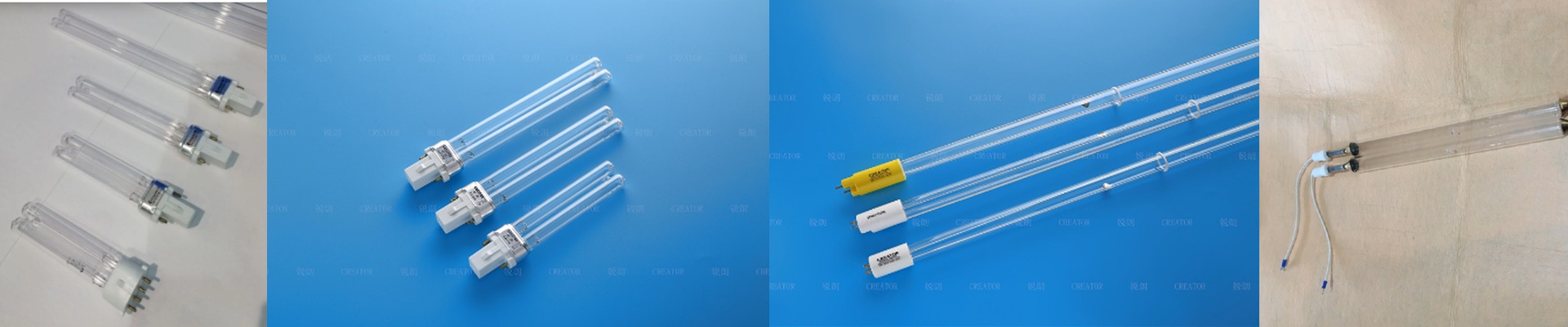
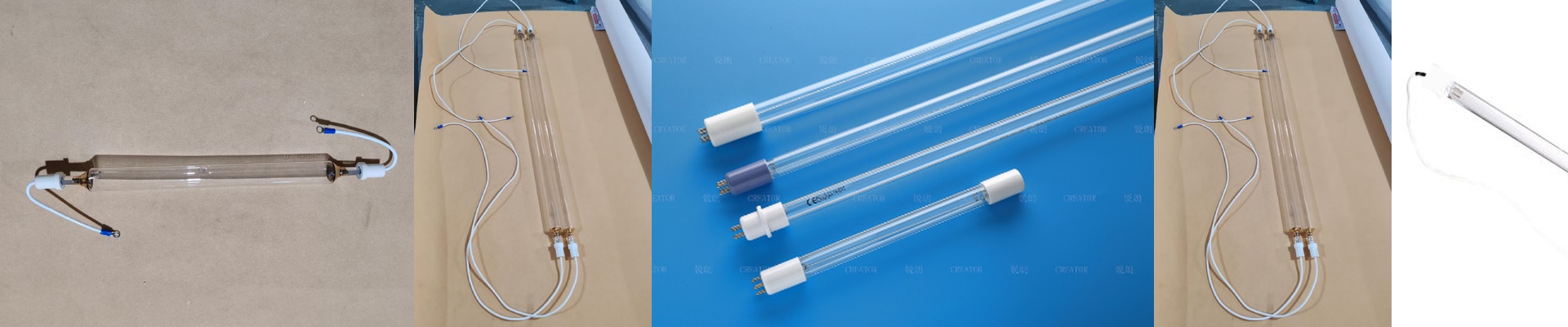
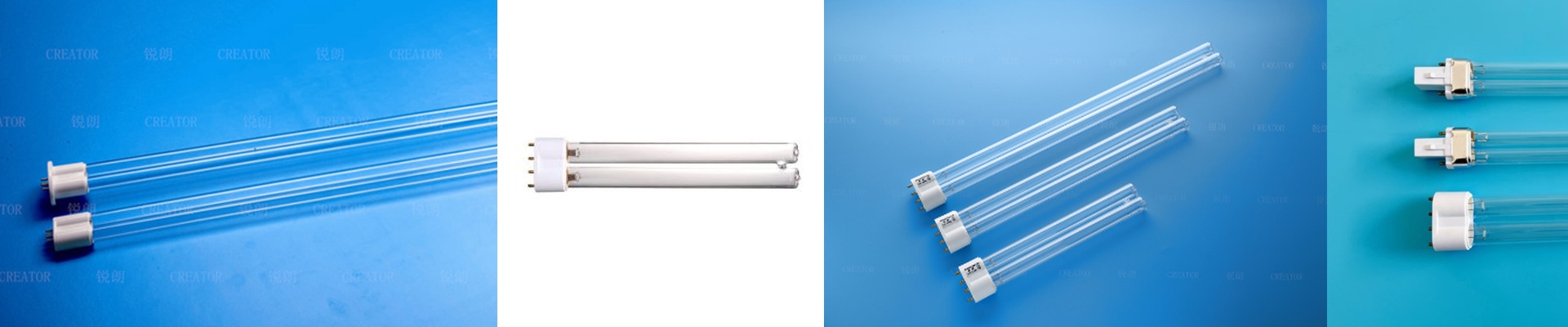
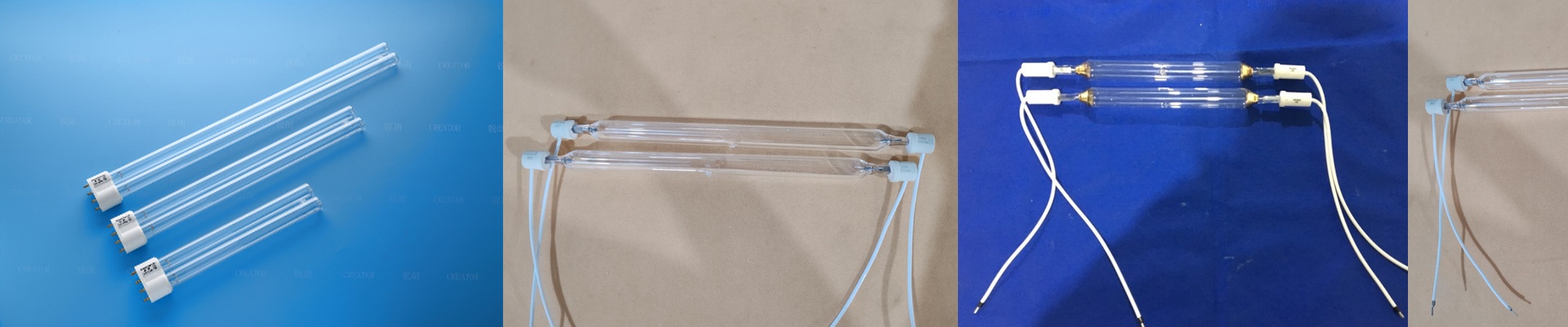
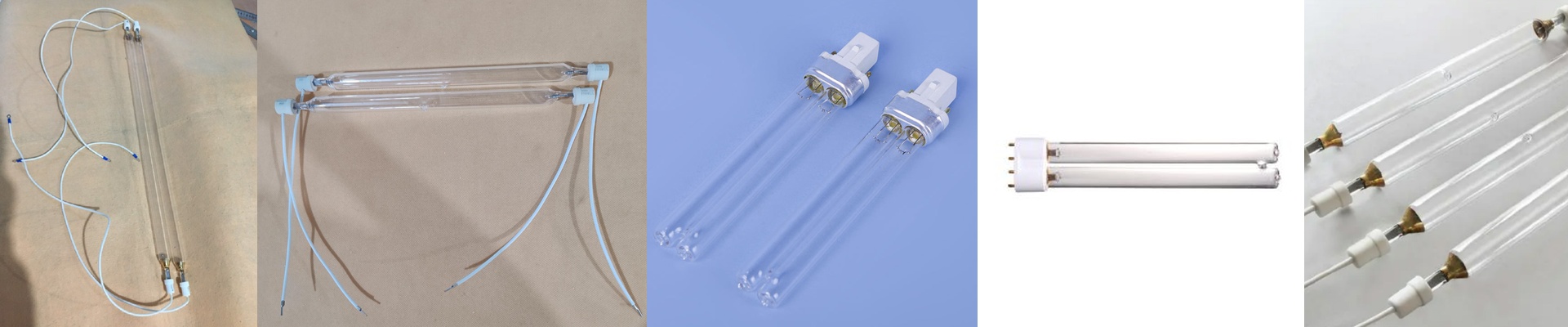
On a high-speed web offset line, the UV system isn’t a nice-to-have. It’s the gatekeeper for throughput and print quality. At 200 m/min, you’re talking milliseconds under the lamp. If the spectral output drifts or peak irradiance dips, the ink skins on top while the bulk stays undercured. Then you get blocking, set-off, and a pile of scrap. What matters is delivering energy that lines up with the chemistry. Our Gallium UV lamp for offset plate curing uses a mercury-vapor source with a tailored spectral output, centered to drive the photoinitiators in offset formulations. Expect a stable peak in the 365–395 nm window, 600–900 mW/cm² peak irradiance measured at the web plane, and curing energy density in the 300–600 mJ/cm² range depending on coating weight. The reflector uses a dichroic coating to shape the envelope and cut wasted IR, so more of what you put in electrically comes out as usable UV. Output stays within ±3% across the arc length after 1,000 hours, and we routinely see 5,000+ hours before end-of-life, with output drop below 10%. Here’s why it works on the floor: it’s physics, plus disciplined process control. Gallium-doped lamps give you predictable, repeatable output, so the photoinitiator activation rate stays consistent from the first sheet to the last roll. That keeps cross-linking uniform, even when the press is pulling 200 m/min. The payoff is fewer web breaks, less energy per printed meter, and fewer lamp swaps. Now, a couple of things that will make or break you. Lamp output is sensitive to quartz temperature. Keep the reflector/lamp thermal profile stable—target lamp wall temperature around 800–900°C for consistent arc position and spectral stability. And check alignment. Even a small mis-focus shifts the irradiance distribution and can leave the web edges thin on cure. Finally, make sure your ink’s photoinitiator absorption matches the lamp’s dominant wavelengths. A mismatch will push you to run higher power, and that shortens lamp life fast.