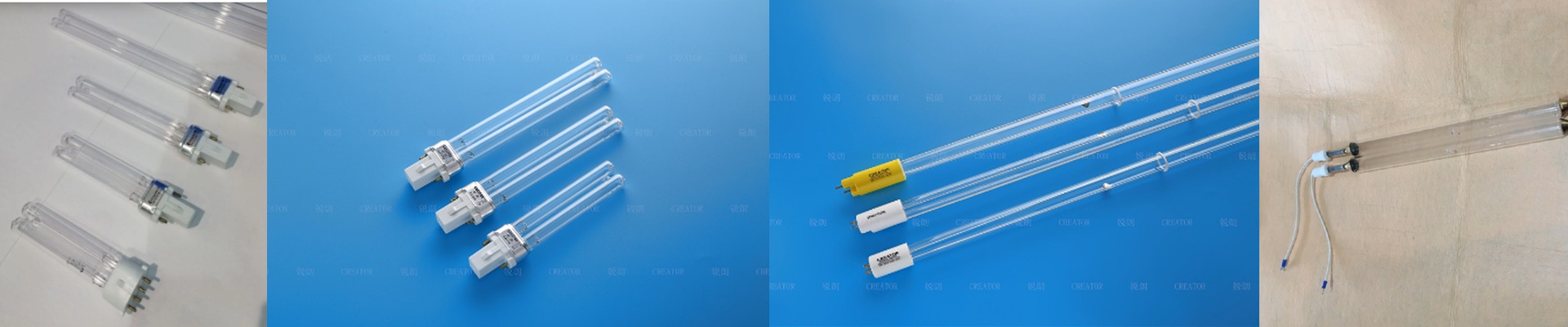
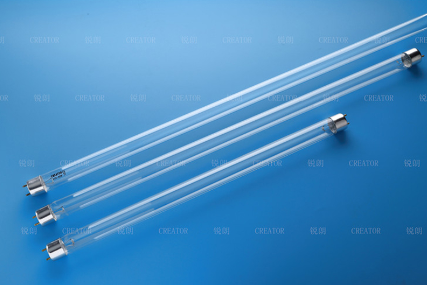
Introduction
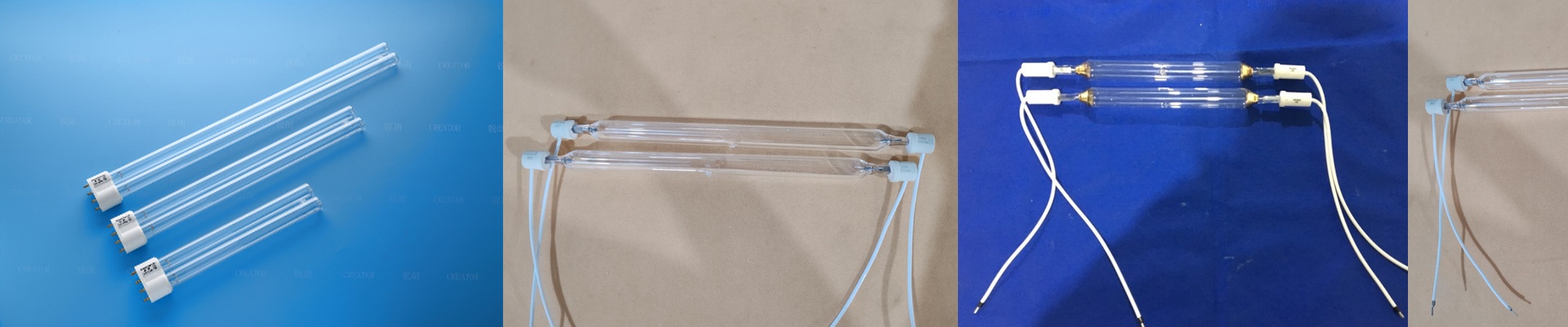
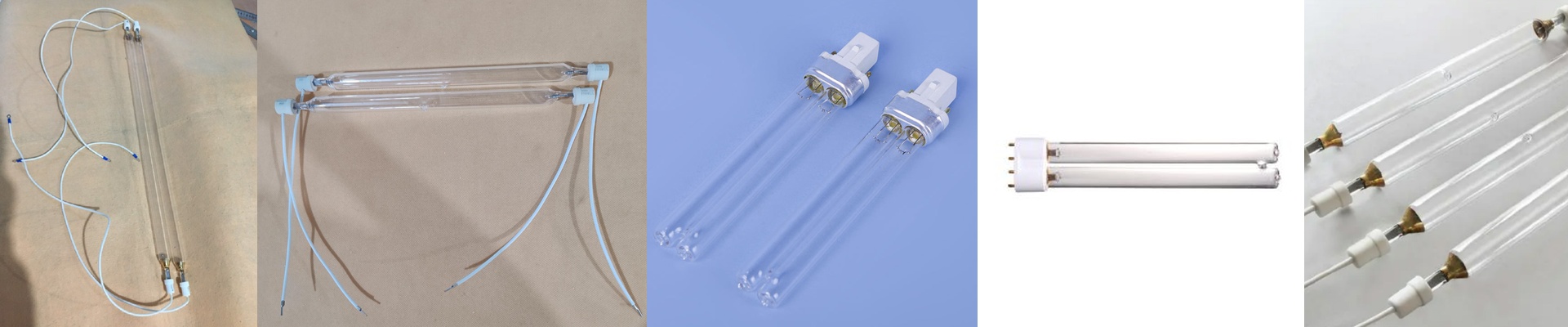
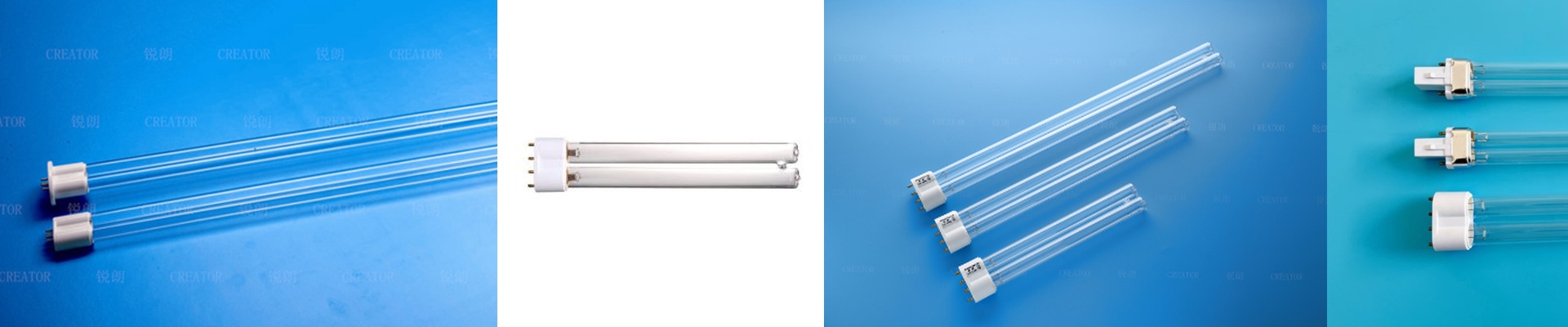
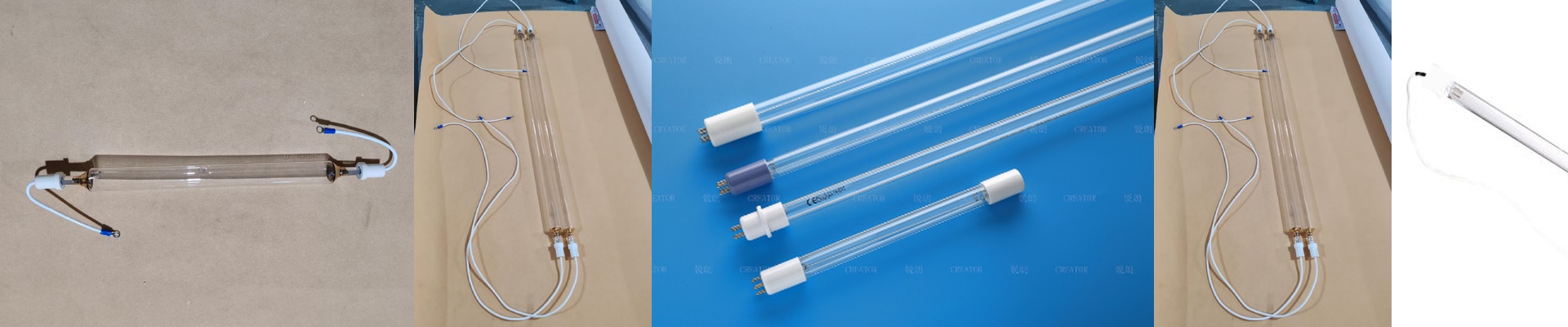
Let’s talk about UV curing in printing plants. It’s the kind of step that can make or break your whole operation. If your lamp can’t keep up, it becomes the bottleneck that slows everything down. So we built our quartz UV lamps around one simple, non-negotiable idea: they have to deliver consistent power, day after day, with barely any drop-off. That reliability comes down to the quartz itself, which lets the UV light blast through with full force. Pair that with a long-life filament and a rock-solid arc design, and you’ve got something special. When your lamp stays strong, your line doesn’t grind to a halt for bulb swaps. And that means your cost per piece goes down. Just like that.
The Nitty-Gritty: Power, Voltage, and Keeping Things Steady
UV curing is all about control. You need that irradiance to be rock-solid. That’s why we spec our lamps to deliver steady wattage and a stable arc, from the moment you flip the switch to their last day on the job. We match the voltage and power rating to the exact length of the lamp and the shape of its electrodes. This keeps the arc length locked in, so the energy hitting your ink is always repeatable. A stable arc means stable curing speed. So your press can just keep running at its own pace, without you having to back off to compensate for a lamp that’s fading.
What’s Inside: The Quartz, the Filament, and the Fit
Quartz is the star of the show because it’s brilliant at letting short-wave UV through. Less gets absorbed, so more of that curing power actually reaches the ink. We pair that quartz envelope with a filament and fill gas that are tuned for a long life and minimal drop in output. The goal is simple: the light doesn’t start to fade early. Then there’s the end fit. We engineered it so you can pop the lamp in quickly, get a secure connection, and know it’s aligned. It’s a true drop-in replacement for most curing modules, and it stays put, even when things get shaky from vibration or the heat cycle.
Why This Matters on the Floor
In a printing plant, the UV lamp is running for hours on end. When it fails, it’s a mess—you’ve got downtime, re-calibration, and wasted stock. A lamp that lasts longer and doesn’t lose its punch stretches out the time between replacements. That means fewer spare parts to stock, less labor, and way less downtime. Now, it’s worth noting that getting the most out of that higher power and stable arc means you need the right cooling and a power supply that’s perfectly matched to the lamp. But when you get the whole system spec’d correctly, you’ve got one less thing to worry about. And that clarity is what leads to a lower cost per unit.