CE-Certified Industrial UV Curing Systems: The Real-World Blueprint for Global Compliance
Let’s cut through the noise. In the industrial UV curing world, a spec sheet only gets you so far. The rest of the story is compliance—especially if you’re shipping equipment across borders. That CE mark? It’s not just a sticker. It’s the backbone that tells buyers your system meets the safety and performance expectations of international markets. We build our UV curing units around that reality, so they arrive ready to work—no customs headaches, no production delays.
The Power Setup, in Plain Terms
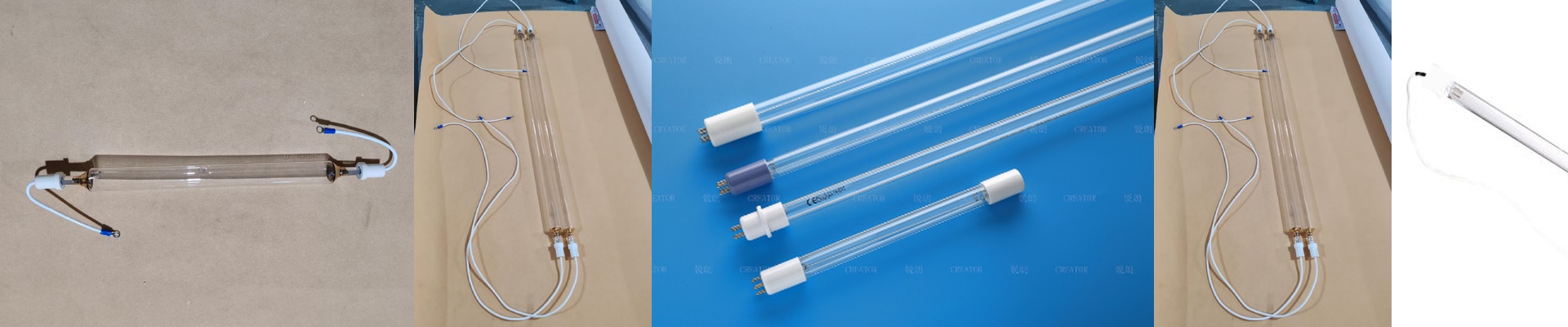
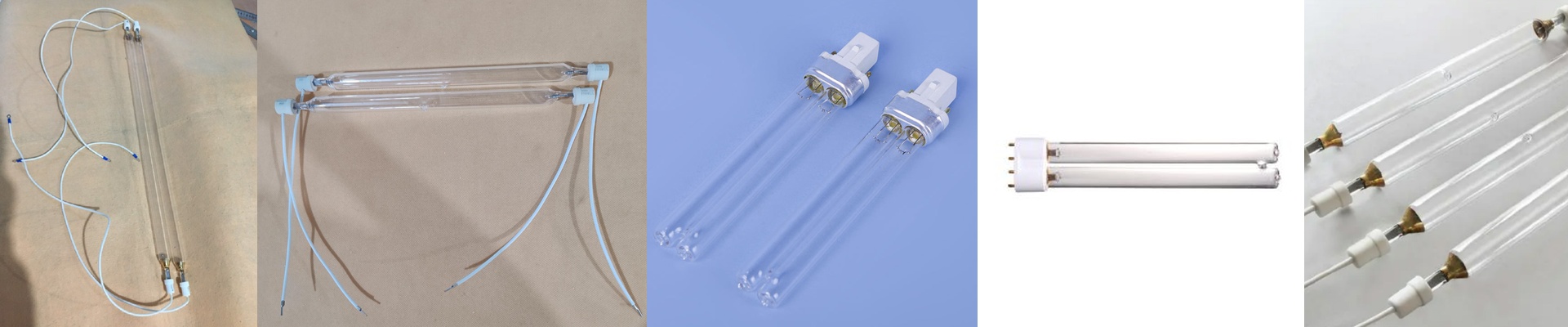
We design these systems with one goal: pack serious energy into a small footprint. That means pairing a tough power supply with a high-wattage lamp. A typical setup runs on a 400V input and delivers 2500W through a 300mm tube. The output is intense—focused heat and UV energy that gets the job done fast. The 300mm length isn’t random. It’s chosen to drop straight into standard curing chambers, so you can swap out older units without redesigning your whole machine. But here’s the catch: that much power density is hard on cooling. Your existing airflow or water-cooling needs to be up to the task. If it is, you avoid overheating and keep the lamp running longer.
What’s Inside Matters: Quartz, Coating, and Connections
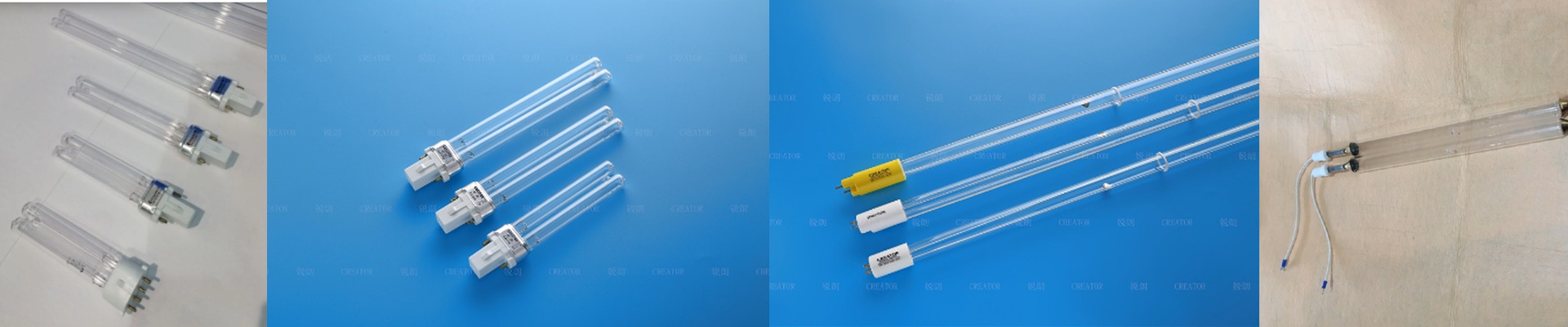
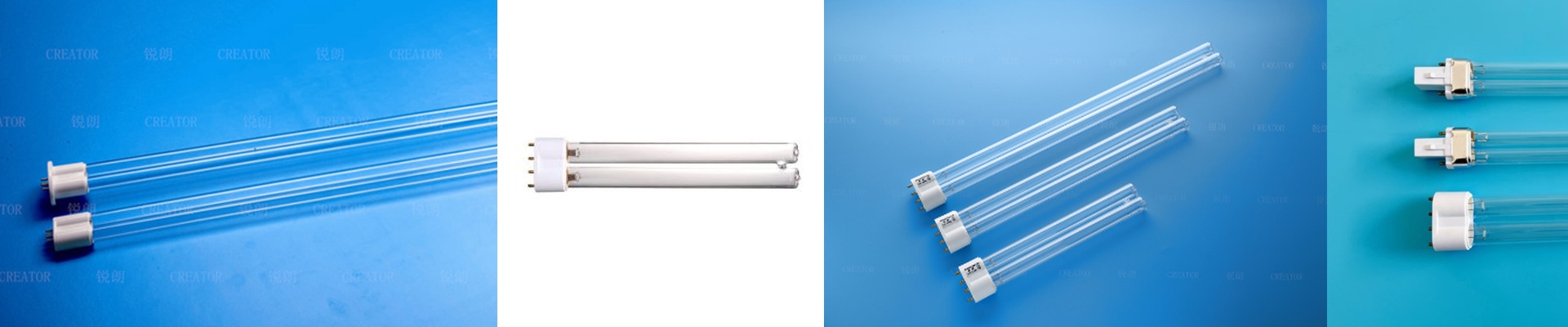
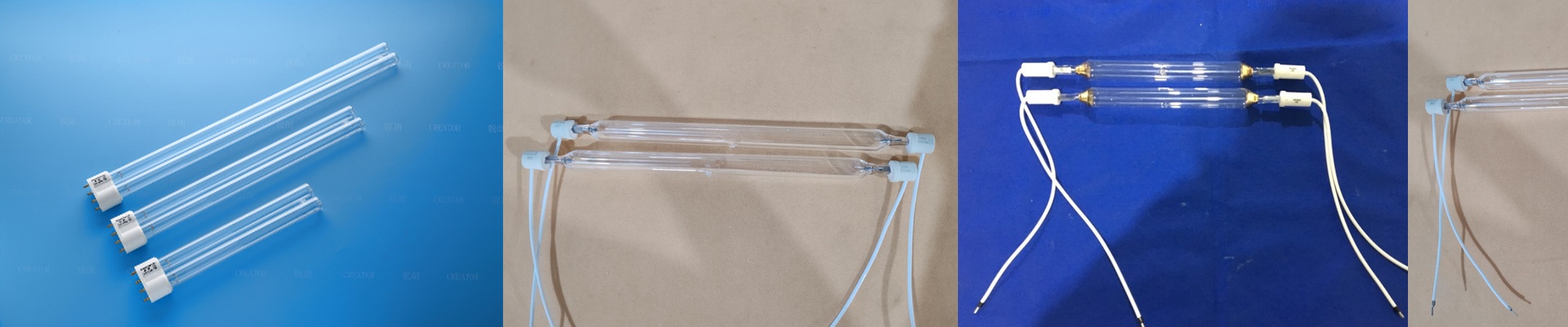
At the heart of the lamp is high-purity quartz. It handles extreme heat shock and relentless UV output without breaking down. We add a specialized coating to keep the spectral output steady and shield the internal filament. The result? Performance that stays consistent over thousands of hours. Then there are the connectors—the part that actually touches your shop floor. We use R7s bases because they’re proven: reliable, built for high current, and tough enough for constant vibration and temperature swings. A solid connection means fewer burnouts and less downtime from bad contacts.
Built for the Grind, Not the Demo
This configuration is made for real production work—curing coatings, adhesives, and inks on high-speed lines. High power, precise fit, rugged materials: together, they create a process you can count on, shift after shift. And the CE certification? It’s more than paperwork. It means the equipment meets harmonized European standards for electrical safety and electromagnetic compatibility—so you can source it confidently for global operations.
What This Feels Like on the floor
You wire it in clean. It fits like a direct replacement. And then it runs—without needing constant attention. The R7s connector makes installation quick and secure. The design handles the thermal cycling of 24/7 operation. The outcome is simple: fewer surprises, less downtime, and a system that keeps pace with your line. We don’t engineer these for a polished presentation. We engineer them for the factory—where specs have to perform under pressure, and compliance has to protect your supply chain.