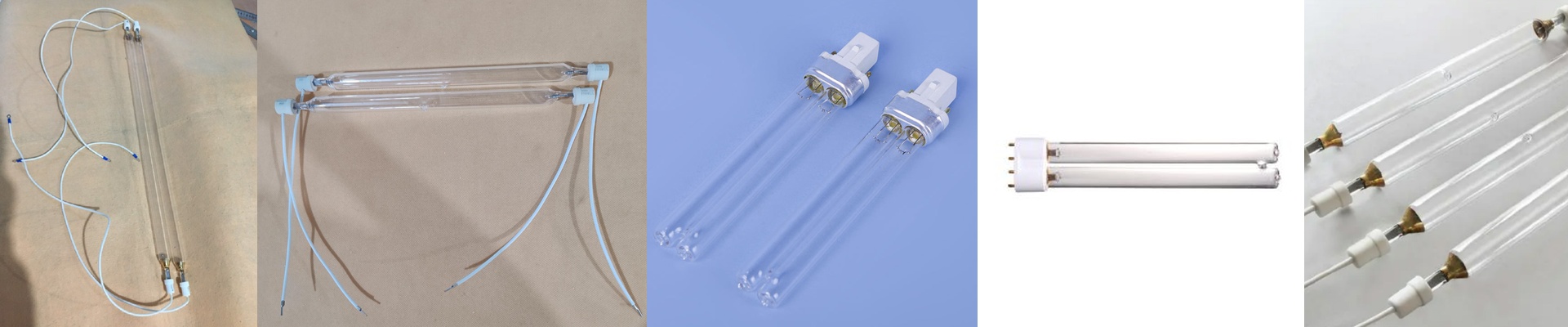
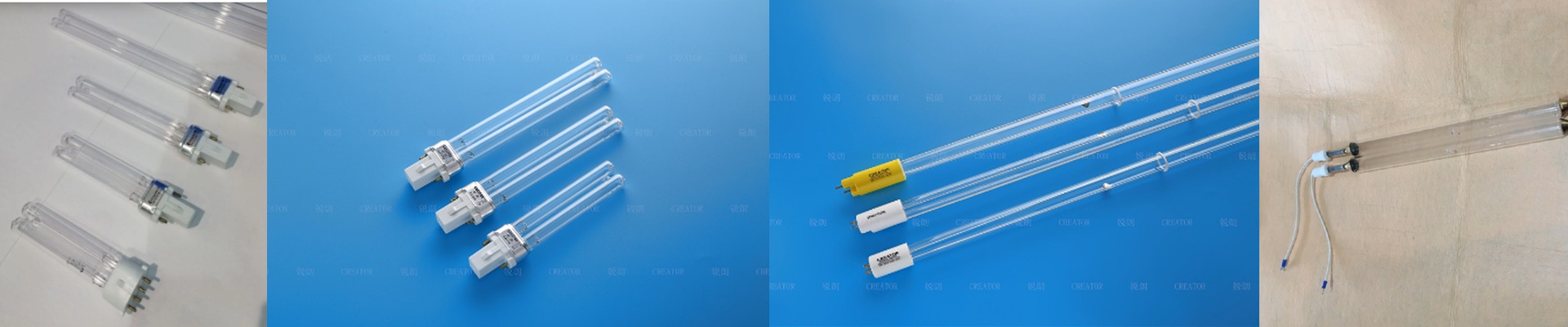
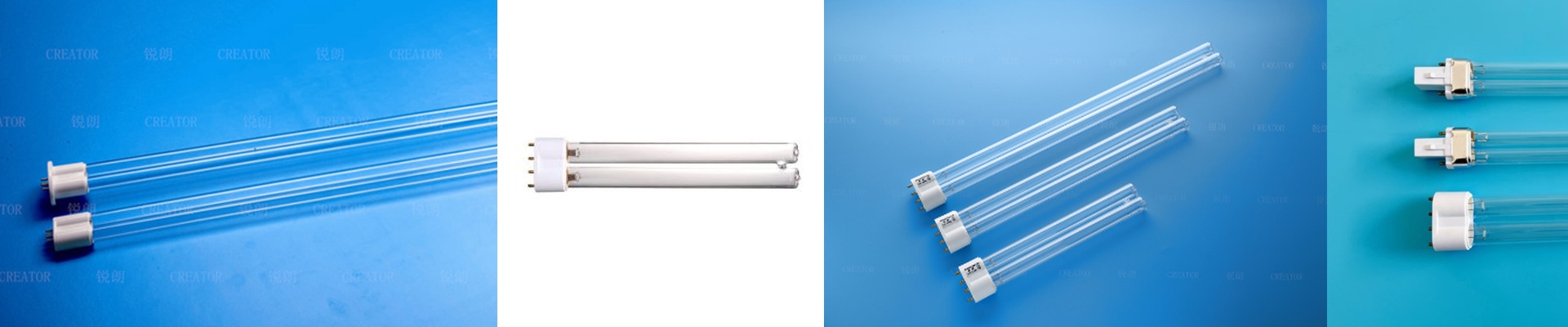
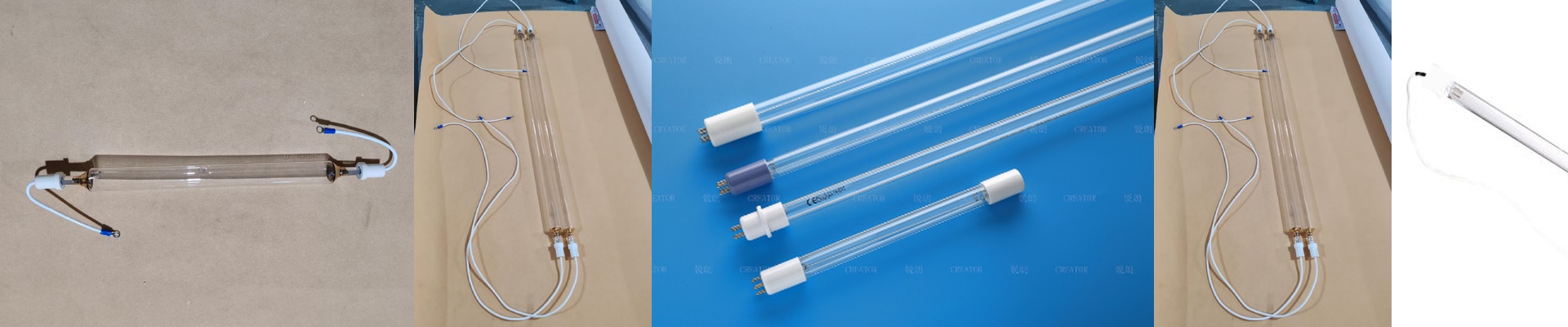
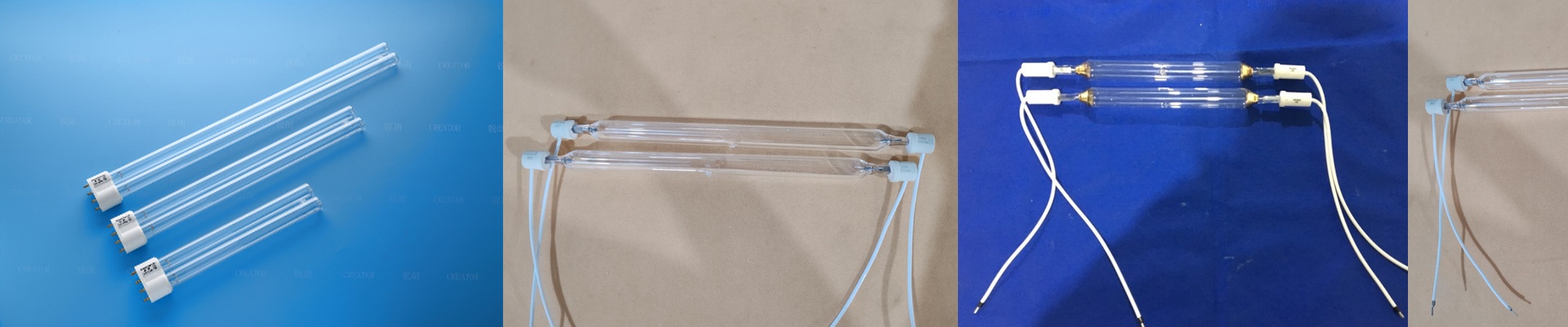
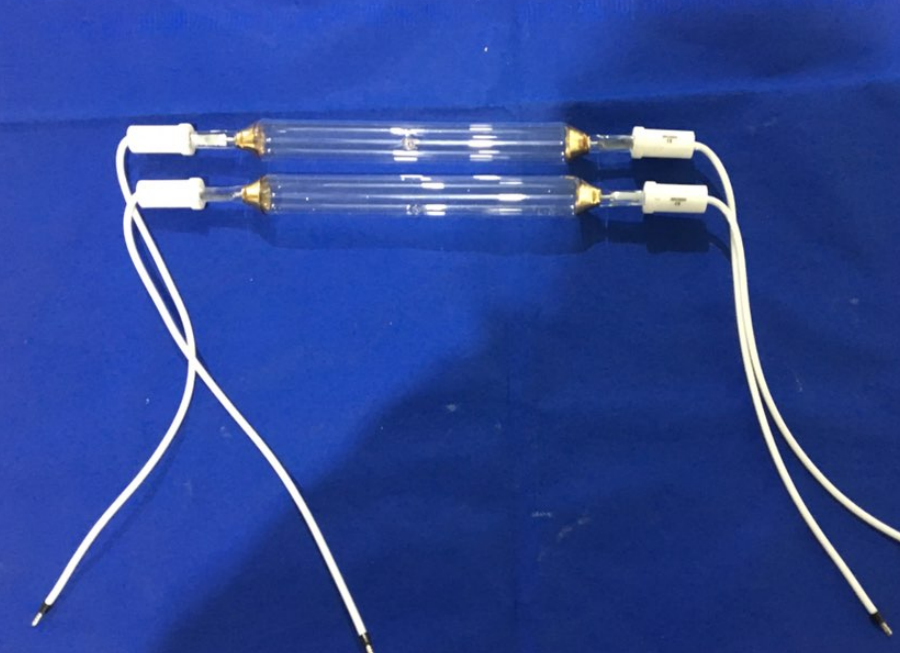
Walk the plant floor and you’ll see what I mean. Large-format presses running side by side throw off a lot of noise—EMI from servo drives and PLC cabinets, line-voltage dips every time a big machine kicks in, RF from encoders nearby. None of that is theoretical on the line. It’s what can nudge UV output off target and stall the cure when you least need it. When the lamp wavers, the defects show up fast: pinholes, adhesion that falls off, and ink that wasn’t fully cured carrying over. What actually matters under the hood We built these far-UVC germicidal lamps to stay steady in the 222–235 nm window, so the germicidal action stays consistent and the spectral output stays tight. The power supply architecture is proprietary, and it’s set up to reject conducted EMI and keep line transients from messing things up. That holds ripple down and makes ignition repeatable, job after job. The quartz envelope and reflector stack are chosen specifically for output stability, even with repeated on/off cycles. So peak irradiance doesn’t drift with the machine’s duty cycle. You get dose delivery that stays on target across a long shift, not just when everything is sitting at steady state. Why this plays in a pressroom When you’ve got multiple presses running, stability shows up as fewer cure-related defects and a lot less rework. This lamp holds output when EMI spikes and voltage dips, so the photoinitiator response in the UV ink stays repeatable from one job to the next. That translates to cross-linking you can count on, surface energy that doesn’t jump around, and fewer stops for quality checks. The payoff is more uptime and less scrap—without giving up cure speed. A few field notes that save headaches These lamps are placement-sensitive. Keep the driver away from noisy bus bars and RF-heavy cabinets, and stick to the specified shielded cable routing. Take a hard look at the press’s electrical environment. Proper grounding and separation do more to knock down interference than any single component can back-fill. And remember: far-UVC intensity drops with distance. Hold the standoff at the recommended spacing, or you won’t hit the target dose reliably.