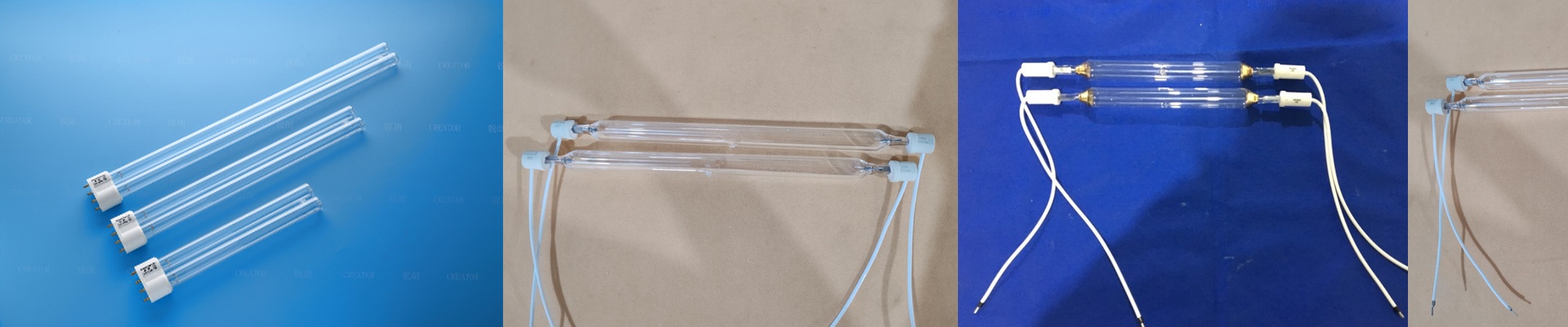
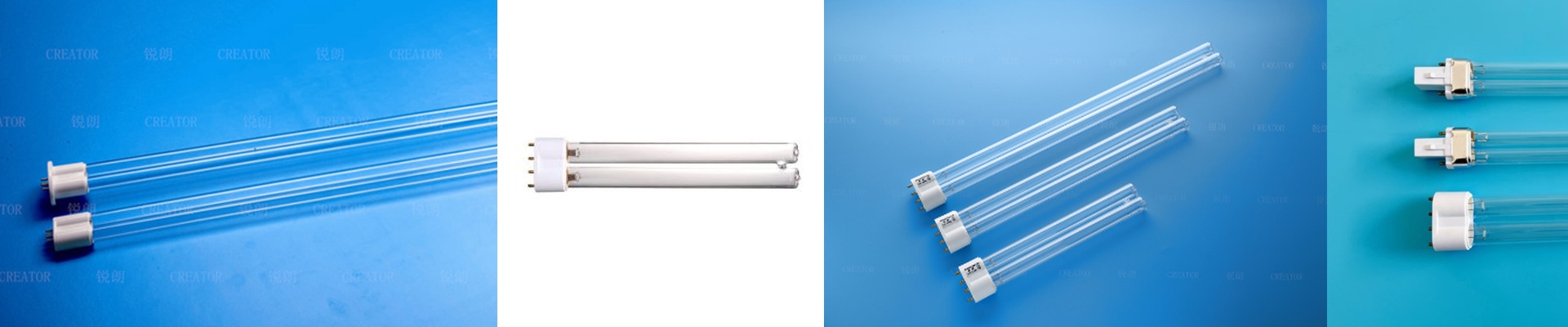
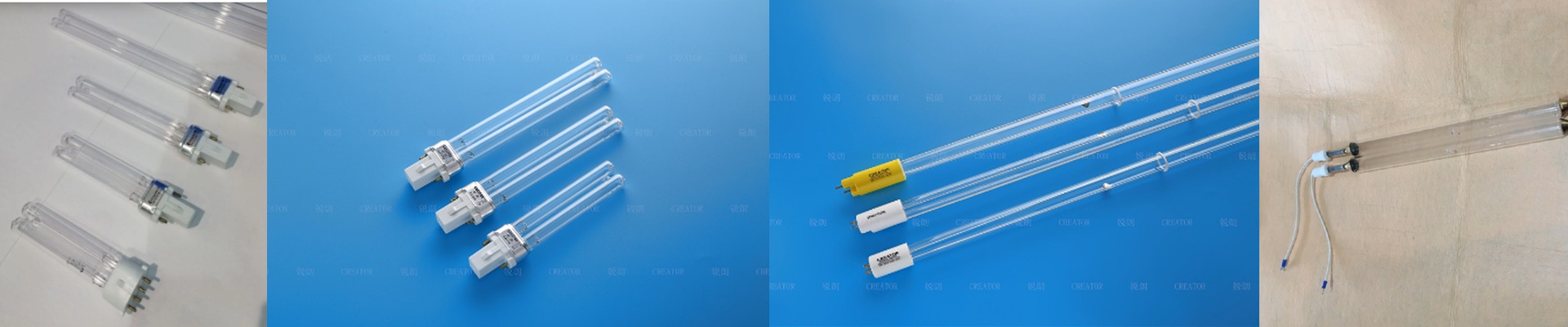
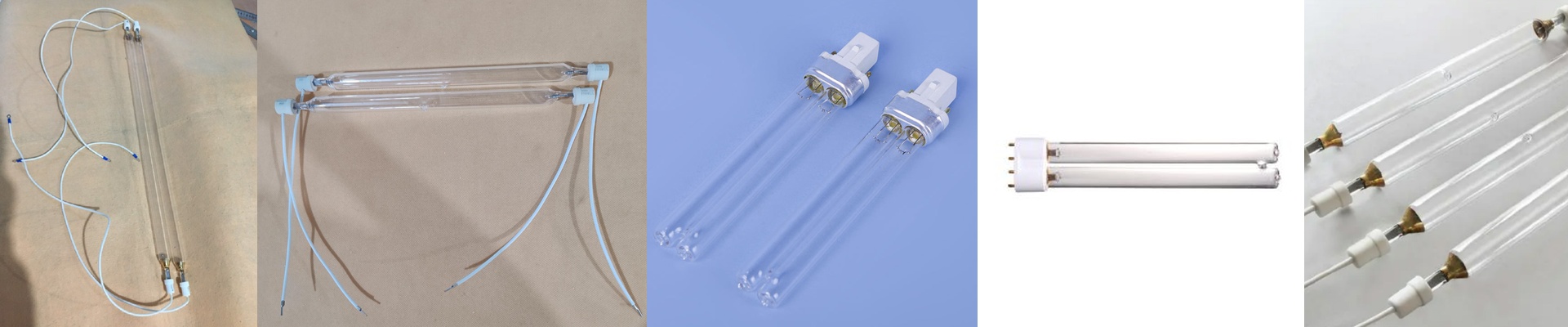
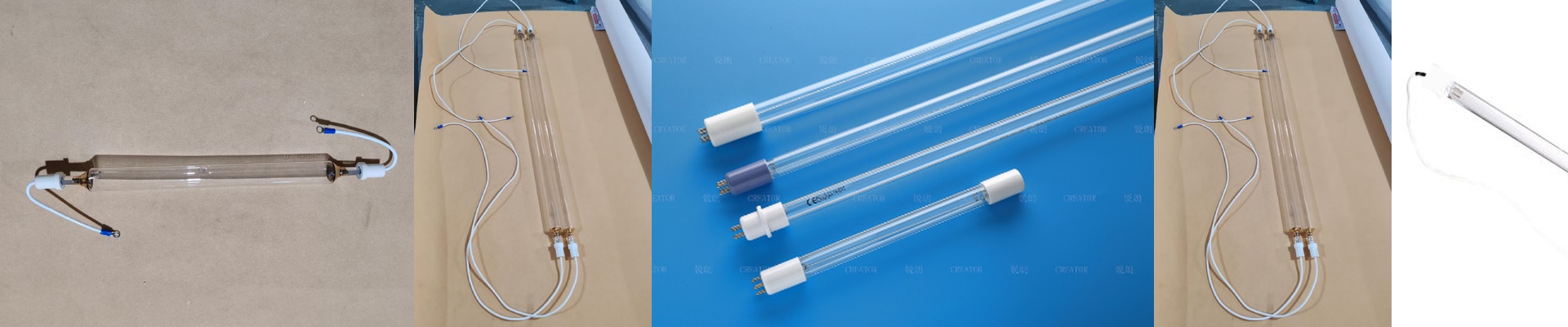
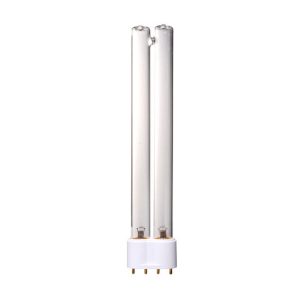
In water treatment, microbial control doesn’t play out over minutes—it happens in seconds. When flow rates jump and pathogen loads climb, the UV lamp has to deliver a lethal dose in a single pass. That’s exactly why we build UVC phototherapy lamps for flowing water: collapse microbial DNA on the fly, no chemicals, no residuals, no waiting. What matters under the hood We anchor these lamps at 254nm—peak germicidal output—because this is where the work gets done. It’s not enough to say “UV exposure.” It’s dose: irradiance times residence time. In the real world, that means holding high peak irradiance across the entire target plane, so even the fastest water gets enough fluence. We keep output stable by controlling arc behavior and electrode temperature, so spectral output stays consistent and power drift stays under control. The quartz sleeve is chosen for high UVC transmissivity, and the reflector geometry is tuned to keep the beam where it needs to be—on the water path, not wasted on the housing. Why it holds up in flowing water Disinfection falls apart when dose collapses, whether from flow surges or lamp output decay. Our UVC lamps deliver rapid, repeatable inactivation because the dose window stays wide and steady. You still get second-level kill even when throughput varies, because the system maintains the required fluence at the exposure point. The payoff is predictable microbial reduction, less chemical dosing, and fewer unplanned shutdowns. What you need to keep straight on the floor Installation has to respect hydraulics and UV transmission. If the sleeve fouls, lamp output drops—so watch fouling and keep water clarity consistent. These lamps also demand proper electrical grounding and solid thermal management. High intensity means heat, and heat will shorten lamp life if you don’t control it. Plan on routine output checks with a calibrated radiometer. That’s how you confirm you’re staying on the dose curve.