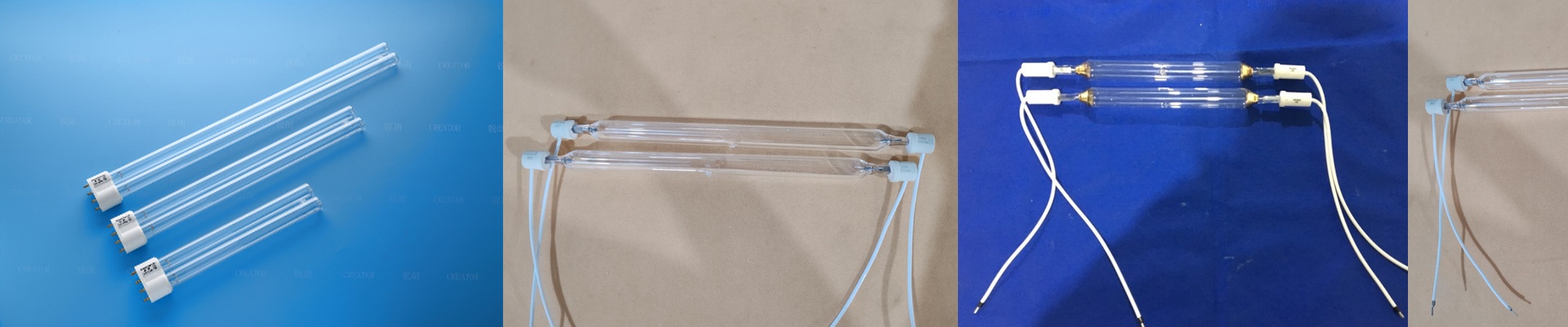
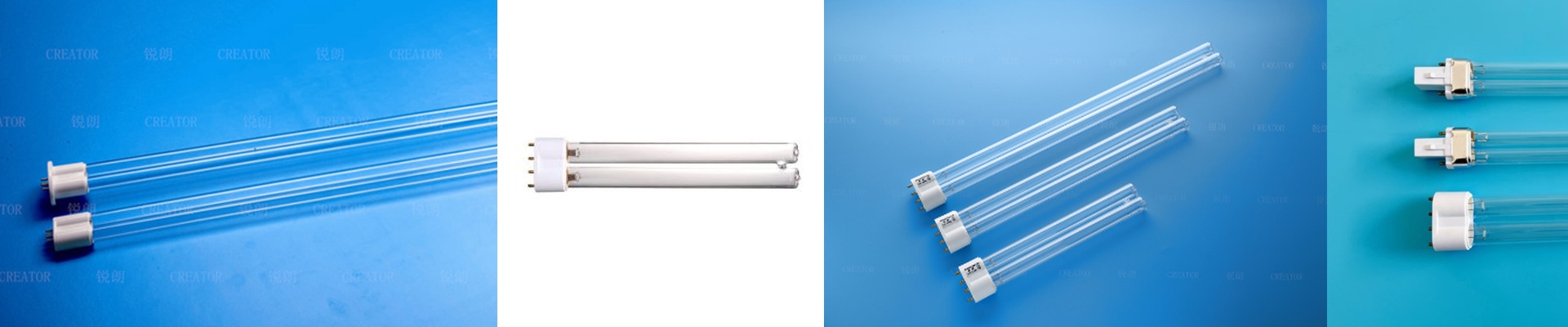
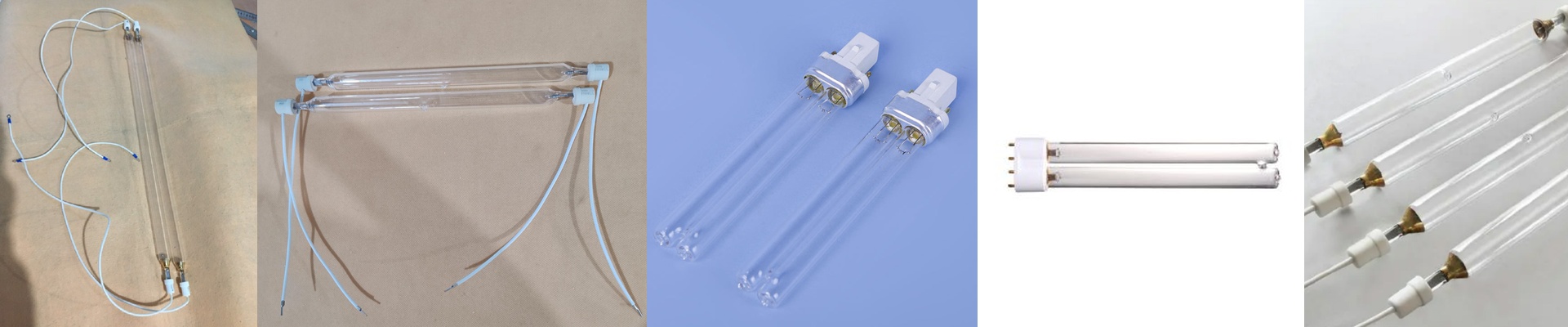
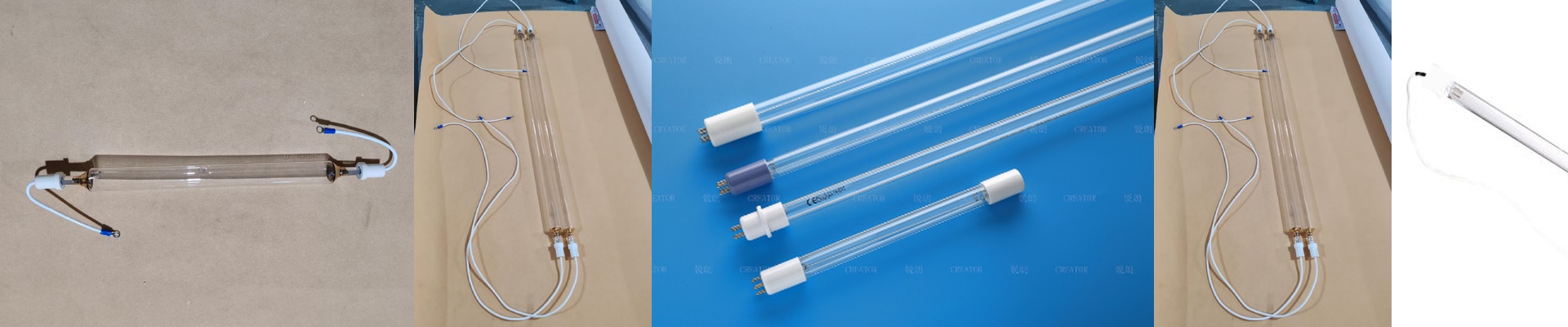
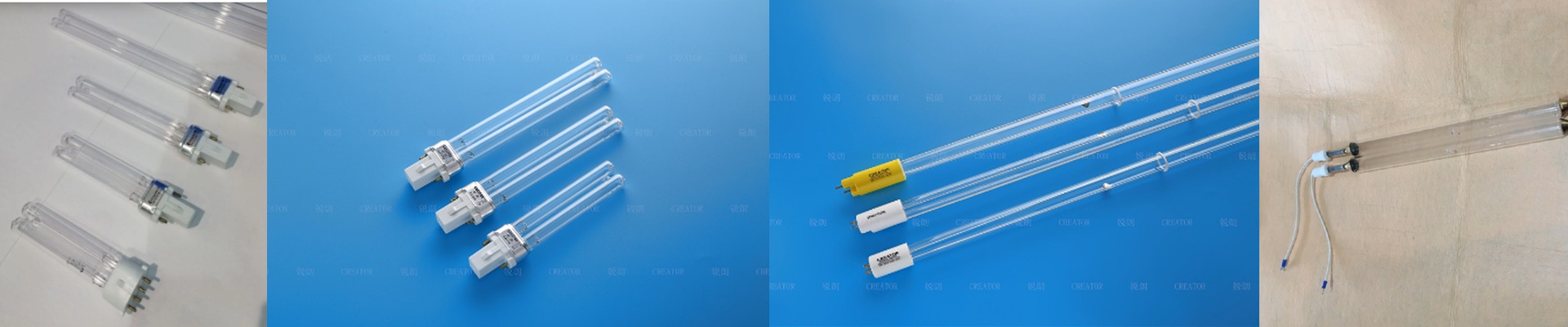
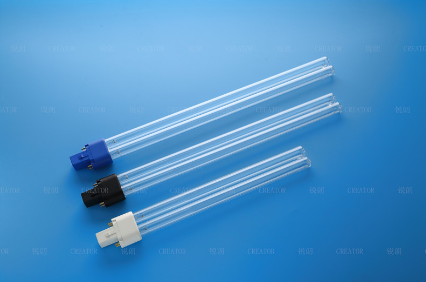
On a medical device line, a UV lamp isn’t just a consumable—it’s a process variable you have to control. One inconsistent cure cycle can leave adhesives under-crosslinked, coatings under-cured, and parts failing biocompatibility or functional tests. When your lamp supplier doesn’t own the core IP, you’re exposed in two ways: supply interruptions, and compliance or customs friction that can freeze shipments. A proprietary, patent-protected UV curing lamp gives you repeatable chemistry control and a defensible sourcing position.
What actually matters: power, spectral output, and curing energy
Medical-device UV curing runs on photoinitiator absorption, not on some generic “UV” label. The lamp has to deliver the right photon flux in the right spectral band, then turn that into stable energy density at the substrate. **Spectral output.**For a lot of adhesives and coatings used in medical assemblies, peak absorption sits around 365 nm. We match that with a high-purity mercury vapor discharge profile that makes 365 nm the dominant line, while keeping secondary lines in check to avoid extra heat. When a formulation is built for longer wavelengths, 385 nm and 405 nm options are available to align with the photoinitiator window and reduce surface-only curing. **Power density and irradiance.**Peak irradiance—measured in mW/cm² at a defined working distance—determines whether the reaction hits the required conversion at your line speed. A lamp can have high electrical input and still fall short if the reflector efficiency is weak or the arc is unstable, because delivered irradiance collapses at the cure plane. Our lamps are built around reflector geometry and dichroic coatings that concentrate output into the target band, so peak irradiance stays repeatable across the full arc length. **Cure dose and energy density.**In production, the number that matters is energy density in mJ/cm². Dose is irradiance times exposure time. Set conveyor speed, lamp power, and working distance, then verify with a spectral radiometer. With a stable spectral output curve and low drift, you can lock in a minimum dose window and keep it under statistical control. **Lamp life and output stability.**Mercury lamps age. Electrode erosion and fill degradation shift the spectral balance and cut irradiance. We define end-of-life by the point where output falls below the validated dose requirement, not by an arbitrary hour count. Units routinely run 5,000+ hours while keeping output within tight tolerance bands, but the only metric that counts is whether your dose stays in spec at the part surface. **Ozone and thermal management.**Medical devices often run in clean environments where ozone and excessive substrate heating are no-gos. Ozone-free operation comes from choosing fused quartz with the right cutoff and staying within controlled operating envelopes. Integrated thermal control—airflow and reflector design—reduces infrared load on the substrate, which protects temperature-sensitive materials.
Why this works in medical: IP, compliance, and risk control
Medical device production ships under pressure: strict quality systems, validated processes, and global supply chains. When the UV lamp becomes a single point of failure, the risk isn’t just downtime—it’s regulatory and trade exposure. **Proprietary design reduces supply disruption.**A lamp built on third-party IP can be pulled, restricted, or slowed by licensing disputes. With a proprietary, patent-protected design, we control the manufacturing path. You’re not dependent on a chain of licensing agreements that can change overnight. **Cleaner cross-border movement.**Customs and import compliance are increasingly focused on core technologies. Proprietary UV lamps with clear documentation—origin, specs, compliance—cut down ambiguity at the border. When the technology is owned and controlled, the paperwork is clean, consistent, and defensible. **Repeatable cure under validated conditions.**Medical processes are validated, not guessed at. A proprietary lamp platform gives you consistent arc geometry, repeatable spectral output, and predictable irradiance profiles. That makes dose verification straightforward: set your radiometer, run SPC, and lock the parameters. Fewer scrapped lots, fewer revalidations after lamp changes. **Operational gains that compound.**Stable output lets you run tighter dose windows, which often means higher line speeds without sacrificing adhesion or surface finish. Less drift means fewer tweaks after warm-up or during long runs. Energy use stays in line because electrical input is matched to the required irradiance, not overdriven to compensate for a weak reflector.
The practical details: integration, compatibility, and real-world constraints
A UV lamp isn’t a standalone part—it’s one piece of a system that includes the printer or dispenser, reflector assembly, power supply, cooling, and the substrate itself. **Printer and system compatibility.**The lamp has to match the curing station: physical envelope, mounting, electrical interface, and control signaling. Arc length, terminal style, and connector compatibility determine whether the lamp installs cleanly and aligns with the reflector. Before specifying, confirm the exact lamp footprint and electrical requirements of your equipment. **Substrate and chemistry fit.**UV-curable adhesives, coatings, and inks are tuned to specific wavelengths and dose levels. A lamp can look bright and still under-cure if the spectral output doesn’t match the photoinitiator absorption. Check the formulation’s recommended wavelength band and required energy density, then validate with your actual parts and line speed. **Cooling and operating environment.**You need adequate airflow to manage electrode temperature and reduce IR heating. Restricted airflow accelerates output degradation and can shorten lamp life. Keep the lamp environment clean and dry; particulate buildup on the quartz sleeve and reflector drops delivered irradiance fast. **One trade-off you need to plan for.**High-output mercury lamps deliver the irradiance required for high-speed curing, but they’re sensitive to thermal and electrical stability. If your power supply has significant ripple or voltage fluctuation, output consistency will drift. Either condition the power supply or choose a lamp system matched to the electrical profile you actually have. This is the most common constraint in retrofits, and it only gets solved when you address it upfront. If your medical device production depends on UV curing, the lamp should be engineered as deliberately as the parts it assembles. Proprietary patent technology gives you control over the process—and control over the supply risk that comes with global trade.