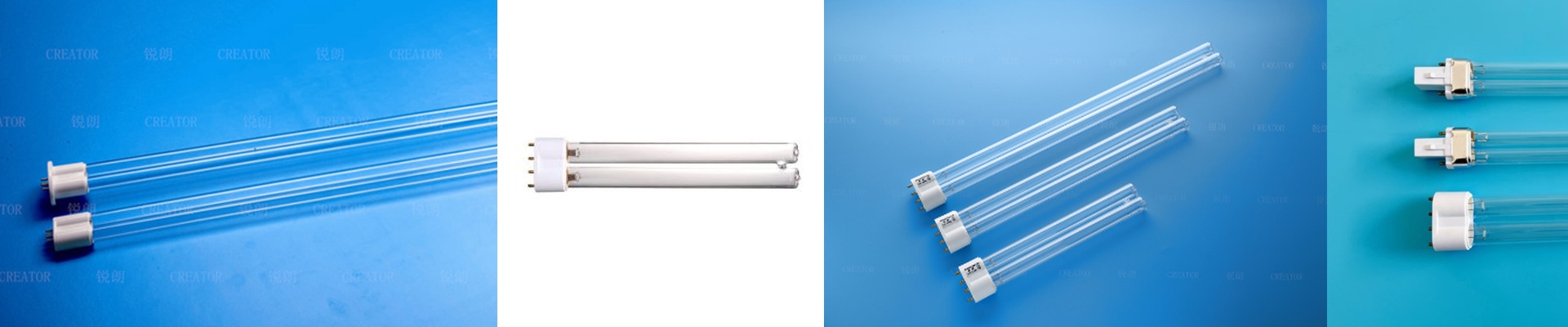
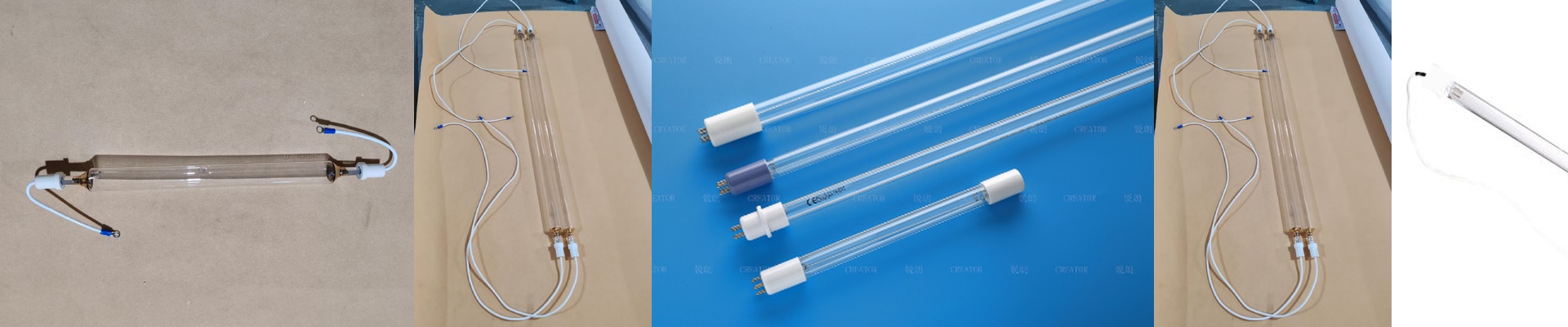
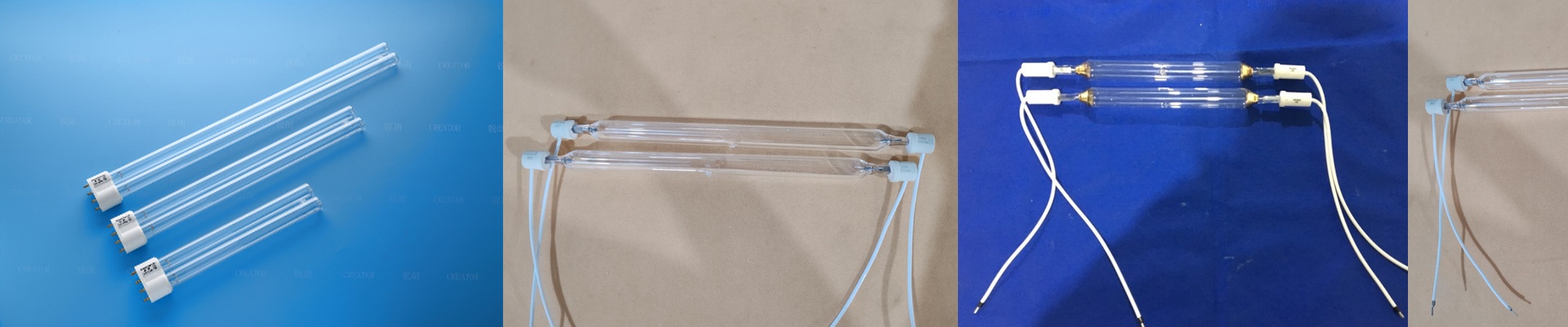
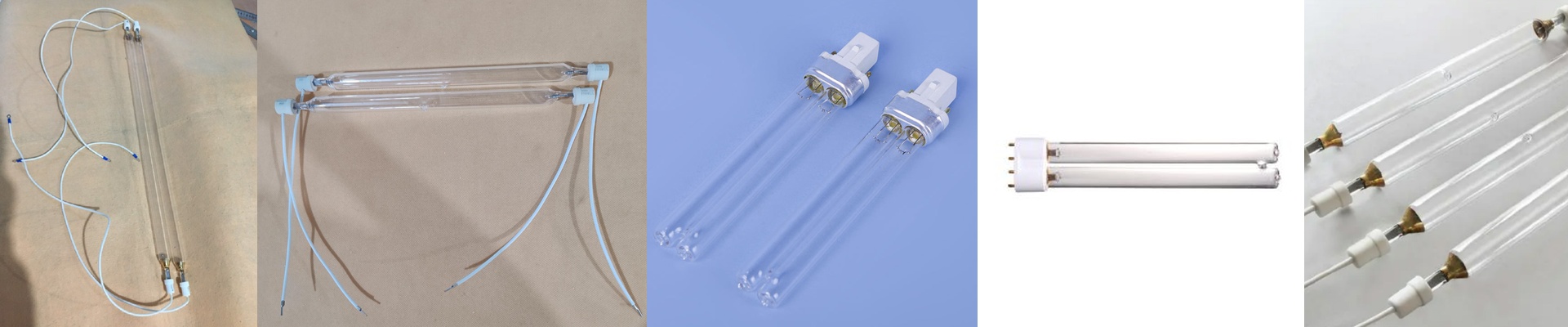
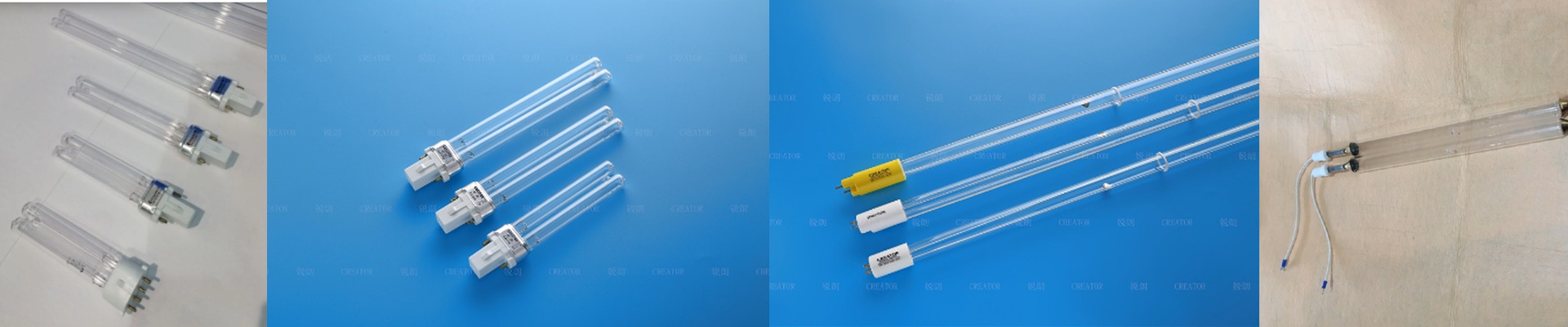
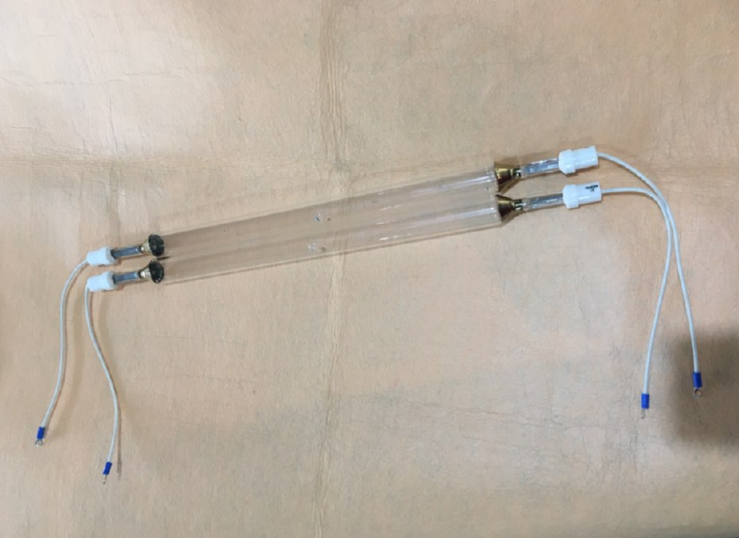
On the floor, the real constraint isn’t space—it’s dwell time under the lamp. When your press footprint is fixed, the only way to pick up speed is to push peak irradiance without letting cure temperature get away from you. That’s exactly where an amalgam UV germicidal lamp module earns its keep. What matters, technically Amalgam lamps keep output steady by controlling mercury vapor pressure with a proprietary alloy, so arc stability holds across duty cycles. Our module is tuned to a spectral output centered at 365 nm, right where most photoinitiators in UV offset, flexo, and screen inks absorb. You’re looking at ≥12 W/cm² peak irradiance at the reflector exit, and a deliverable energy density of 800–1200 mJ/cm² in typical 300 mm/s web passes. The reflectors use dichroic coatings to pass IR and bounce UV back where it needs to go—less substrate heating, more uniform cross-linking. Lamp life is rated 5,000+ hours with <5% output decay, and the ozone-free quartz envelope keeps ventilation simple. Why it fits the job Swapping in this amalgam UV module is a plug-in refit: same lamp compartment, same connectors, same coolant routing. With more UV flux, you need less exposure dose, so you can bump web speed up to 30% without adding a second cure station. The payoff is faster job changeover, higher throughput, and consistent cure across the sheet—even on thick ink laydowns. Power draw goes up modestly, but the cure window opens up, so you can run faster without chasing marginal cure. Here’s what to watch for Amalgam lamps run hotter and hit higher power density, so verify the existing cooling and shutter interlock: water flow, temperature interlock, and lamp ignition timing all have to match the module. Make sure the spectrum lines up with your ink chemistry—shifts to 385 nm or 405 nm will change cure response. And during PM, plan reflector inspection and check lamp orientation; even a little misalignment skews dose and can give you pinholes.