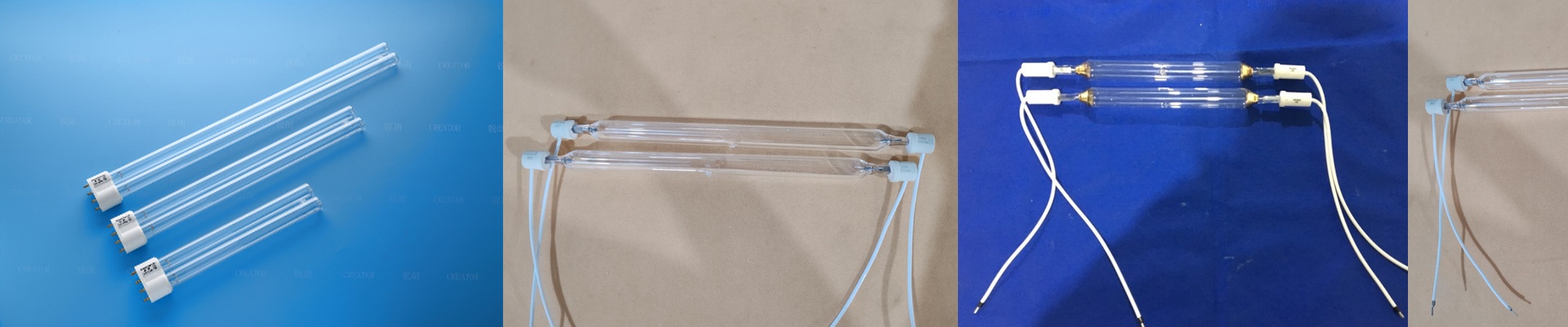
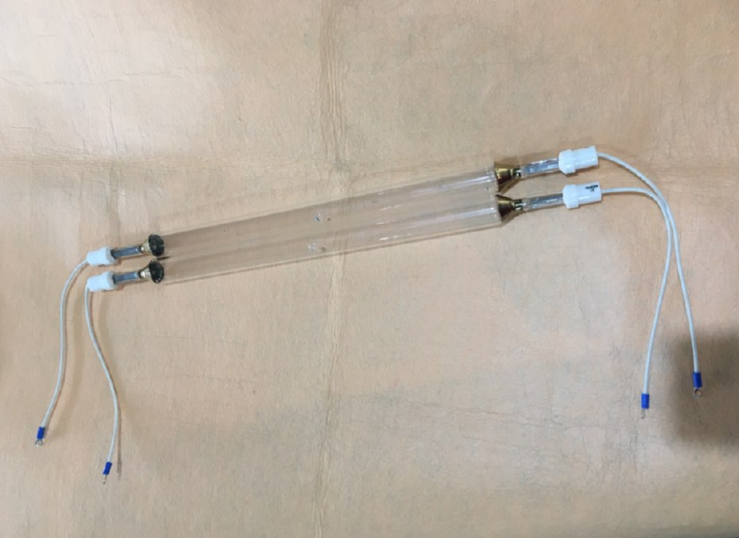
On the floor, when thick prints on shoe uppers fall apart, the ink usually isn’t the problem. It’s the cure. You lay down a 3–5 mm build of plastisol or UV-curable thick paste, hit it with a lamp that looks bright, then find uncured material sitting at the base. The payoff is predictable: adhesion loss, cracking at stress points, and VOC off-gassing that drags your line speed down. High penetration isn’t a buzzword. It’s the physics of getting photons deep enough to drive full cross-linking from the substrate interface all the way to the top surface. In footwear graphics, that depth isn’t optional.
What actually matters: penetration, energy, and spectral match
Thick-layer UV curing is a volume problem, not a surface shine. You need photons to reach the bottom layer with enough fluence to trigger the photoinitiators, and you need enough peak irradiance to push through the ink’s absorption and scattering.
Spectral output and photoinitiator activation
Thick prints often run formulations tuned to 365 nm and 385 nm, with 395–405 nm helping the top surface through-cure. A lamp that “looks blue” doesn’t guarantee the right emission band. If your ink chemistry peaks at 365 nm, a 405 nm-dominant lamp can leave the bottom layer under-exposed—even when the top skins fast. We talk about lamps by dominant wavelength and spectral profile, not color. For thick builds, 365 nm tends to give deeper penetration in many pigmented systems, while 385 nm can strike a better balance between depth and surface cure. The call comes down to the photoinitiator package, pigment loading, and the thickness you actually run—not the number you wish you were hitting.
Energy density and peak irradiance
Cure comes down to delivered energy density (mJ/cm²) at depth, and peak irradiance (W/cm²) is what lets you hit that without trapping uncured material. Thick layers demand higher peak irradiance to fight the inverse-square effect and make up for absorption. If your lamp’s peak irradiance is too low, you can compensate by slowing the line—but throughput drops and you risk overheating the substrate. Give yourself enough irradiance, and you can keep belt speed up while still hitting the required energy density at the bottom of the deposit.
Reflector efficiency and optical density
High penetration needs a reflector system that concentrates usable UV onto the print, not a wide dispersion that dumps power onto the frame and the air. Elliptical reflectors with high-reflectivity dichroic coatings keep the beam tight and raise the optical density at the target. Why it matters: thick prints create a “shadow” effect—the top layer absorbs and scatters light. A focused, high-intensity beam pushes more photons through that layer, which increases the odds of curing the bottom.
Lamp power, stability, and duty cycle
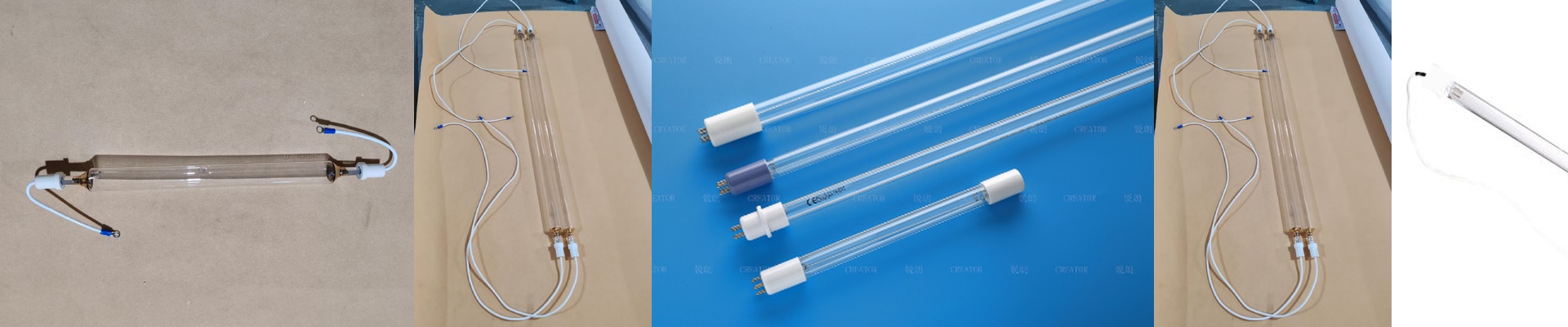
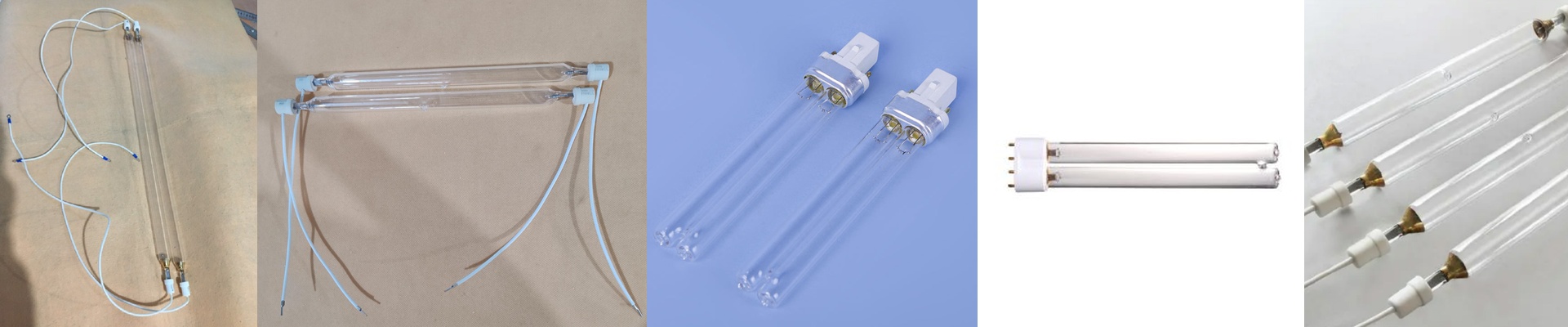
Thick prints demand stable output over long runs. Mercury vapor lamps are specified by power density per unit length (W/cm), and that power density directly shapes the irradiance available at the substrate. For industrial footwear graphics, we match lamp power to print width and required energy density, not to some generic “UV lamp size.” Stability comes down to output ripple and warm-up behavior. If lamp output drifts mid-run, your bottom-cure margin disappears and adhesion starts to wander.
Lamp life and output degradation
UV lamps don’t stay young. Mercury vapor lamps decline over time, and the degradation curve varies by design. A lamp starting at 100% output can drop around 20% by the end of its rated life—and that drop can be enough to push thick-layer cure below the threshold. We design for the known degradation curve and plan around it. That means setting a preventative replacement interval based on measured output, not gut feeling, so bottom-layer cure stays in spec.
Why this is non-negotiable in thick-layer footwear graphics
Footwear printing is thick by nature. Whether it’s a high-build logo on a sneaker vamp or a textured graphic on a boot upper, you’re often dealing with deposits of 3 mm or more. The failure mode is always the same: the top cures, the bottom doesn’t.
What happens without high penetration
- The bottom layer stays uncured, so the print delaminates when it flexes.
- Trapped monomers migrate, leaving odor and surface tack.
- Pigment-rich zones cure unevenly, and you get color shift plus weak durability. These defects don’t show up as occasional anomalies. They show up as scrap rates and returns after the shoe hits the street.
What high penetration delivers
A high-penetration UV system delivers enough energy density through the full build height to drive complete cross-linking, not just surface skinning. The shop-floor gains are measurable:
- Less scrap from under-cure at the base of thick builds.
- More consistent adhesion run after run, because energy delivery stays stable.
- Higher line speed without sacrificing cure depth, since peak irradiance supports faster throughput.
Matching UV to the process: offset, flexo, and screen
Different printing processes lay down different thickness profiles, so the curing demands change. UV offsettypically runs thinner films, but footwear jobs often add thick varnishes or specialty coats. Here, uniformity across the sheet and stable output over long runs matter most. The lamp has to deliver consistent irradiance across the full width, and the spectral output needs to match the coating’s photoinitiator response. UV flexoruns fast and lays down a controlled film thickness. Thick footwear graphics still need penetration, but the lamp also has to keep up with high belt speeds. That means higher peak irradiance and a reflector design that keeps the dose profile tight where the dwell happens. UV screenis where thick prints live. Screen can deposit heavy builds in one pass, and that’s where penetration becomes the bottleneck. A screen line needs lamp power and spectral output matched to the thick layer, not to a thin ink film. Under-specified lamps force you to slow down—and even then the bottom layer can still be marginal. In practice, we size lamps and reflectors per process:
- For screen thick builds, we prioritize 365/385 nm penetration and higher power density.
- For flexo, we balance speed with cure depth and make sure the dose window matches press speed.
- For offset, we focus on uniformity and long-term stability, especially when running coatings over graphics.
The shop details: installation, compatibility, and operating constraints
High-penetration UV curing is straightforward when engineered right, but it punishes lazy assumptions.
Match the lamp to the curing chamber
Not every curing chamber has the same reflector geometry, cooling, or dwell distance. If the reflector is wrong for the lamp, irradiance drops—and penetration collapses. We spec lamps based on the chamber’s optical design and the dose profile required at the substrate plane.
Substrate heat and thermal limits
High irradiance delivers energy, and some of that becomes heat. Thick prints on heat-sensitive substrates can warp if the thermal load isn’t managed. Cooling—airflow and sometimes water-cooled reflectors—has to be sized so the substrate stays within its thermal tolerance while you still deliver the required UV dose.
Ozone management
Mercury vapor lamps can generate ozone, especially when the envelope runs hot and ventilation is undersized. Ozone is a health and compliance issue, and it can attack elastomers and adhesives on footwear components. We use ozone-free or low-ozone lamp designs and make sure extraction is matched to lamp envelope temperature and operating pressure.
Electrical and connector compatibility
Lamps aren’t universal. Footwear lines run different ballasts, igniters, and connector standards. A lamp that fits physically may not ignite reliably, or it may run outside its rated current and lose output early. We verify voltage, current, ignition method, and connector type against the existing system.
The real trade-off: dwell time versus line speed
Thick layers need energy, and energy takes time. If you increase line speed without increasing irradiance, dwell drops and you risk under-cure at depth. If you increase irradiance, you can maintain speed and still cure deep—but higher irradiance raises thermal load and may demand more cooling. You can’t cheat physics. The fix is matching lamp power, reflector efficiency, and cooling to the speed you actually want to run. If your footwear graphics are failing at the bottom of thick builds, more ink, more heat, or more hope won’t solve it. What solves it is penetration—delivered as real spectral output, peak irradiance, and stable energy density. Spec the lamp to the chemistry, the thickness, and the process. Then measure dose at depth and run the line at the speed the cure can support.