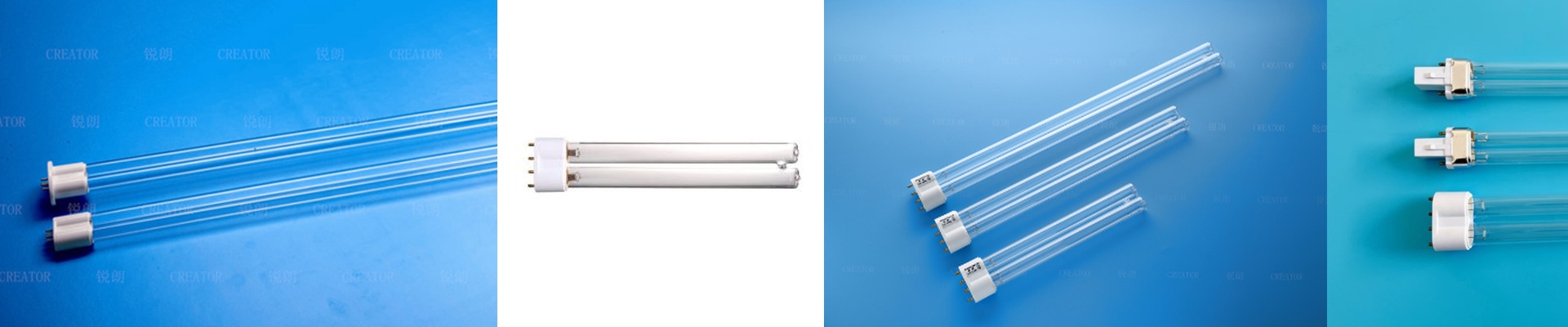
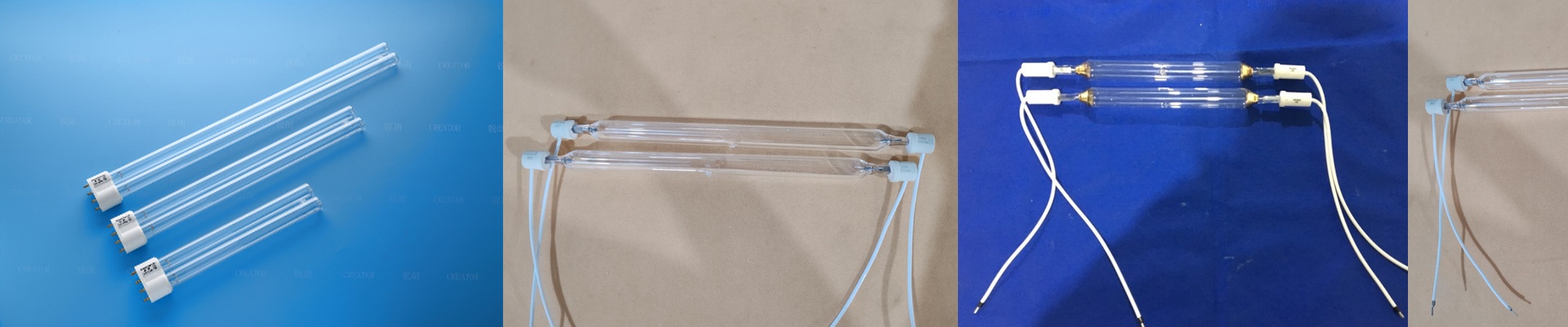
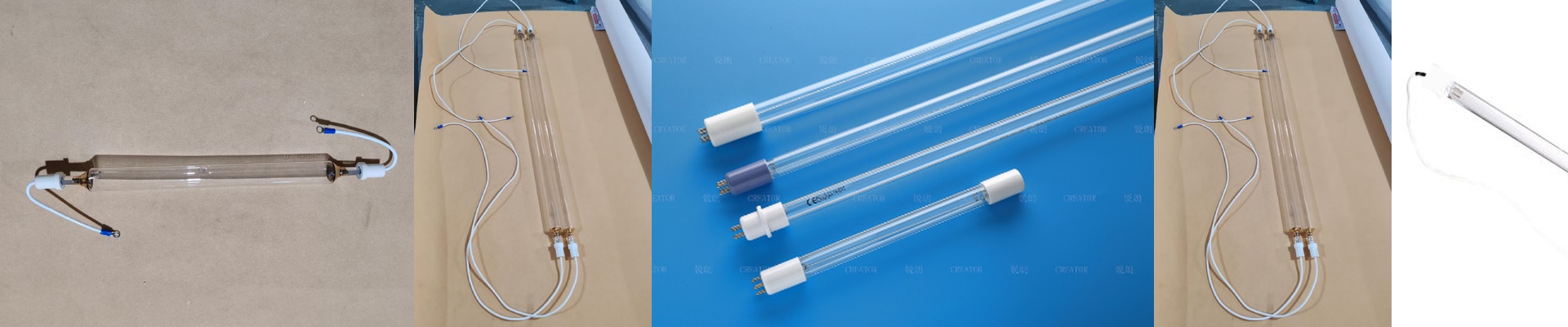
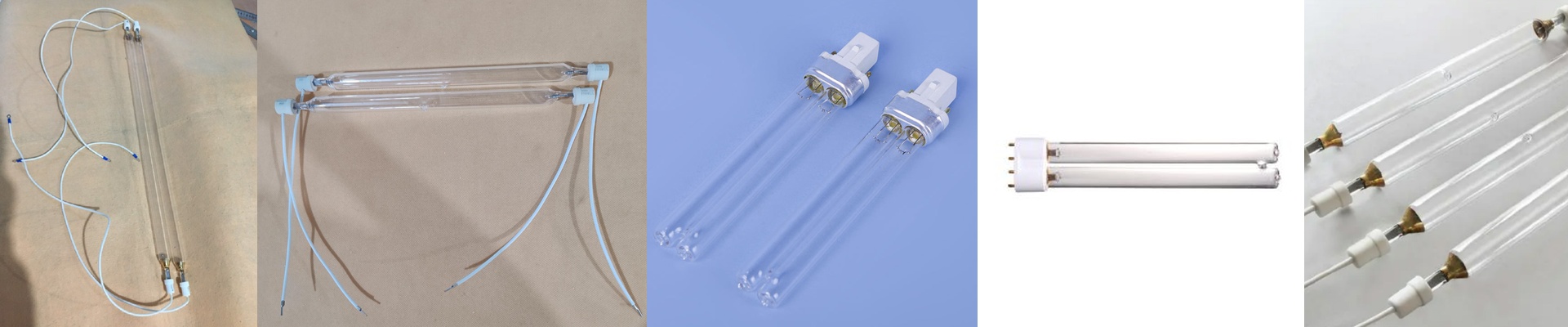
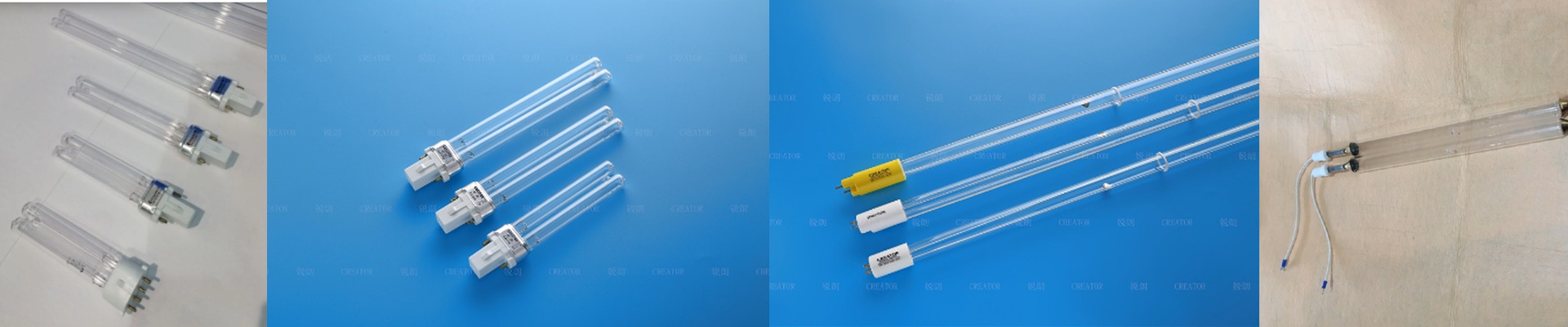
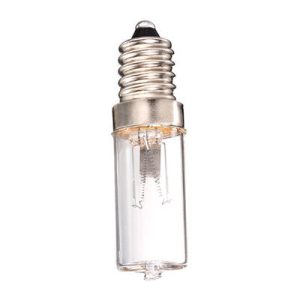
On an air purification line, microbial cross-contamination isn’t a hypothetical risk—it’s what keeps you awake at night. The UVC lamp is your last line of defense, and the spectral output has to be spot-on. Standard lamps can drift, and when the dose isn’t consistent, you either throttle the line speed or start writing off rejects.
What actually matters under the hood
We built this Gallium UV lamp around a gallium-doped mercury vapor fill. The payoff is a dominant 254nm germicidal line with tight spectral control and minimal output drift. That chemistry gives you high photon flux right at the absorption peak of microbial DNA, so you can kill fast—at lower dwell times. Compared with conventional low-pressure mercury lamps, the gallium formulation improves arc stability. In practice, that means repeatable irradiance across the target surface, shift after shift. We designed the lamp to sustain output for 9,000 hours, with end-of-life depreciation managed so dose consistency doesn’t collapse.
Why this works in air purification assemblies
Air purifiers pack tight chambers, and you still need a lethal dose against bacteria and viruses. The Gallium UVC lamp’s compact envelope and focused output give you higher intensity where space is the bottleneck. That lets you shorten exposure cycles without pushing airflow harder. So you get faster throughput, predictable kill rates, and fewer quality escapes. You also save energy, because the system hits the required microbial reduction at lower power settings. Fewer lamp changes mean fewer maintenance windows, too.
The shop-floor details you can’t skip
Installation geometry makes or breaks it. Reflector alignment and lamp-to-target distance have to be held to tolerance—otherwise, uniform irradiance goes sideways. These lamps run hot. You need real airflow and thermal management to protect the fixture and keep output stable. Check electrical compatibility with your ballast, and confirm ozone-free operation if the chamber materials are sensitive. When the lamp is matched to the right system, you’re not just talking performance—you can measure it with a radiometer.