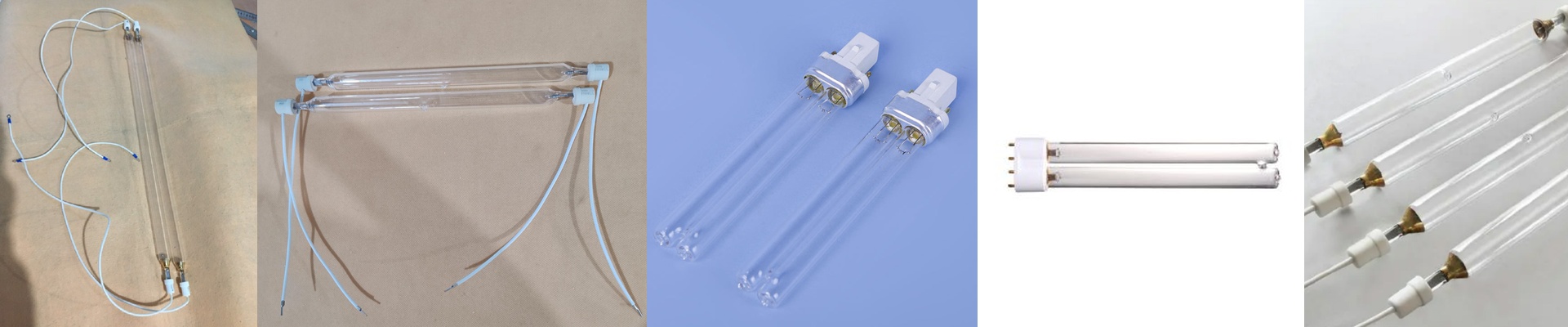
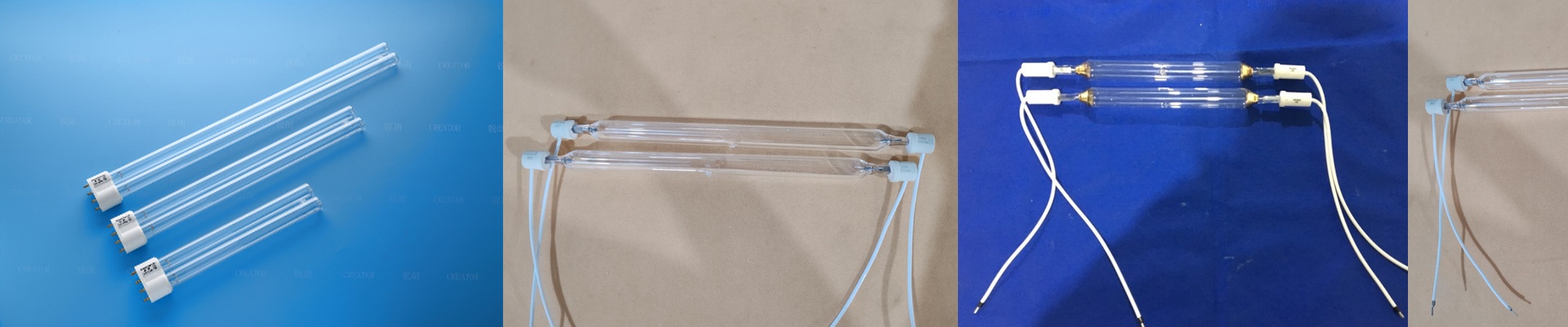
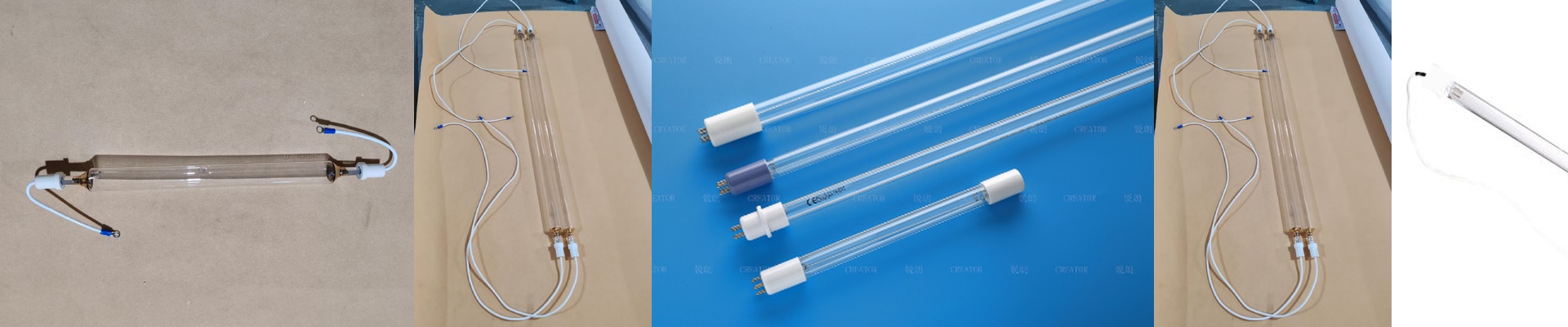
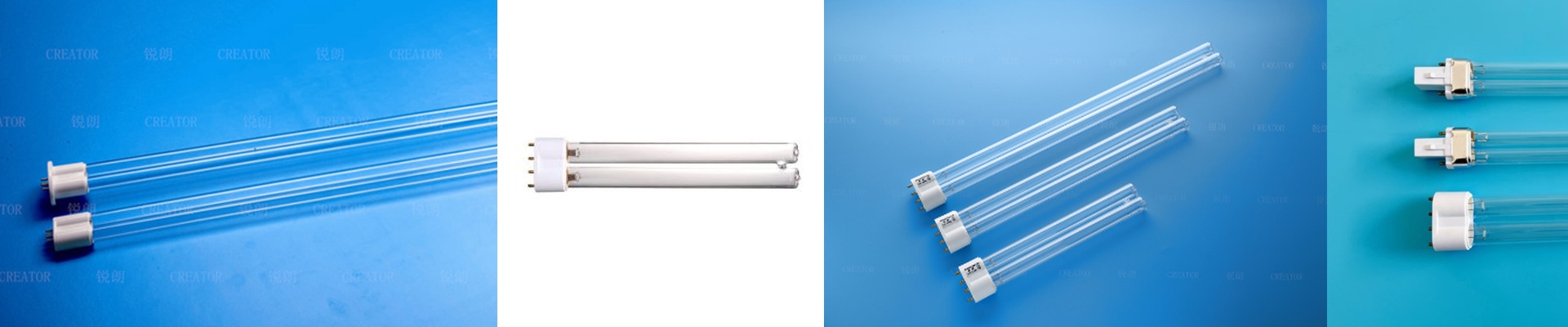
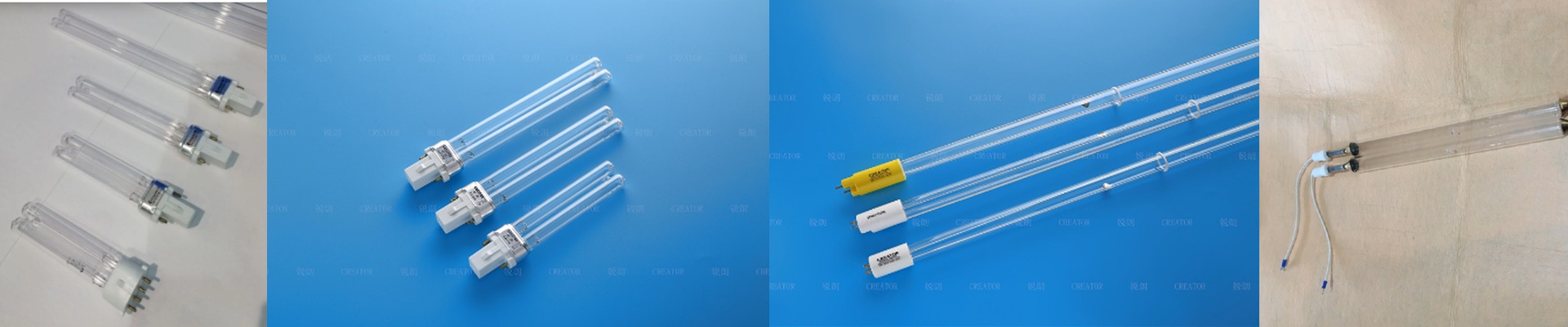
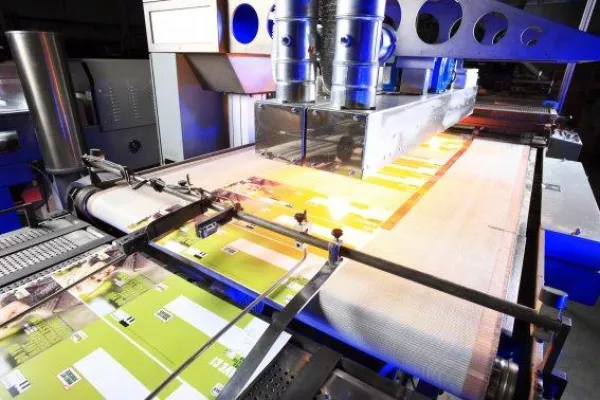
Out on the press floor, you know the drill. Thick screen or flexo deposits look fine on top, but the bottom stays soft. Surface tack hides incomplete cross-linking, and the job comes back as scrap—or worse, rework. In these stacks, penetration isn’t a luxury. It’s the bare minimum. You have to cure all the way through. What matters under the hood Nordson UV lamp parts are built around high-pressure mercury vapor lamps that are engineered for deep UV delivery. The spectral output leans hard on 365nm, the wavelength that does the heavy lifting for photoinitiator activation in thick formulations, while still keeping enough punch in the 385–405nm range to finish the cure. Peak irradiance at the substrate has to clear the ink’s initiation threshold, and the reflector’s dichroic coating keeps heat moving forward and spectral losses down. We set these components up to deliver stable curing energy density, so the bottom layer gets the same photon flux as the top. Here’s the point: thick-layer printing needs penetration, not just peak power on paper. With the right lamp parts, the beam profile reaches the base of the deposit and drives cross-linking from the substrate interface upward. The payoff is full cure through the stack, higher line speeds without giving up depth, and adhesion that stays consistent. Energy use drops because the system cures in one pass, and you stretch lamp replacement intervals since output stays stable across the life window. A couple things to keep straight. High penetration means matching lamp output to your ink chemistry and substrate. Thicker deposits often demand higher peak irradiance, and reflector geometry has to line up with the print profile. Double-check arc length, watt density, and connector compatibility with your Nordson UV curing station—mismatched parts cut through-cure and shorten lamp life.