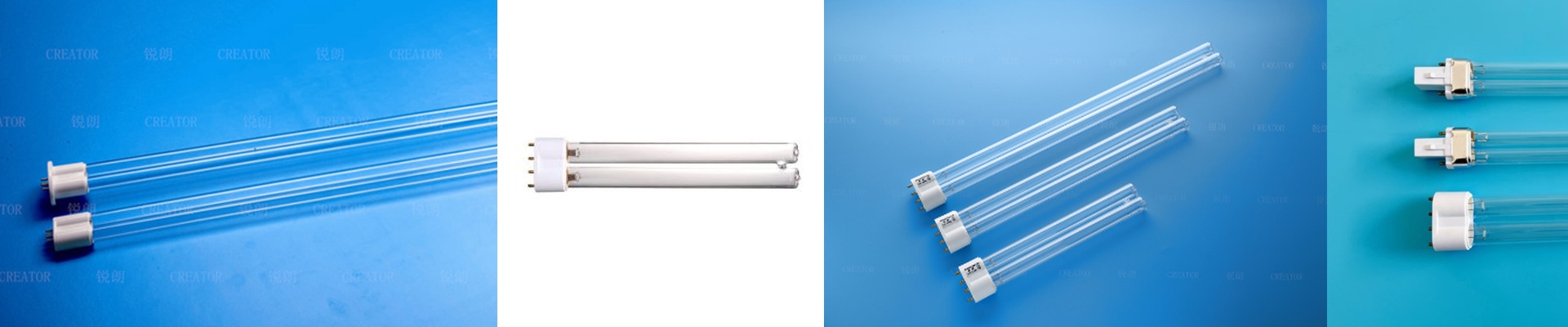
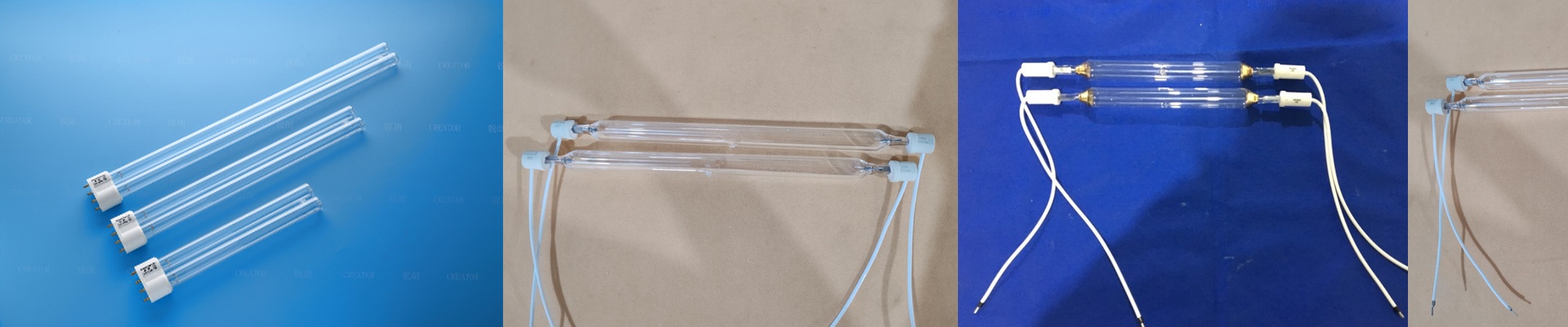
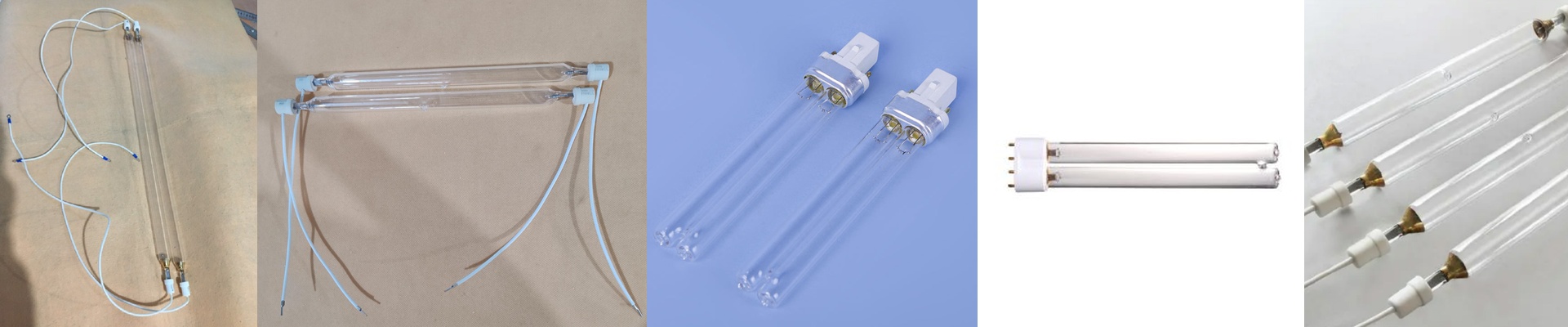
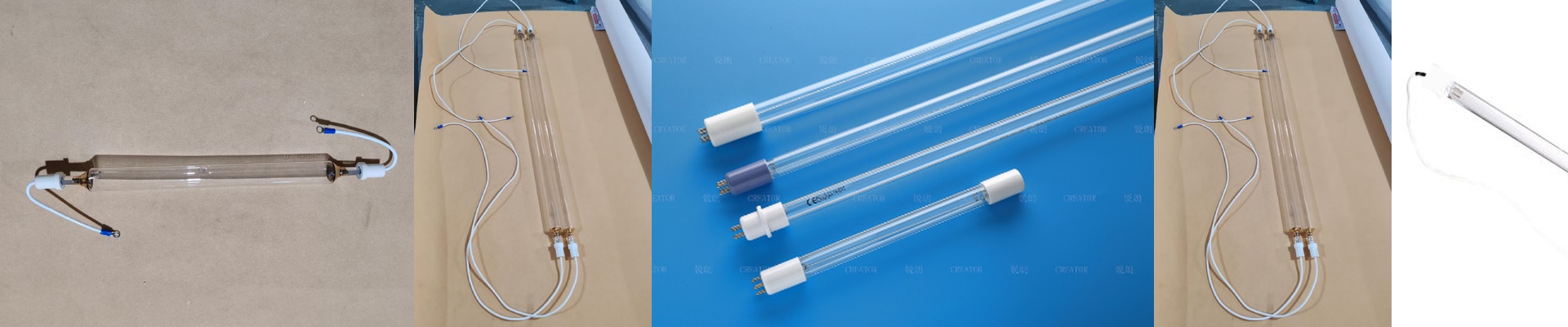
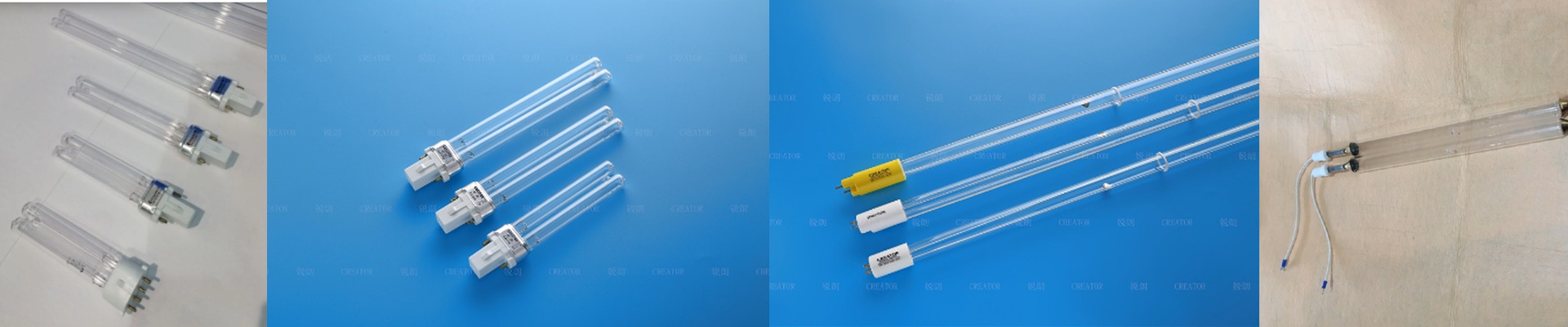

On the floor, a coating cures at the speed of the lamp. If the lamp lags, the line crawls, the coat stays tacky, and you spend the rest of the week fixing callbacks. The problem usually isn’t the ink or resin. It’s the lamp—specifically, the quartz and the spectral energy that actually reaches the substrate.
Power, spectrum, and what gets delivered
We build UV curing lamps for floor coatings around a high-pressure mercury vapor discharge, tuned to hold output steady across the broad UVA/UVB band. Peak irradiance at the substrate has to clear the resin’s photoinitiator threshold, and the delivered energy density (mJ/cm²) has to be enough to drive cross-linking through the full film thickness. The quartz envelope is the limiting factor. Use 99.99% purity quartz and you cut solarization and keep UV transmission clean, so the lamp holds output over thousands of hours. You want consistent spectral output, lamp-to-lamp repeatability, and a reflector profile that puts usable UV where it matters—right on the cure plane.
Why this works for floor coatings
Floor coatings are typically high-solids, pigmented, and laid down thick. They need deep penetration and full cross-linking, not just a surface skin. The broad spectrum and peak irradiance of these lamps activate photoinitiators throughout the coat, which reduces uncured residues and improves hardness development. The payoff is faster line speeds, fewer rejects, and cure that stays stable shift after shift. We’ve got units running 5,000+ hours with less than 5% output drop, as long as you keep reflectors maintained and the mains voltage stable.
Installation, compatibility, and the operating realities
These lamps are not universal plug-and-play. Match arc length, base type, and electrical interface to the existing UV system, and make sure the ballast and igniter are compatible with high-pressure mercury operation. Output is sensitive to cooling—keep airflow consistent to avoid hot spots and premature stress on the envelope. Build in reflector cleaning and periodic spectral checks. Dust and solvent residue on the reflector will cut delivered energy long before the lamp hits end-of-life. And because output tracks the mains, stabilize line voltage if you want repeatable cure.