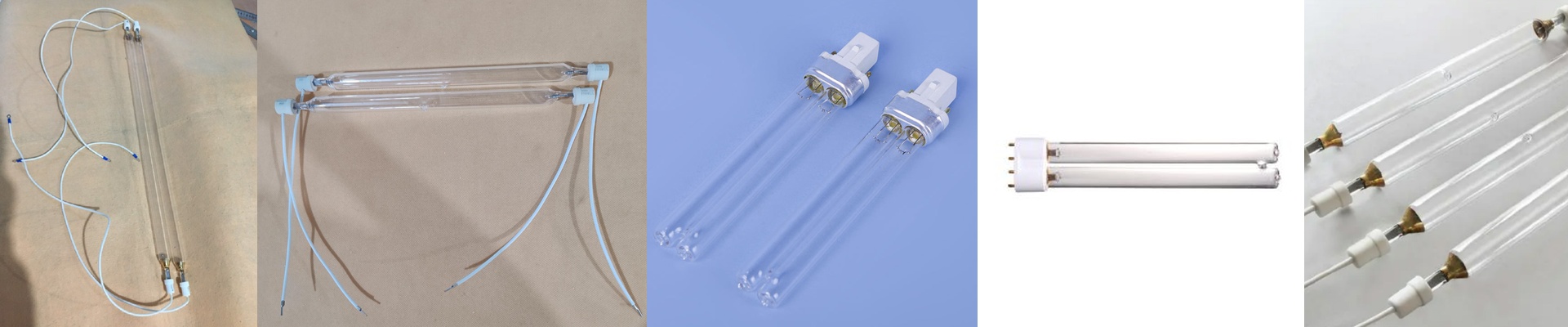
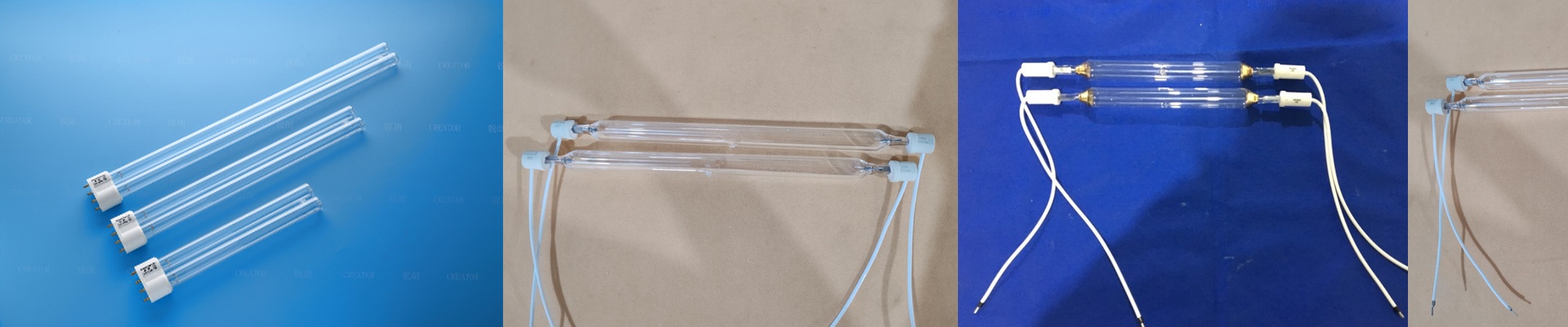
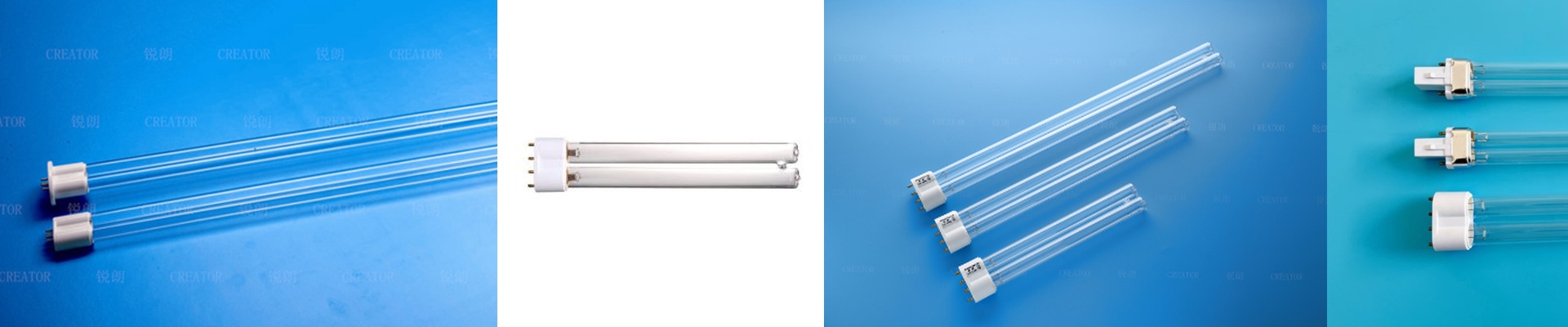
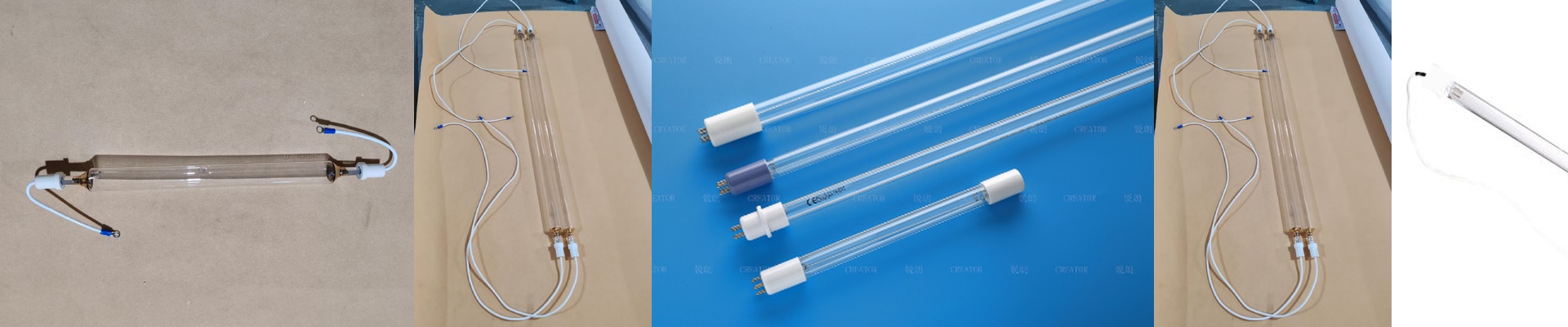
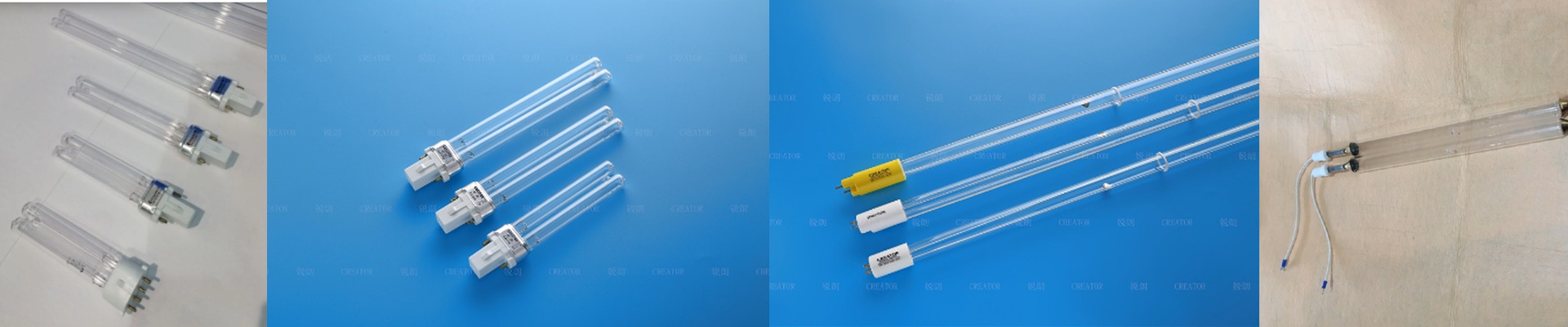
On the press, every watt has to turn into cured ink, not wasted heat. When the reflector geometry can’t focus the lamp’s spectral output, you lose irradiance at the substrate. The payback is immediate: slower line speeds, incomplete cross-linking, and adhesion that falls apart. Fix the light path, and the rest starts to behave. What actually drives UV cure UV curing comes down to peak irradiance and delivered energy density. A high-pressure mercury vapor lamp hits 365 nm, 385 nm, and 405 nm, and the photoinitiators in offset, flexo, and screen inks are tuned to that profile. A reflector cut with precision elliptical contours and a dichroic coating throws the target wavelengths back onto the substrate while rejecting IR. That concentrates the beam and boosts photon flux per unit area. But the lamp’s spectral output only stays stable when the arc stays at the designed temperature. That’s where the UV lamp cooling fan system does its real work. It pulls away convective and radiant heat before thermal runaway can shift arc impedance and flatten the irradiance curve. Why it holds together in practice Reflector geometry and active cooling are a team. Better optics raise effective photon density at the substrate, so the same lamp delivers higher curing energy density at the same line speed. The cooling fan holds junction temperature, which keeps the 5–7% per 10 °C degradation from eating lamp life. On the floor, you see it as consistent mJ/cm² across the web, fewer hot spots, and less spectral drift. Over the life cycle, that means fewer lamp swaps, lower energy draw per cured meter, and press performance that stays predictable. What to watch on install and maintenance Reflector efficiency is picky about alignment. Set focal distance and lamp position exactly to the fixture map. The cooling fan has to match airflow, static pressure, and the duct routing in the lamp housing. Undersize it, and you get thermal drift. Oversize it, and you can shake the lamp arc into instability. Check electrical compatibility and connector type, and make sure the system is rated for ozone-free operation if your chamber design is tight on ventilation.