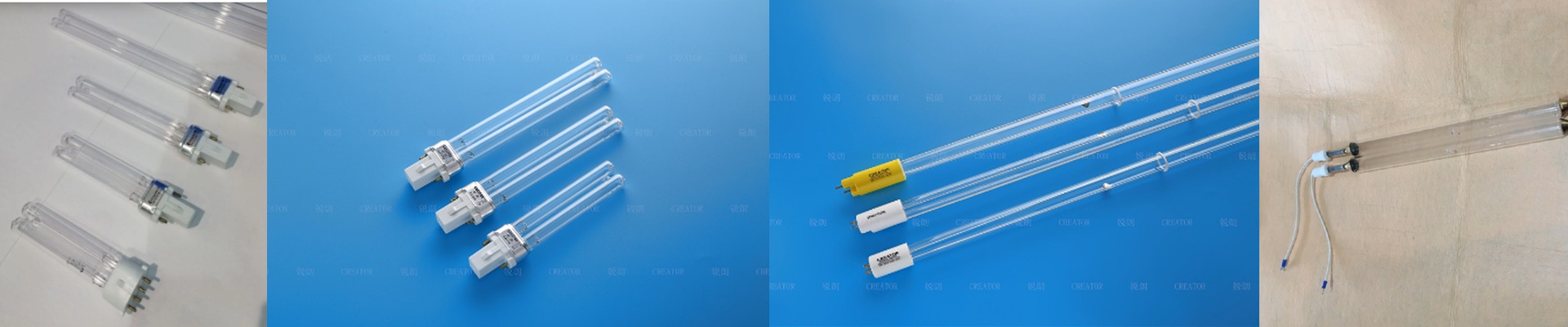
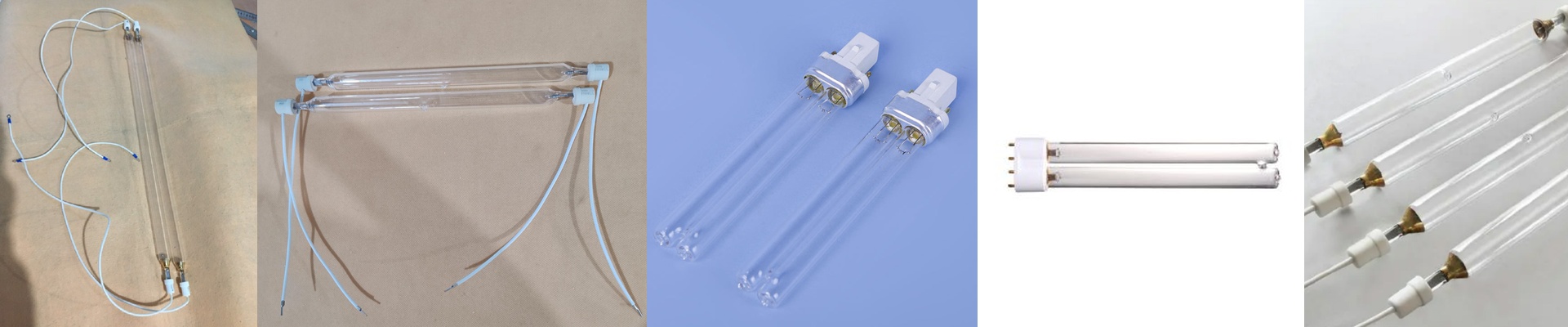
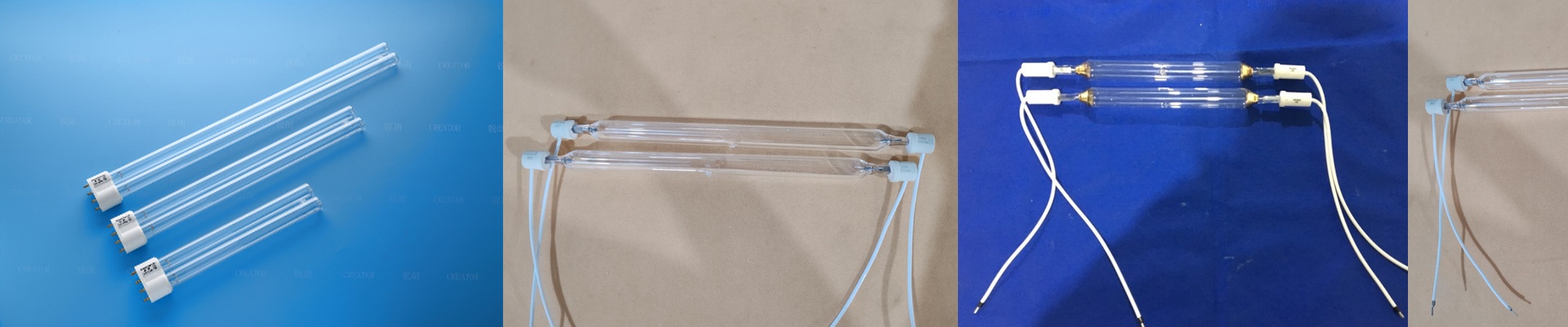
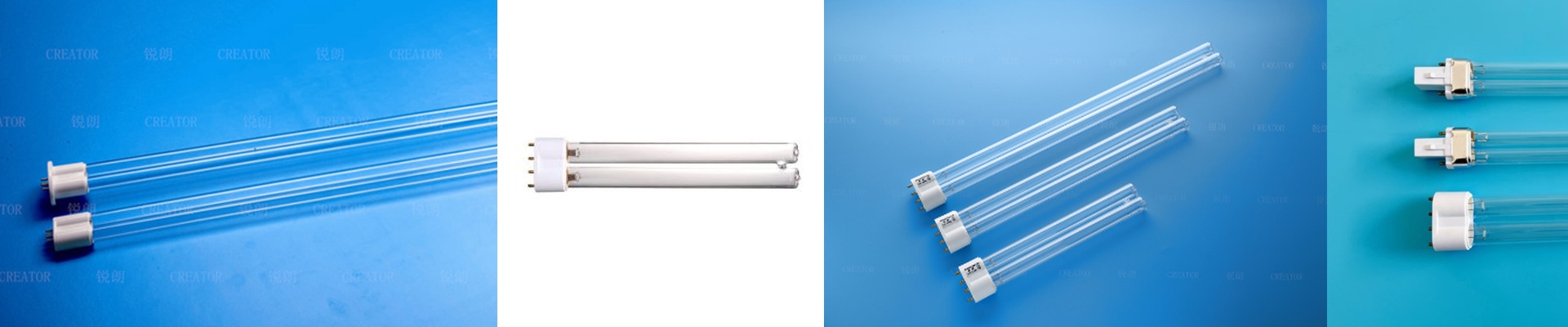
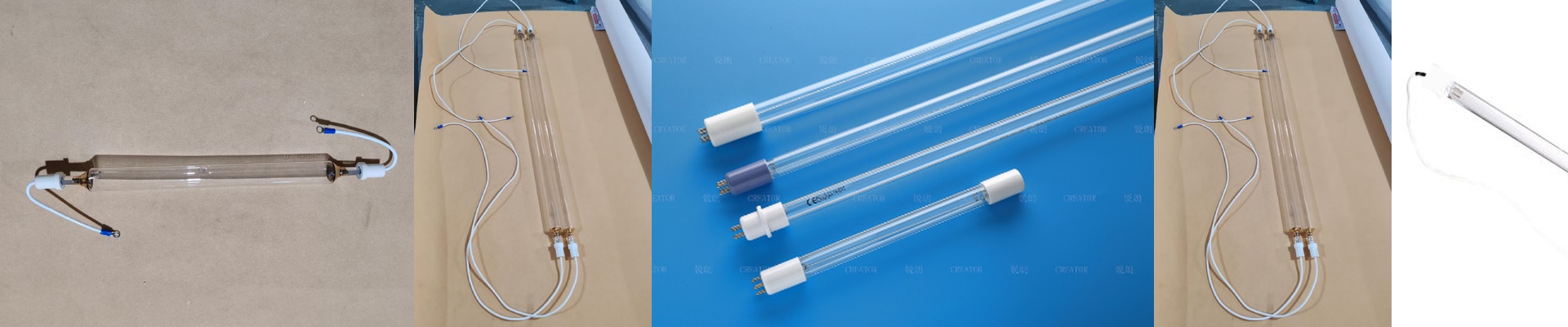
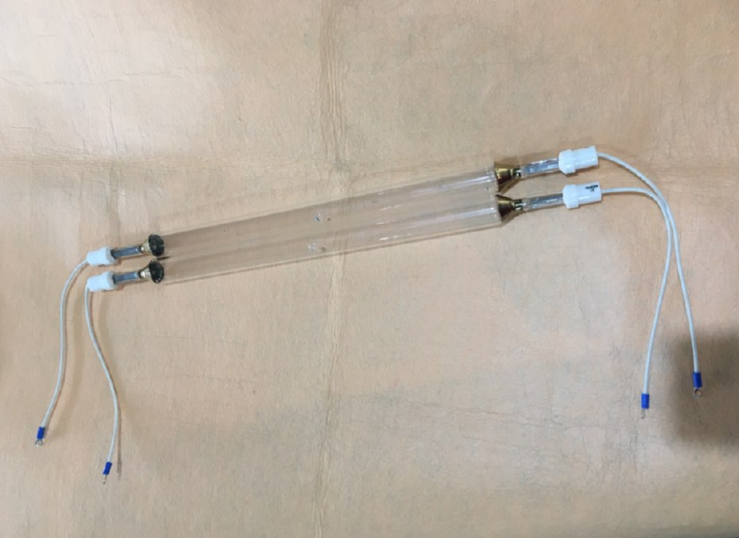
On the floor, guesswork doesn’t cut it. In medical device printing, a weak cure leaves ink unbonded, adhesion fails, and rework eats your schedule. Our CE-certified UV mercury curing lamps deliver repeatable output so the process stays in control. What matters, technically, is stability. We build a stable mercury vapor discharge with tight spectral control, putting out the UV that photoinitiators actually respond to. Peak irradiance stays consistent across the active band, so cross-linking happens instantly without heat soak. Reflectors use a dichroic coating to push energy forward and keep lamp efficiency honest. That gives you deep penetration through pigments and thick layers, and full cure in one pass. Output is measured and logged—not guessed. Why it works here is straightforward. Medical-grade standards demand disinfection consistency and curing consistency. In a clean-room line, these lamps cure fast and completely at line speed, cutting dwell and shrinking cycle time. Energy goes where it needs to, so you trim utility draw without giving up cure depth. Lamp life is managed with an ozone-free design and stable arc control, so output stays predictable over thousands of hours. Fewer lamp swaps, less downtime, and print quality that holds run after run. Here are the things you need to keep straight. Match the spectral output to the ink’s photoinitiator window; a mismatch will stall cross-linking even if power looks high. These lamps need proper airflow and a stable power supply—thermal drift shifts output and shortens life. Integrate a closed-loop energy monitor to confirm dose at the substrate. Dimensional compatibility with your curing module has to be verified; tight tolerances are what give you uniform irradiance across the web. And plan maintenance around arc-hour tracking, not the calendar.