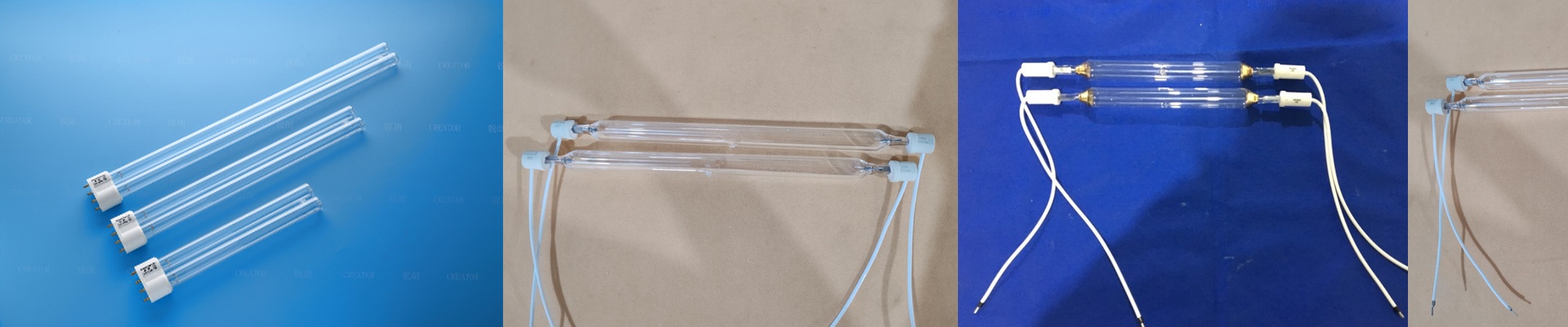
On the press, speed isn’t the only constraint. You need consistent cross-linking on glass—no micro-voids, no heat stress, and no adhesion coming undone. In glass bonding, the lamp has to deliver a stable dose right at the bond line, day after day, even when line speed and ambient temperature are moving around.
What matters, technically
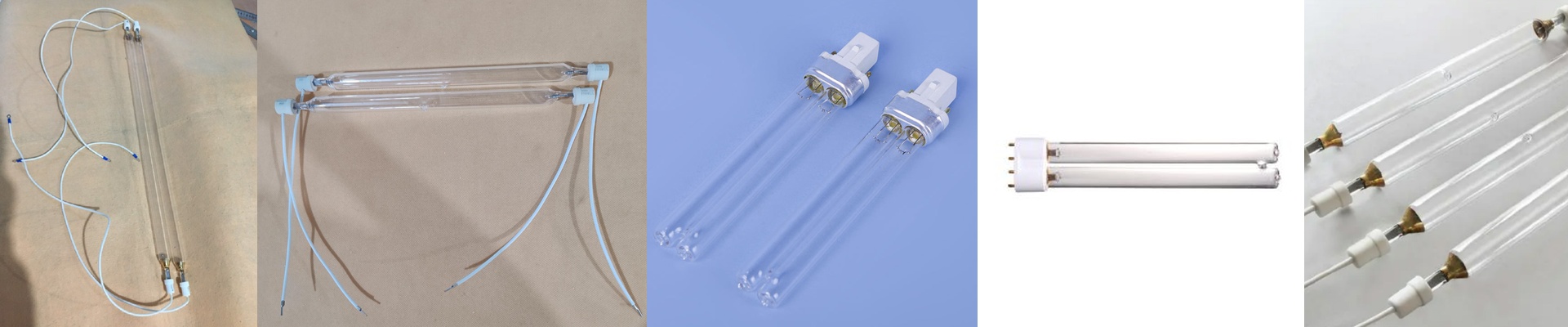
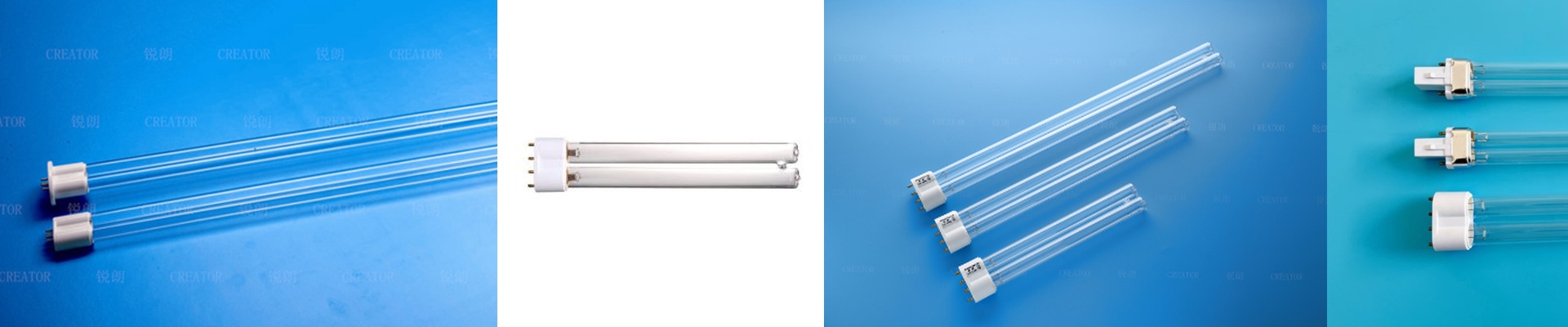
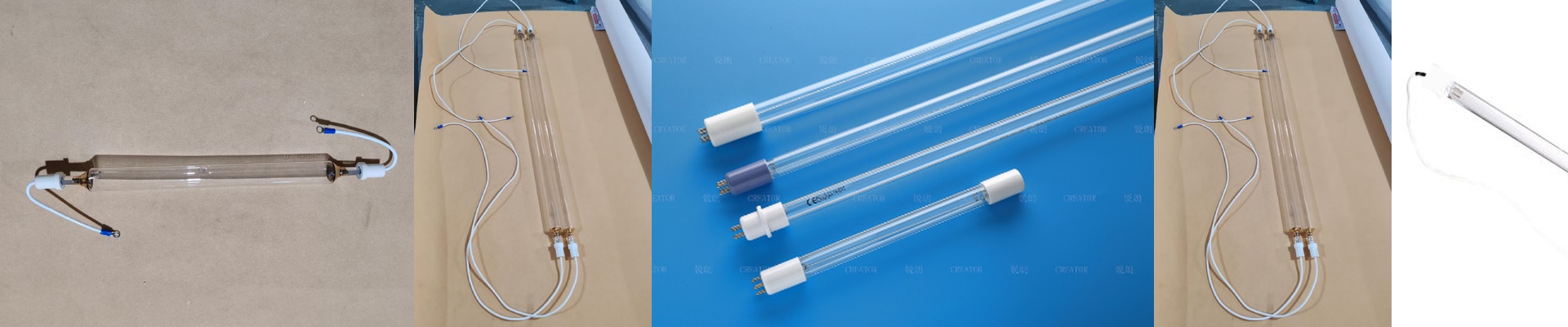
With glass bonding, it comes down to spectral output and irradiance. If those aren’t right, the photoinitiator won’t fully respond before the fixture clears the cure zone. A high-pressure mercury vapor lamp, built for stable output, typically gives you strong peaks at 365 nm and 395 nm, plus solid output across the UVA band. That broad-band profile lines up with the photoinitiators in adhesives and coatings used on glass, so you get a fast surface cure and the deeper through-cure you need where it counts. Spec the lamp power based on application width and the energy density you have to hit. For example, a 120 W/cm lamp running at 10 m/min can land around 800 mJ/cm² at the substrate—assuming the reflector keeps tight focal control. Peak irradiance at the bond line has to be high enough to push through absorption and shadowing. So we pair the lamp with a dichroic-coated reflector that cuts IR heat load and keeps substrate temperature within tolerance. Lamp life is predictable: with the right ballast and cooling, output holds within ±5% for 2,000–3,000 hours, then drifts down gradually. Keep a radiometer on it, and swap lamps before the dose drops below the adhesive’s threshold.
Why it holds up in practice
Glass bonding needs repeatable cure, not just a big spike in power. The right lamp gives you a stable spectral envelope, so the cure window is wide enough to absorb minor speed changes without under-cure or over-cure. That repeatability is what cuts scrap, keeps bond strength in spec, and lets you run higher throughput without courting thermal shock. Energy stays in check because the reflector concentrates UV where it matters, and the system runs on demand instead of idling hot.
The details that bite you
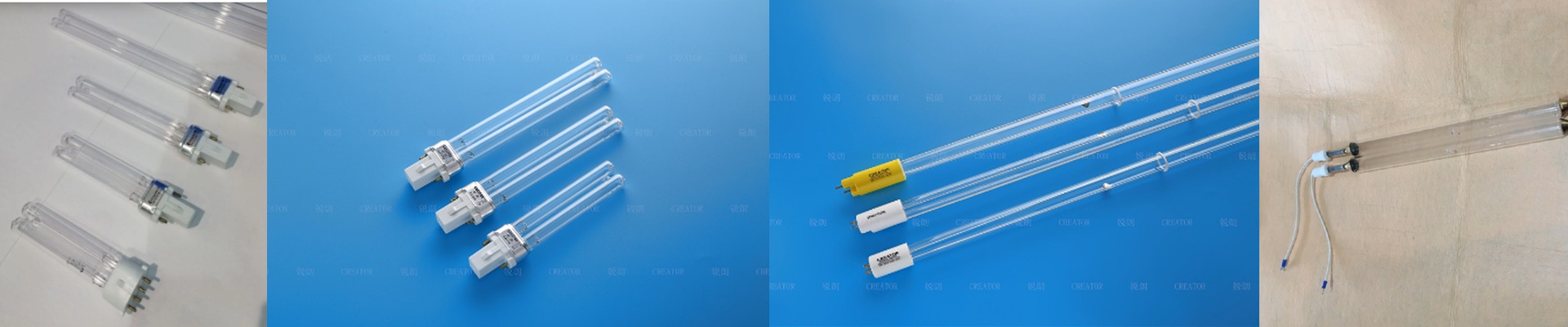
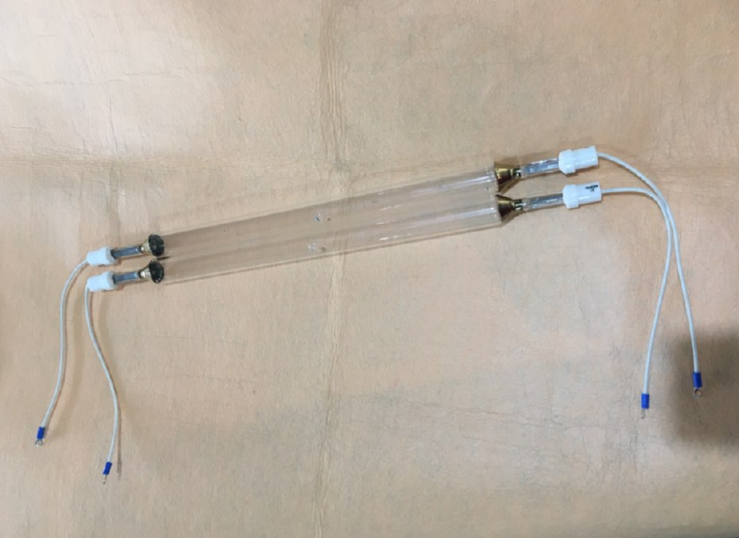
Match the lamp to the adhesive’s photoinitiator window—365 nm when you need deep through-cure, 395 nm for surface-to-mid cure—and verify the dose with a spectral radiometer at the substrate, not at the lamp face. Make sure the fixture has real airflow and thermal separation from the glass. Even ozone-free designs still throw off heat. Compatibility has to be exact: curing module, connector type, and arc length—no shortcuts. And expect a little warm-up drift in the first 10 minutes. Plan your line starts around that.