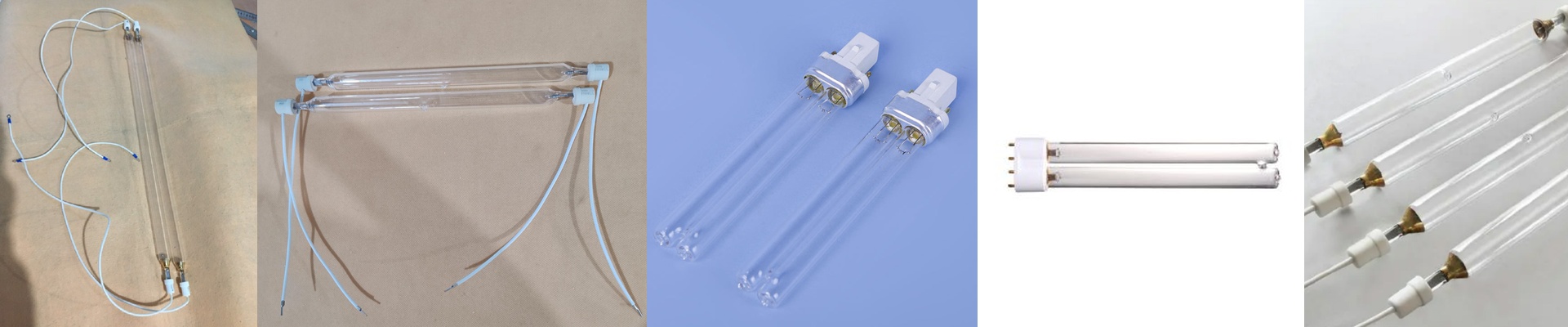
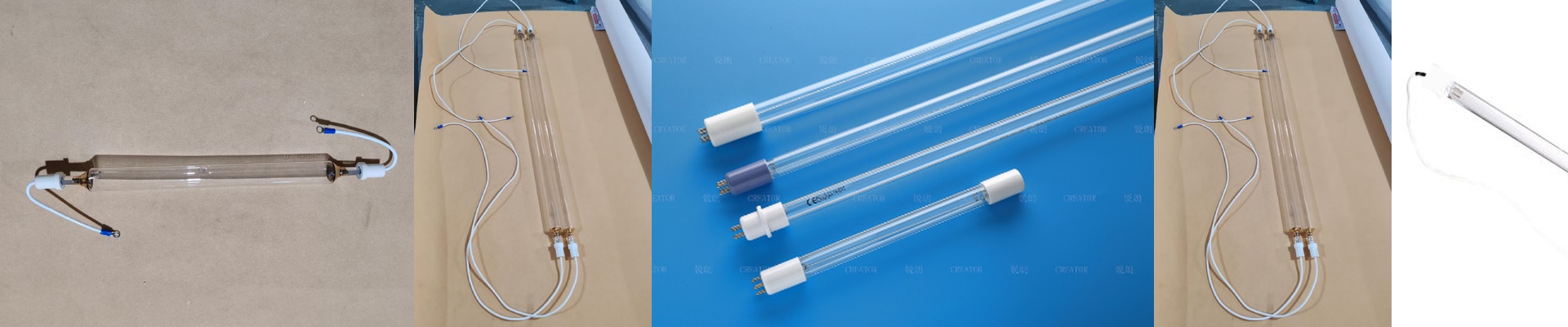
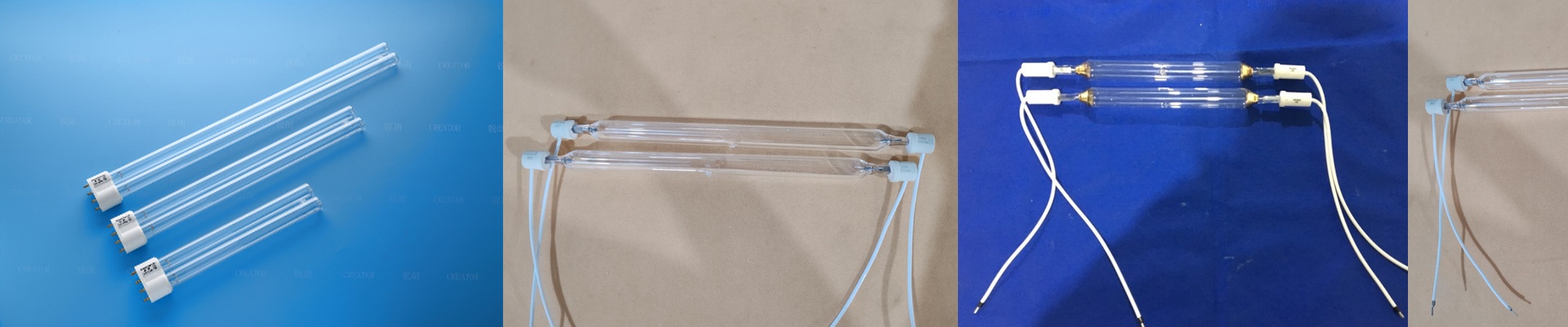
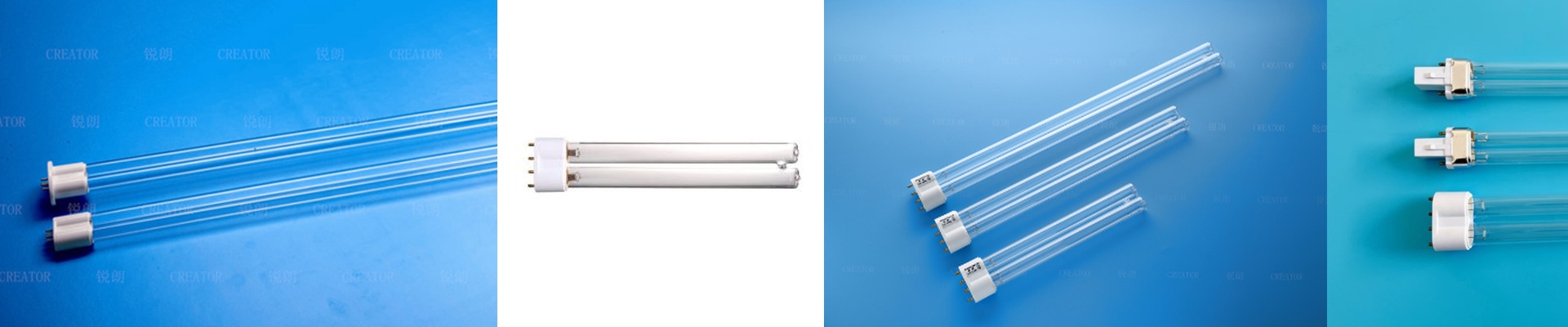
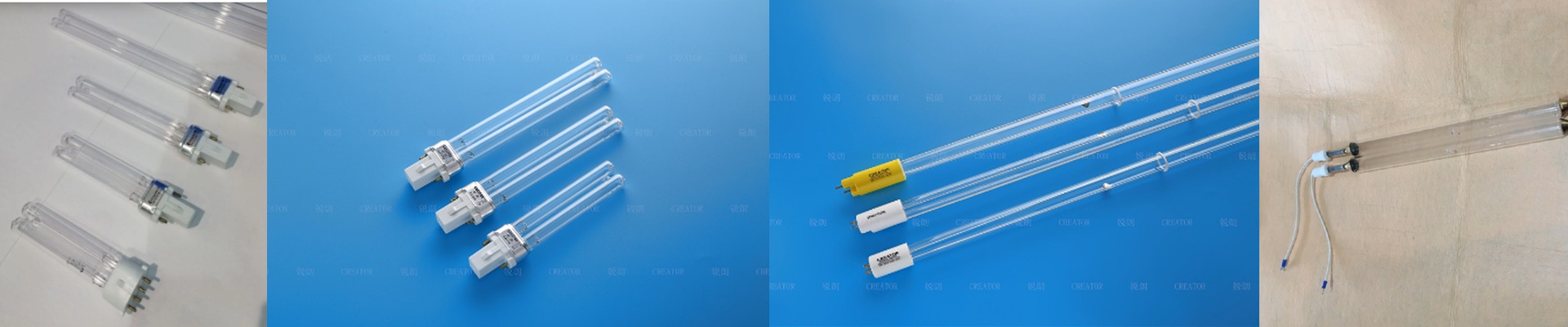
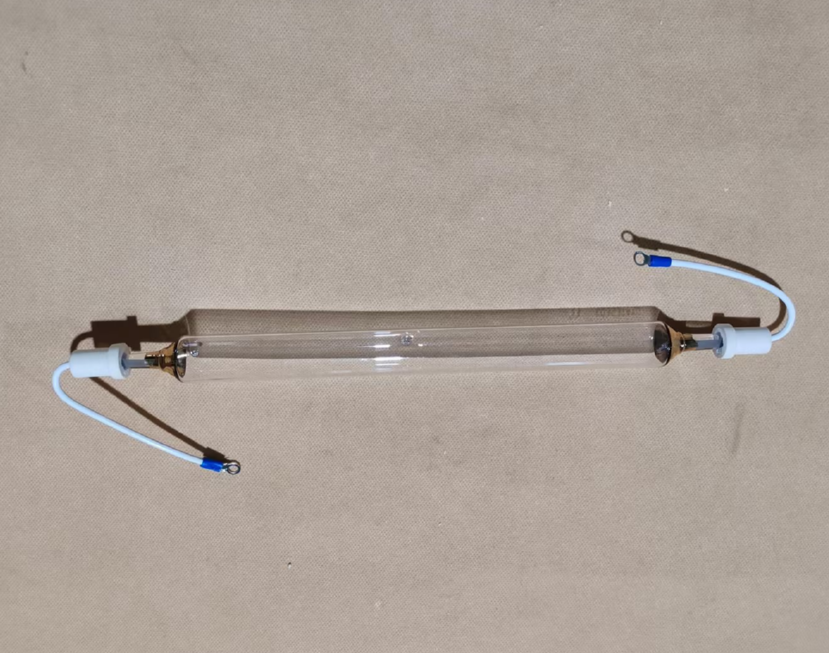
On the floor, screen printing comes down to one thing: curing. You lay down thick ink, heavy pigment, and hold tight registration. When the lamp can’t keep up, the line stalls—tacky jobs, pinholes, adhesion that fails and scraps the run. We built this UV lamp for screen work to stop that from happening, with spectral output you can count on and energy density that stays steady, shift after shift.
What actually matters
We spec high-pressure mercury vapor lamps with a matched spectral profile—centered at 365 nm, and strong output around 313 nm and 436 nm. That’s how the photoinitiators in thick-layer inks cross-link all the way through the deposit, not just at the surface. Peak irradiance is engineered to top 1,200 mW/cm² at the substrate plane, delivering curing energy density in the 800–1,200 mJ/cm² range for typical screen inks at production speeds. The reflector uses a high-reflectivity dichroic coating to shape the beam and cut wasted IR. That keeps substrate temperature under control and improves electrical-to-UV conversion efficiency. Output stays stable for 1,000+ hours, and with routine maintenance you keep lamp-end intensity inside a tight window.
Why it holds up in screen
Screen printing needs deep cure without scorching the mesh or warping the substrate. This lamp’s spectral output and tight focal profile punch through thick ink layers, so you get less surface skinning and no uncured traps. The payoff is fewer rejects, faster changeovers, and dot gain you can keep consistent—whether you’re running solids or fine detail. You also save energy because the reflector efficiency and lamp drive tuning cut waste heat and idle losses.
The details that bite you if you ignore them
Matching lamp length, arc gap, and connector interface to your dryer zone isn’t optional. Get the geometry wrong and you’ll see uneven irradiance and edge curing. Ozone-free operation is standard, but you still have to maintain airflow and shutter alignment so lamp temperature stays in spec. Don’t plan lamp end-of-life by hours alone—track spectral radiometer readings. And keep spare lamps in climate-controlled storage to avoid premature failure.