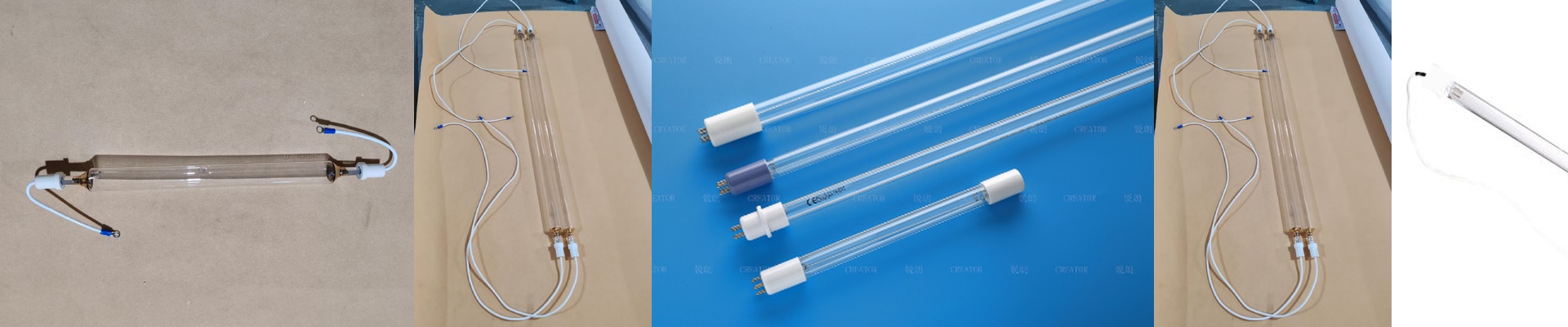
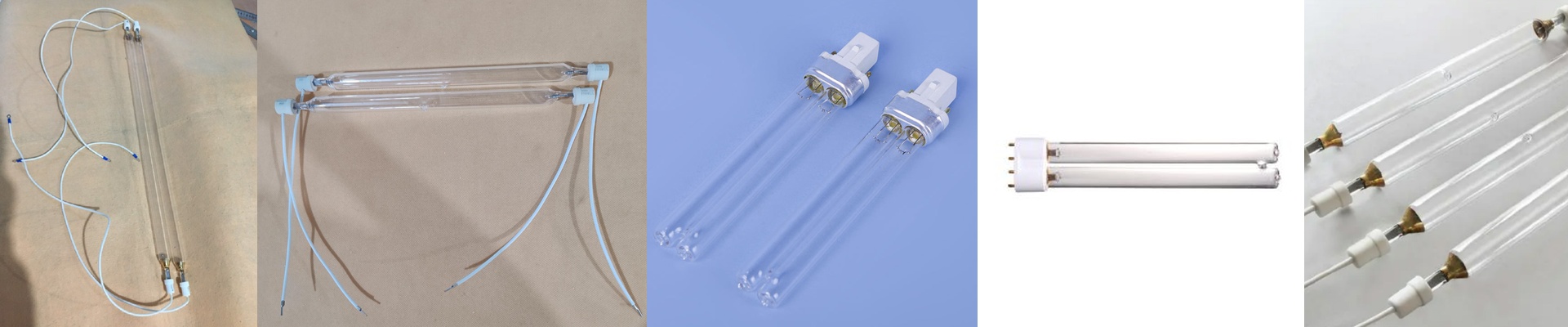
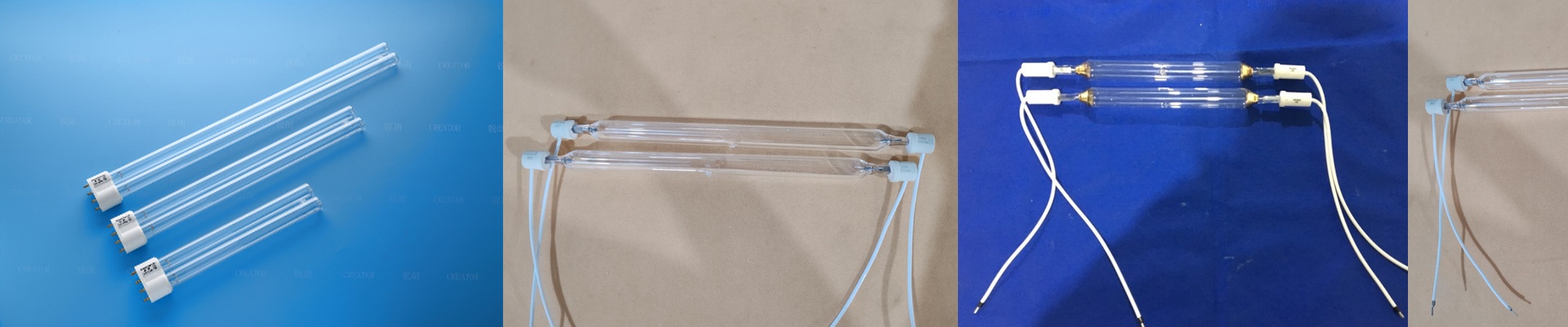
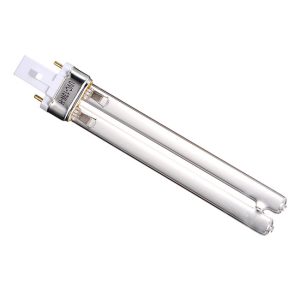
Out on the NDT line, false rejects and missed defects usually come down to one thing: unstable UV exposure. Peak irradiance that sags. Spectral output that drifts. Cure energy that never repeats. When you’re firing off tens of thousands of quick flash exposures per shift, the lamp’s thermal behavior isn’t a background detail—it’s the boundary the whole process runs up against. What matters, technically We built the cathode with low thermal inertia so the arc settles fast and the envelope temperature doesn’t swing as much between flashes. That gives you repeatable output: a 365 nm spectral peak, stable within ±2% across 100,000+ flashes, and peak irradiance of ≥12 W/cm² measured at the work surface. Each flash hits ≥800 mJ/cm² in 0.3–0.6 seconds—enough to drive photoinitiator cross-linking without cooking the substrate. The quartz body is ozone-free, and the reflector uses a dichroic coating tuned to hold ≥85% reflectance at 365 nm. More of the delivered energy ends up on the part, not as waste heat. Why it holds up in this kind of work Rapid flash exposures demand a lamp that recovers immediately. No long cool-down. No output droop after sustained bursts. The low-heat-inertia cathode cuts down on thermal fatigue, so UV intensity stays consistent across the entire production curve. Cure energy stays in spec, so first-pass yield climbs. And when the lamp is near end-of-life, the output doesn’t collapse on you—it declines predictably, which means fewer unplanned stops. Energy draw drops too: with typical duty cycles of 20–40%, operating costs stay in check while throughput keeps climbing. Things to keep straight on the floor Match the lamp to the driver. The power supply has to support the rated flash frequency and ignition voltage, and the optical path needs enough airflow to hold envelope temperature. Even a 2 mm misalignment on the reflector will cost you 3–5% output. For the most stable performance, keep ambient at 15–30°C and lock in the work gap.