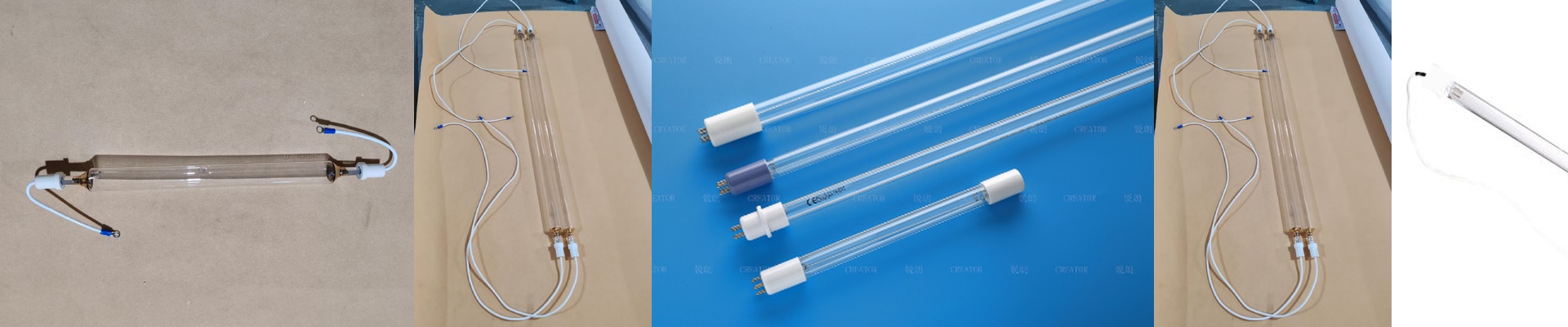
Stop Guessing With Your UV Curing
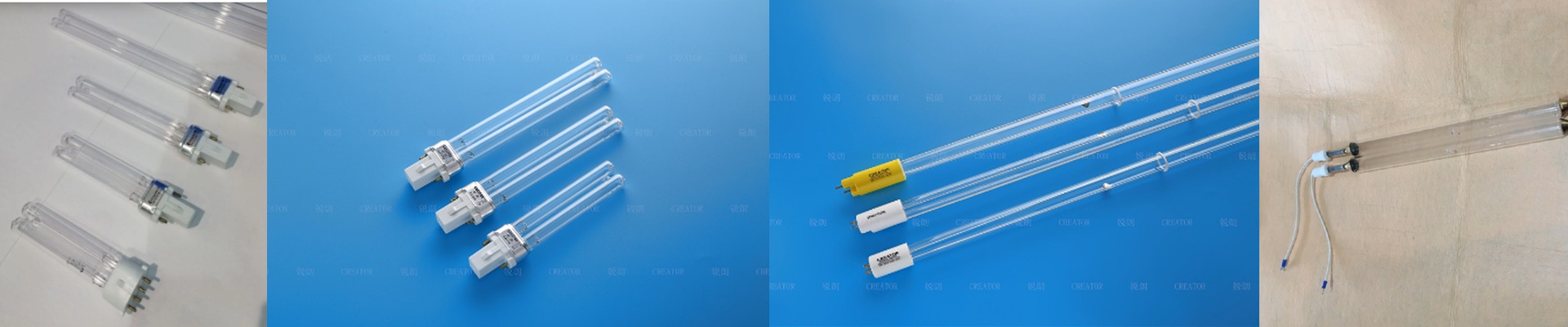
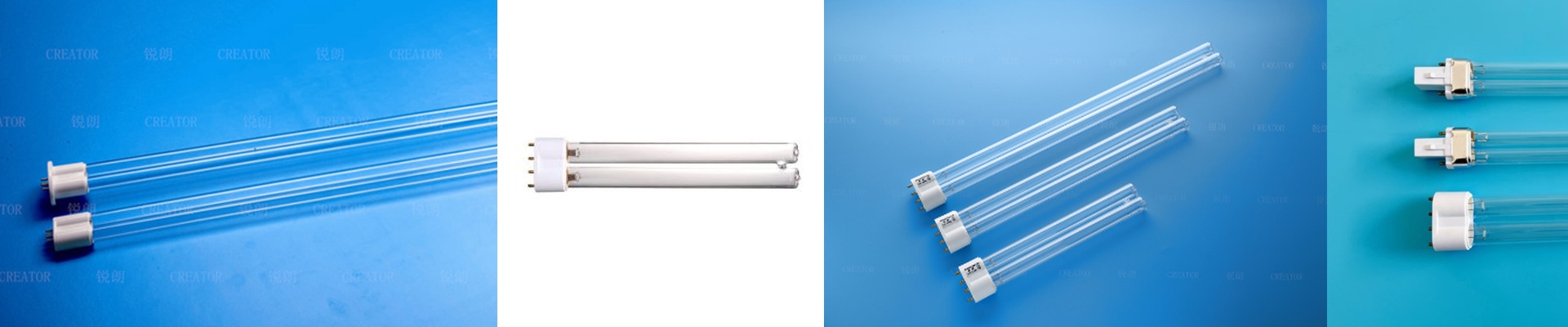
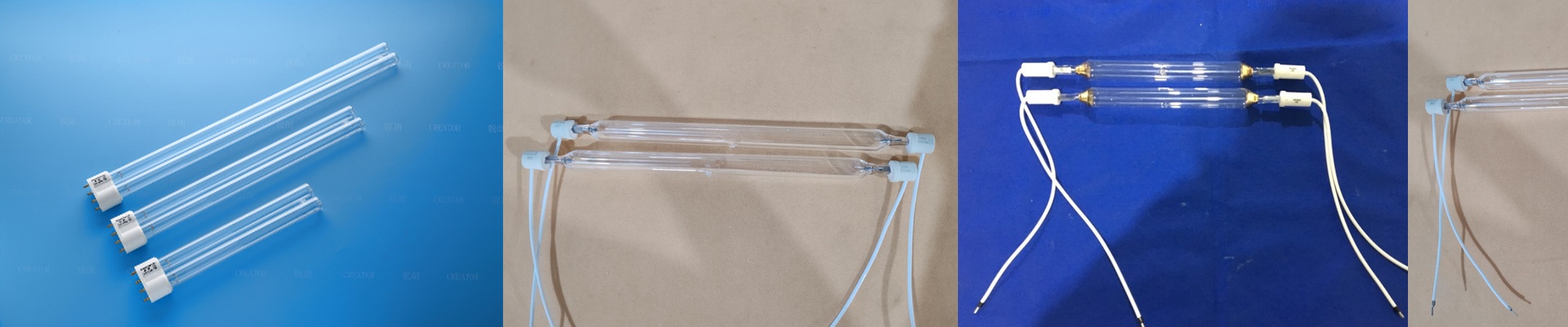
Look, we aren’t just shipping you a box of lamps. Anyone can do that. The real problem is that most off-the-shelf bulbs are a gamble. They don’t care how fast your press is running or how far the lamp sits from the material. If those numbers are off, you’re either scorching your substrate or leaving the ink wet. Not great. We do things differently. We figure out exactly what your specific ink or coating needs to harden properly, then we build the lamp to match.
It’s All About the Chemistry
UV curing is basically a game of photon density. If the wavelength of the light doesn’t “talk” to the photoinitiators in your ink, you end up with that annoying tacky surface. We call that under-cure. To fix this, we tweak the gas fill and phosphor coatings to shift where the light hits its peak. This makes sure the energy actually sinks deep into the ink layer rather than just bouncing off the top. And here’s the thing: forget the wattage listed on the box. That number doesn’t tell you much. We care aboutirradiance—the actual power hitting your product. We calculate exactly how much light is lost through the lens and reflector so your cure happens in a fraction of a second.
The Physical Stuff (and the Heat)
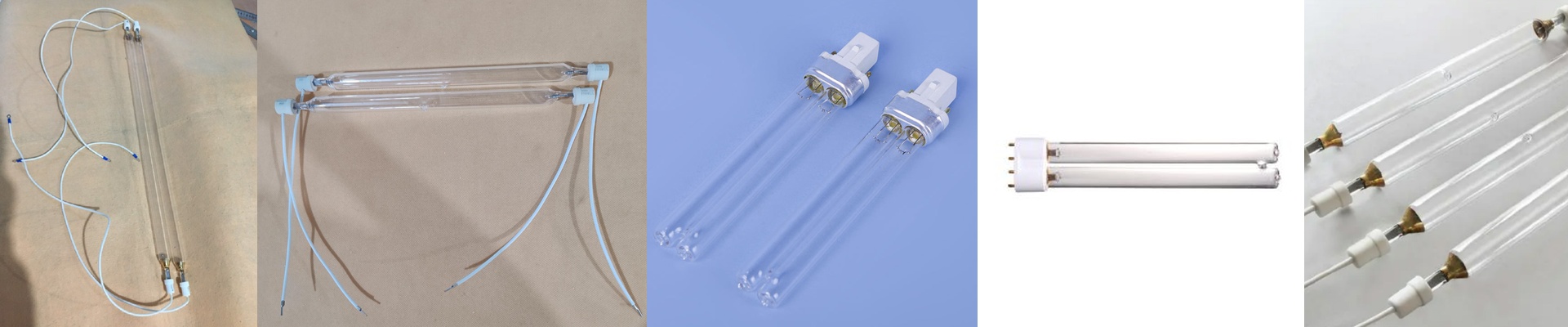
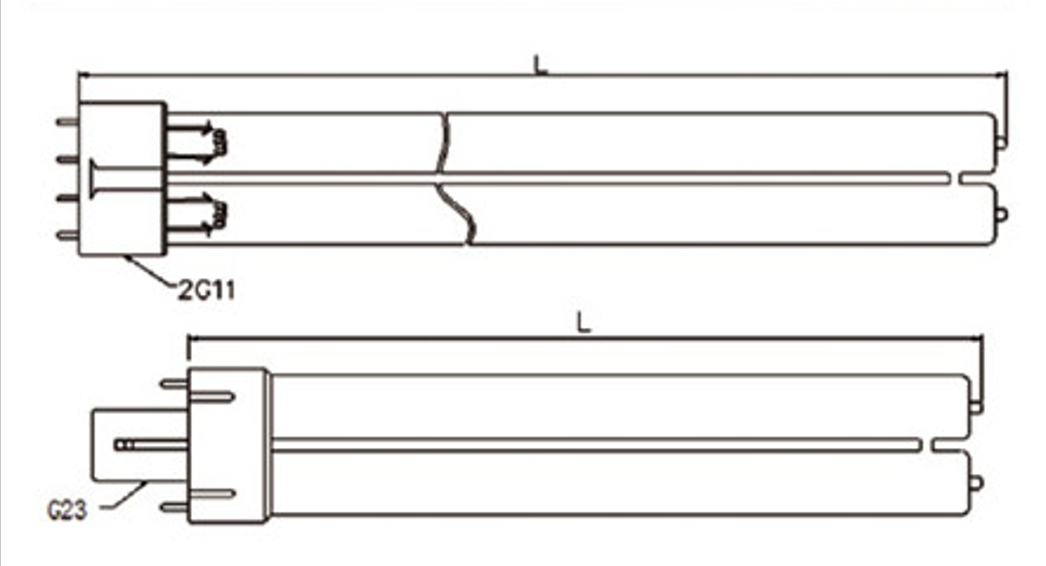
We also make sure the hardware actually fits. No one wants to spend a weekend hacking a connector just to get a lamp to work. We build them to be drop-in replacements for your current housings. Simple. But we have to be honest about the trade-offs. High-intensity lamps get hot. Like, really hot. If we cram more wattage into a shorter tube to speed up your line, your cooling system is going to feel it. You’ll want to double-check your airflow or water-cooling. If you don’t, you’re looking at warped materials or bulbs that burn out way too fast.
No More Trial and Error
We’re here to stop the “let’s just try this one and see” cycle. That’s a waste of time and money. Instead of swapping bulbs until something finally sticks, we look at your line speed and ink viscosity first. We help you get the wiring right so everything stays stable. It beats the hell out of constant downtime and piles of wasted scrap.