Stop Just Buying Bulbs. Start Engineering Your Process.
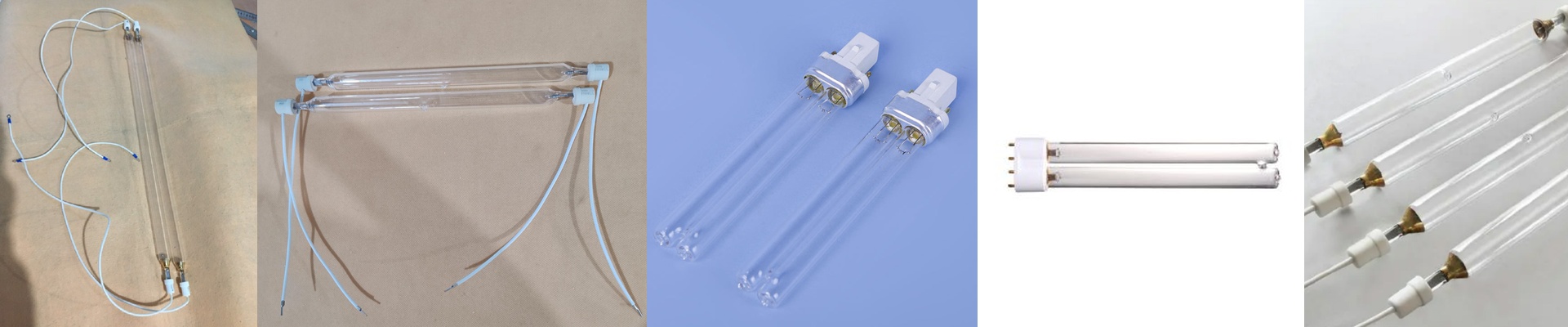
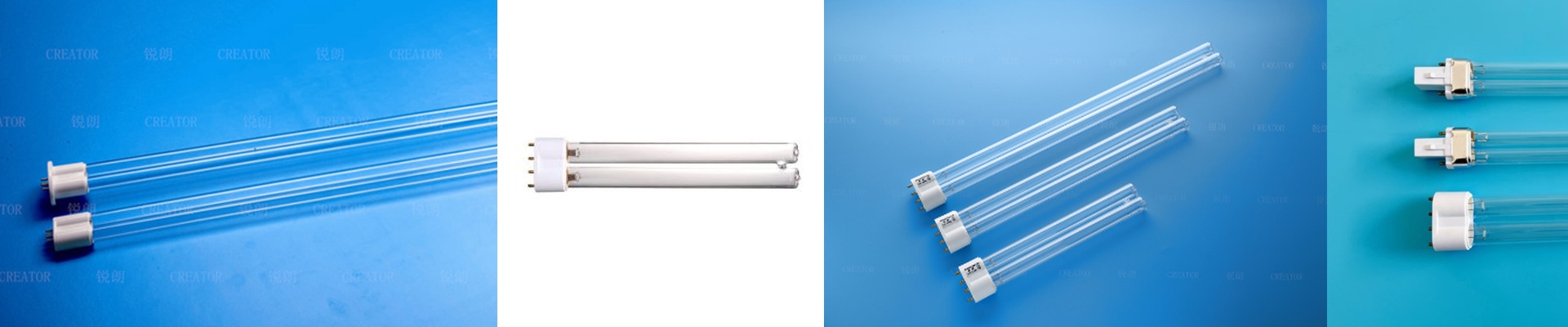
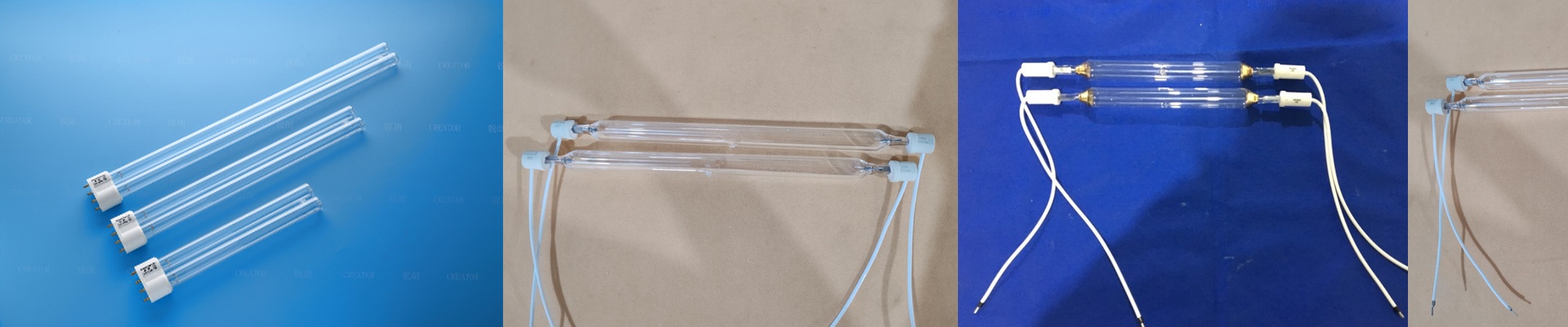
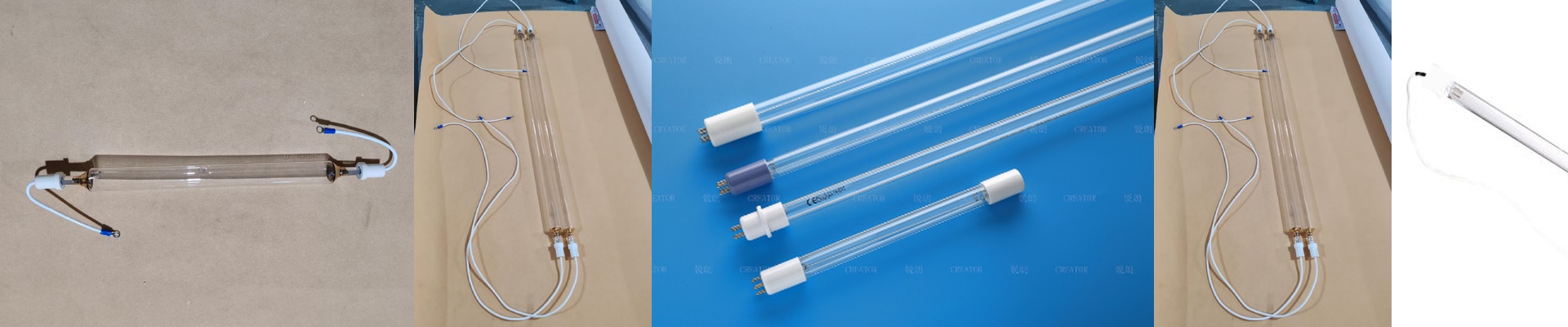
Most suppliers just put a bulb in a box and ship it. That’s not how we do things. If you’re running high-speed printing or textiles, that lamp is way more than just a spare part. It’s the heartbeat of your entire line. It’s what determines how fast you can run and whether your ink actually stays put.
Getting the Physics Right
Here’s the thing about curing: it’s a balancing act. You’ve got wattage and wavelength fighting for the win. Sure, cranking up the wattage makes things cure faster. But if you push too much power into a tiny space? You’ll scorch your materials. Or worse, the ink shrinks and peels right off. It’s a nightmare. We help you find that “sweet spot” where you hit your target speed without ruining the work.
The Heat Problem
UV lamps get hot. Really hot. If your cooling system can’t keep up with that heat, your bulb is going to burn out way sooner than it should. We look at the whole picture—the length of the lamp, the power density, and how well your reflector is actually working. A reflector that’s slightly out of alignment isn’t just inefficient. It wastes energy and puts a ton of stress on the quartz envelope. It’s a waste of money.
Tuning the Machine
Swapping out a lamp is the easy part. The real work is in the tuning. We dive into the nitty-gritty, like your ink viscosity and how thick your coating is. That’s how we figure out if you need a specific UV spectrum. Ever deal with that annoying “orange peel” texture or a surface that still feels tacky? That’s a sign your UV dose is off. Instead of just giving you a drop-in replacement, we look at the actual geometry of your curing tunnel. We make sure the radiation hits the substrate at the right angle so you don’t end up with “dead zones” in your production.