Introduction
Let’s talk about what a UV lamp really does on a production line. It’s more than just a tool for curing adhesives. It’s a quiet anchor for your whole process. Think about a plant floor where several big printing machines are running side-by-side. The electrical environment gets chaotic, to say the least. We built our UV lamps to stay rock-solid in that chaos, so your line keeps moving and you don’t get stuck doing rework.
Power, Voltage, and the Real World
Here’s the thing: our UV lamps are built for the factory floor, not a workbench in a lab. The power and voltage are tuned to deliver the same output, over and over, even when other machines are kicking on and off. That’s why we focus so much on a stable ignition and a steady arc. In practice, it’s simple. The lamp starts clean and stays clean, shift after shift. The high-power density gets the job done fast, which keeps your throughput up. But wait, there’s a trade-off. That kind of power generates heat. So, you just need to make sure your machine’s cooling system is up to the task.
The Build Makes All the Difference
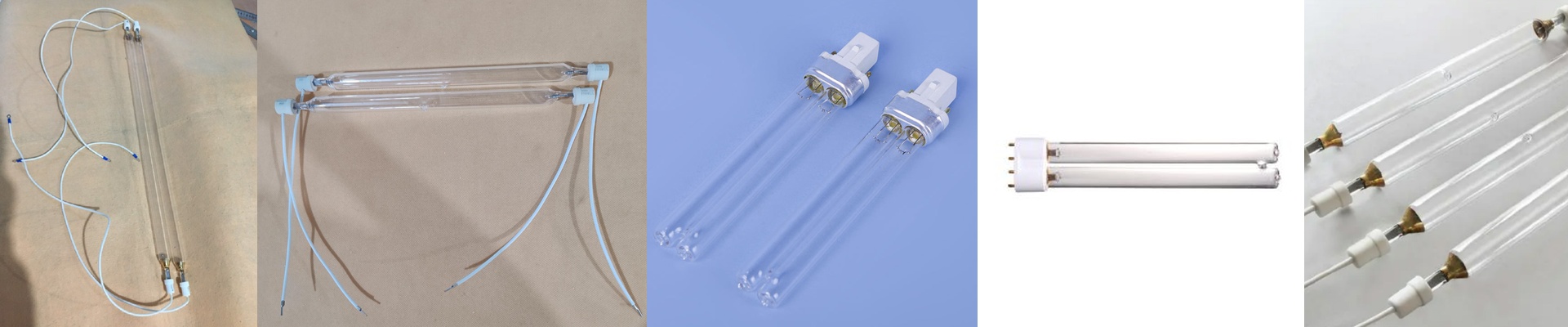
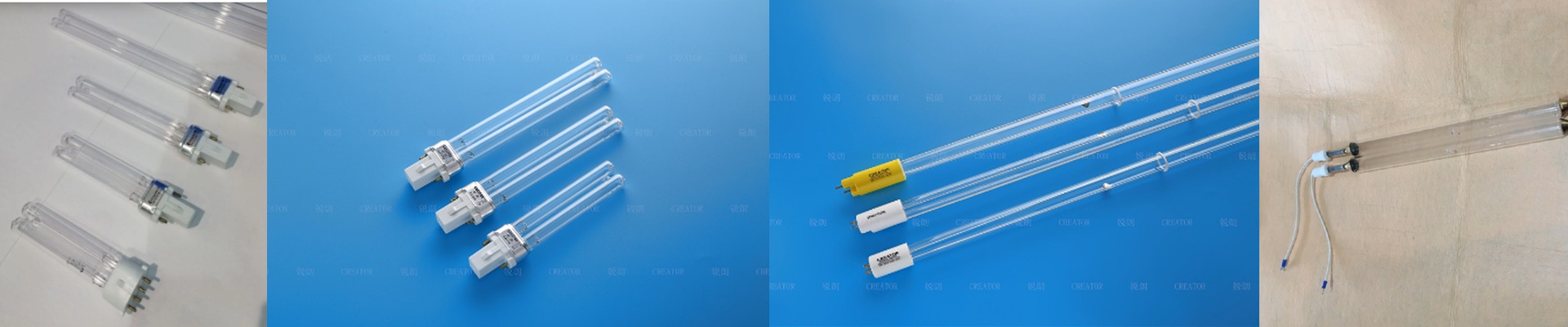
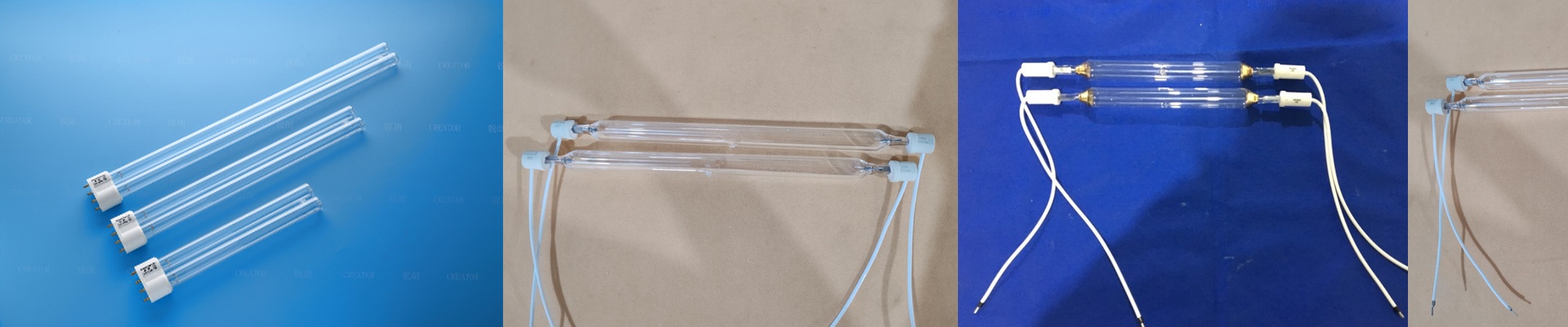
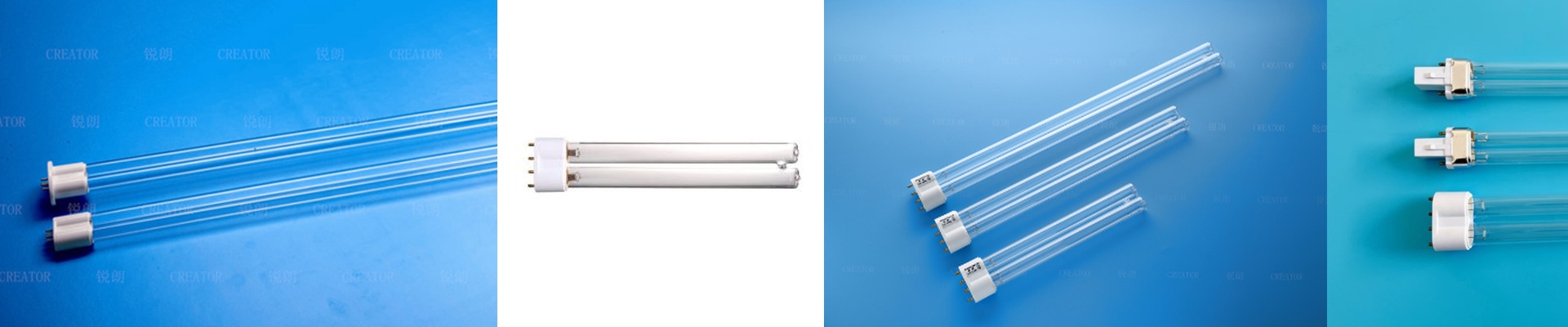
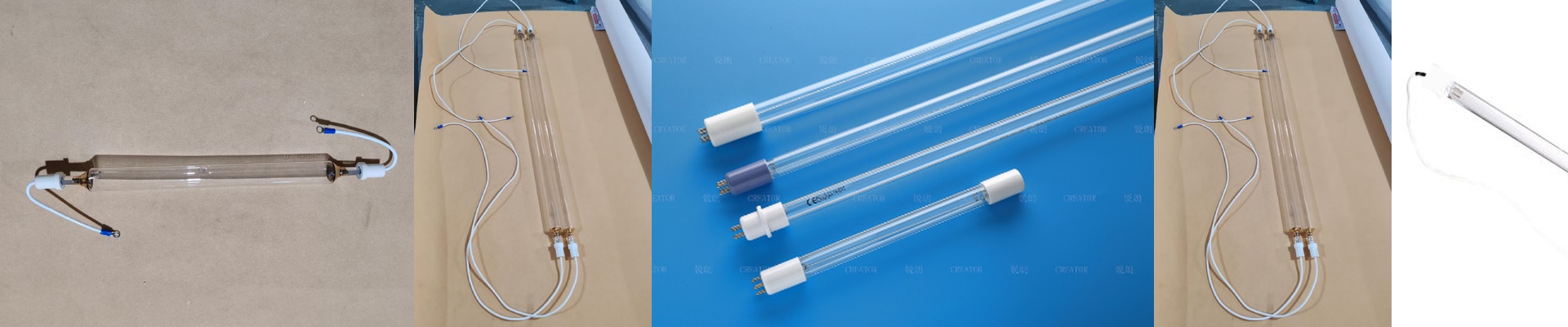
We use quartz and specialized coatings to protect the arc tube and keep the output consistent. The materials and geometry are chosen to hold the spectrum and intensity steady, even when electrical noise spikes around it. And the connector? It’s engineered for a solid, low-resistance fit. Why does that matter? Because tiny voltage fluctuations can throw off the output. With a rock-solid connection, the lamp just holds its course, ignoring the interference.
Performance Where It Counts
On a floor packed with big printers, electrical interference is just a fact of life. Our UV lamp holds its output because the electrical path is clean and the ignition is shielded. For you, that means fewer false stops. Less scrap. And you spend way less time troubleshooting the curing step. The lamp drops in as a direct replacement, wires up clean, and just runs. It doesn’t chase the noise of the rest of the plant. If your goal is repeatable curing in a crowded, high-power environment, it all comes down to one thing: keeping the output stable, no matter what’s going on around it. That’s how we build it. And that’s how it performs on the line.