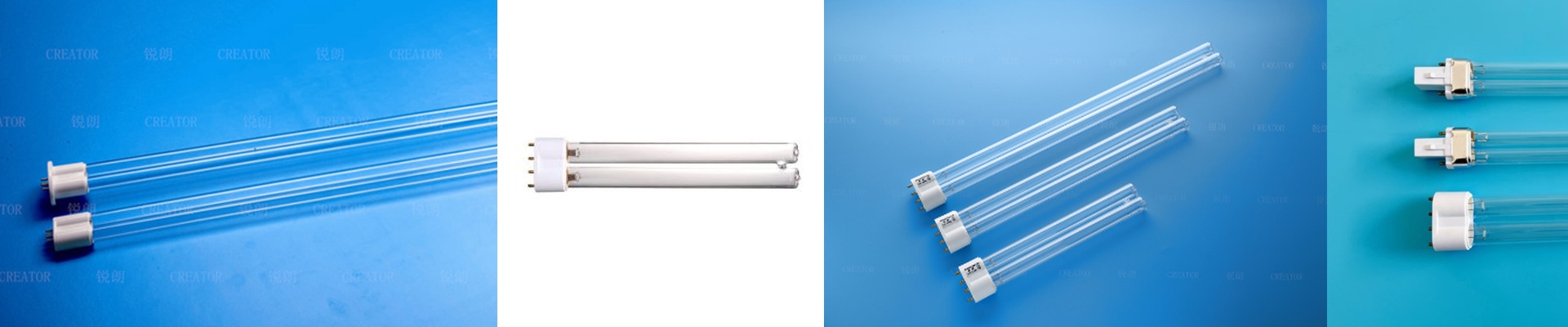
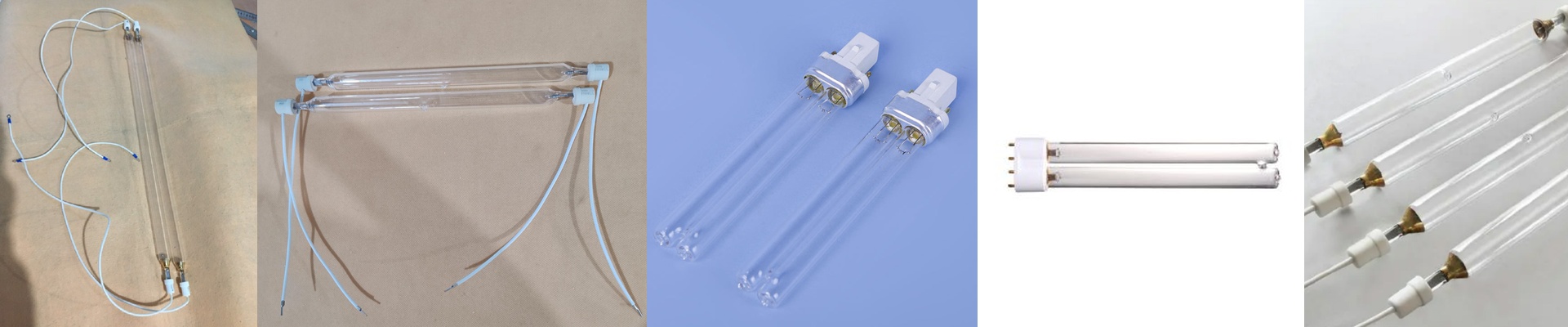
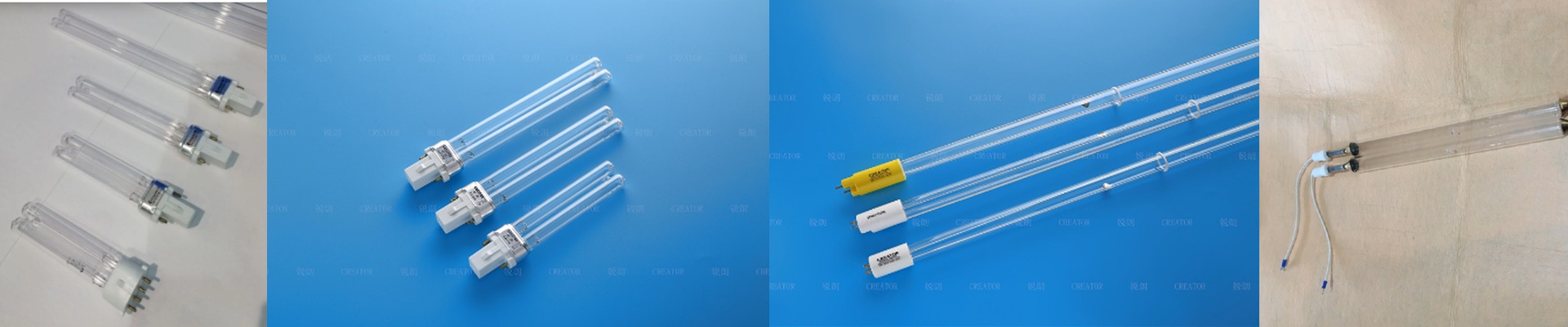
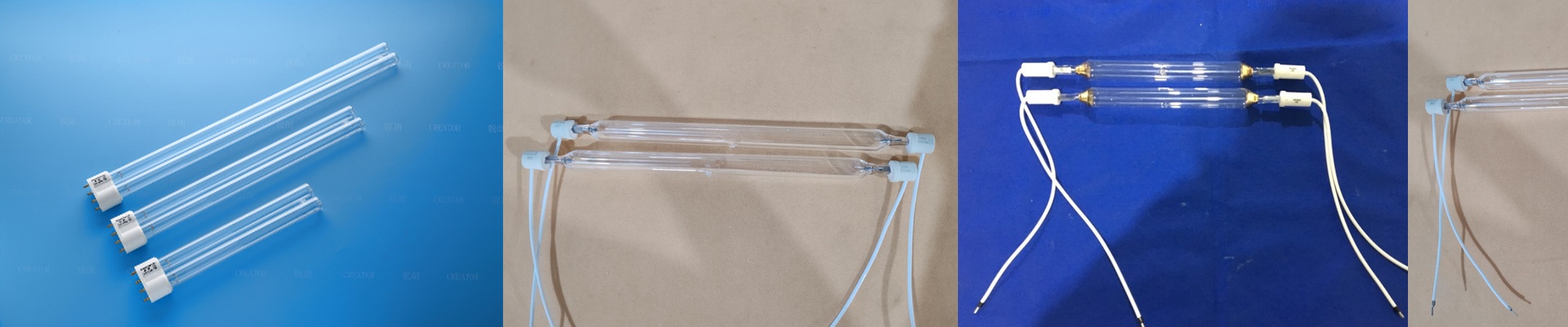
15 Years in the Trenches: The UV Lamp We Built for People Who Hate Downtime
We’ve been at this for fifteen years, and it all comes down to one thing: this lamp has to work. When you’re on the production line, you don’t have time for guesswork or equipment that quits on you. We built this for engineers who need a tool they can trust, day in and day out. A tool that gives you the same reliable performance as the big international names, without the fuss.
The Power Behind the Process
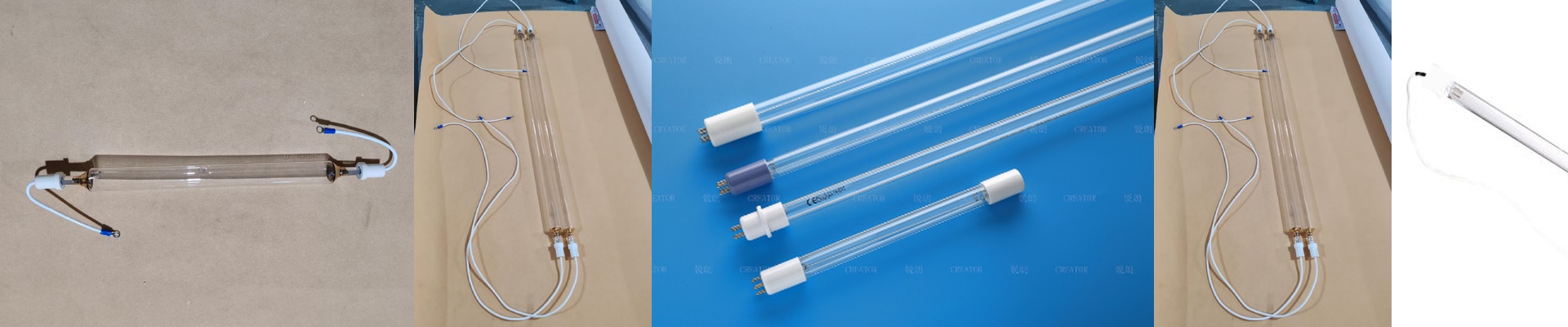
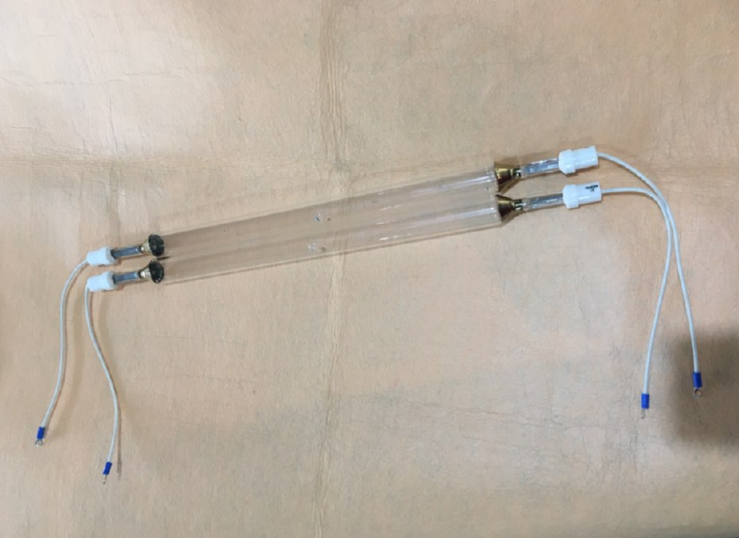
Here’s the heart of the matter. We packed a lot of punch into a small space. The lamp runs on 400V, which is exactly what you need to push serious power through a compact 300mm tube. This keeps the arc stable and the light output consistent from one end to the other. And at 2500W, it delivers the heat needed to cure plastics fast—without scorching the surface. The 300mm length? That was a deliberate choice. It’s designed to slip right into those tight spots where space is at a premium, making it a perfect fit for your existing equipment.
Built to Last, Not Just to Work
Let’s talk about what’s inside. The core is wrapped in high-purity quartz. This stuff can take the shock of being turned on and off constantly, and it lets the UV light through cleanly. Inside, a halogen gas keeps the filament stable, which means the lamp lasts longer and doesn’t lose its punch over time. We also went with an R7s connector. It’s an industrial standard for a reason. It gives you a solid, two-point contact that handles the high current without sparking or coming loose, even when the whole machine is vibrating. You wire it in once, and it stays put. No fiddling. No worrying.
The Real-World Payoff
This setup is for the jobs where speed and control are everything. That high power density means your curing cycles are faster, which keeps things moving. The size makes it a simple drop-in replacement, so you’re not overhauling your whole line. But here’s the thing: with 2500W of power, you need to manage the heat. Your machine’s cooling system has to be up to the task. It’s the trade-off for getting that kind of thermal output. We give you the power to cure fast; you just need to make sure the airflow can keep up.