Getting Your Industrial Curing Right with Gallium Iodide Lamps
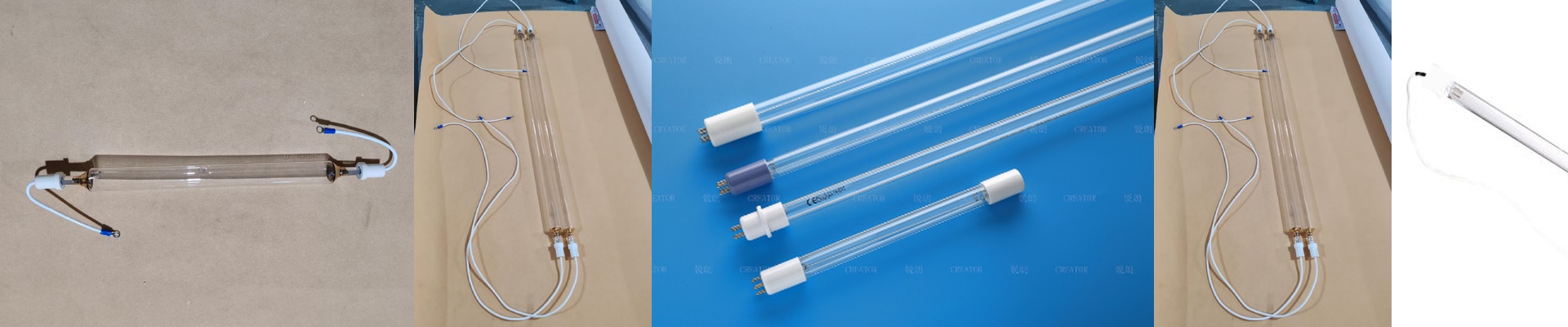
Standard mercury vapor lamps are fine for basic jobs, but they often miss the mark when you’re dealing with deep-cure applications. That’s where our gallium iodide lamps come in. We basically shift the light spectrum to hit those specific wavelengths that actually penetrate deep into your materials.
The Science (Simplified)
Here is how it works: by adding gallium iodide, we change how the lamp behaves. Instead of a broad, scattered light, you get a concentrated punch of UVA and UVB. It means more photons hitting your coating, which makes the polymerization happen much faster—especially if you’re working with thick films. We don’t just give you a generic bulb; we tweak the gas mix and iodide levels to match exactly how your specific resin absorbs light.
Power, Heat, and the Trade-off
More wattage equals more intensity. Simple. To make sure that power doesn’t kill the lamp, we use high-purity quartz glass. It stops the glass from clouding over (solarization), so your UV output stays strong for longer. But a word of caution:**heat is the enemy.**If you crank up the power without a solid cooling system, you’re going to have problems. You might warp your plastics or end up with “skinning,” where the top layer dries but the bottom stays gooey. Keep an eye on your conveyor temps.
Getting Them Installed
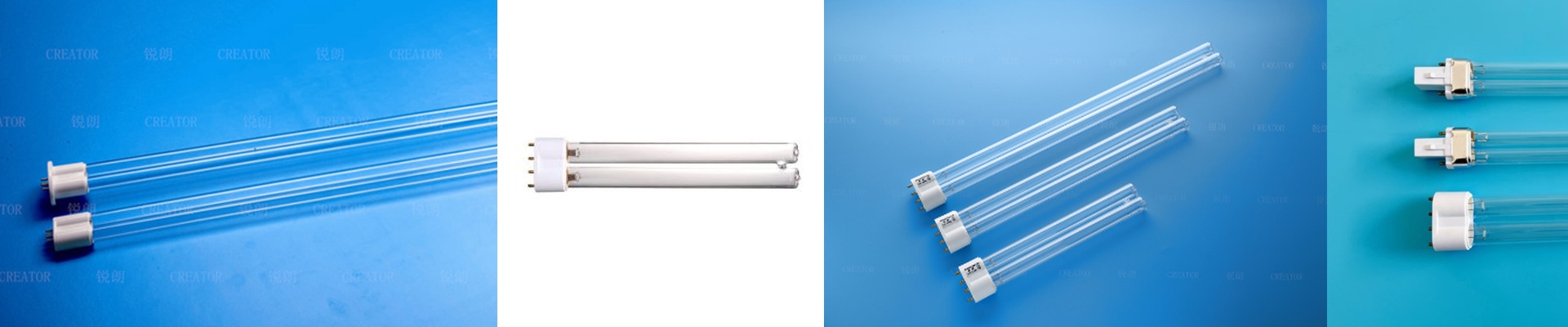
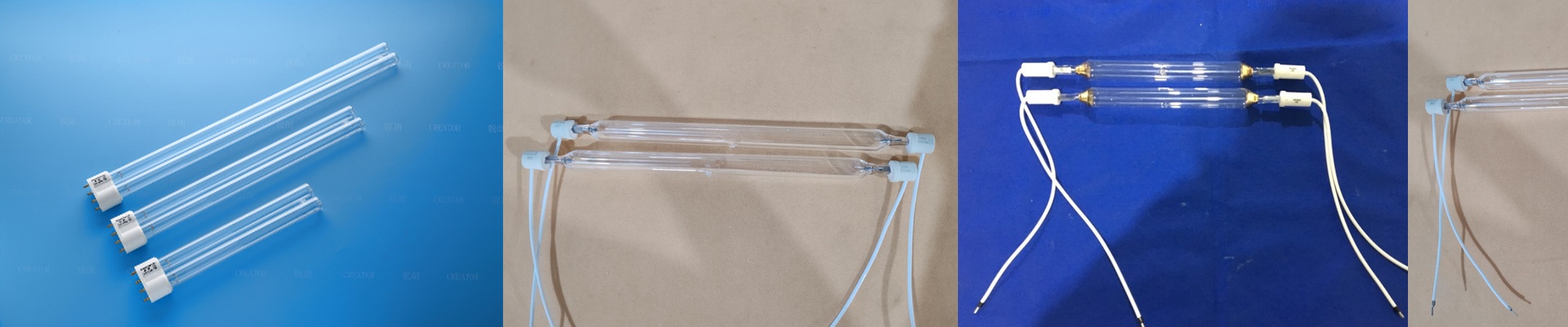
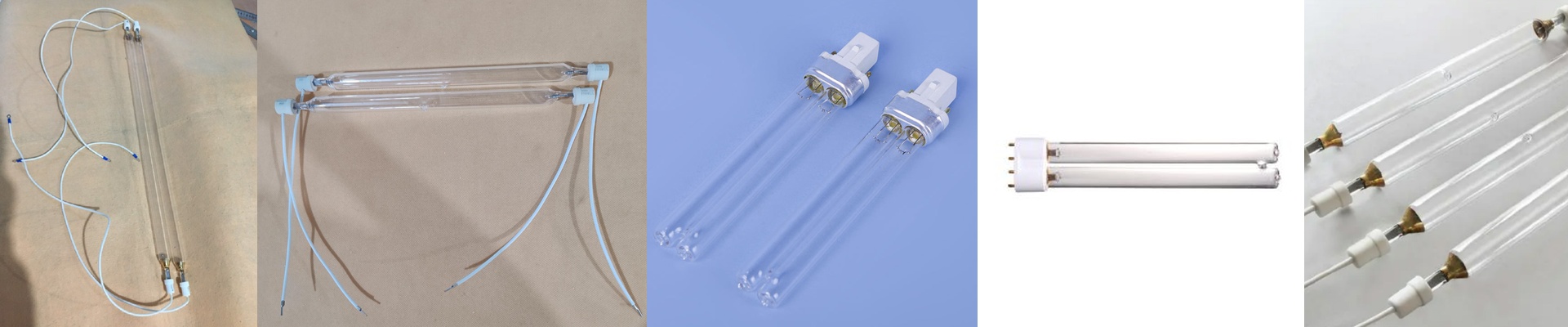
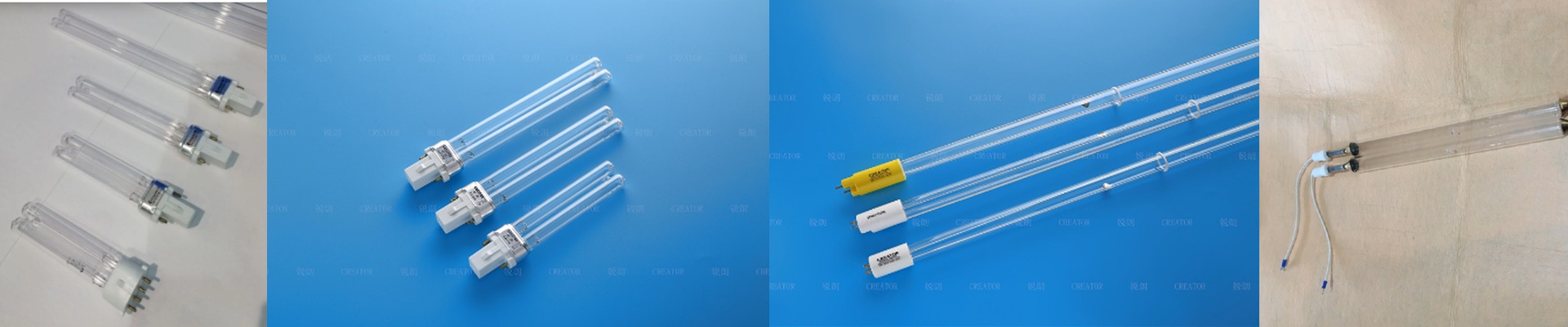
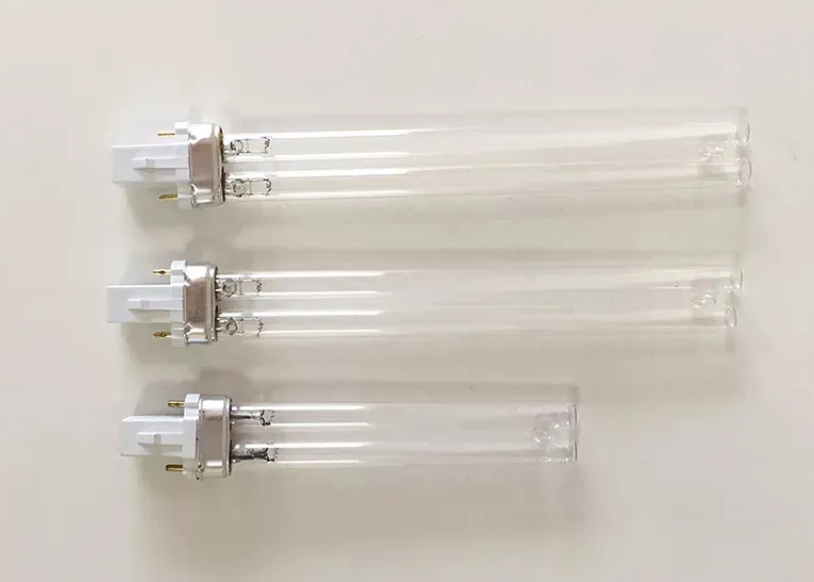
We know you don’t want a headache during installation. That’s why we offer different end-caps and connectors so these can just slide right into your current setup. Just make sure your wiring is spot on. These lamps are picky about their ballasts. If the voltage is off, the lamp will run cold, it won’t hit the right curing temperature, and you’ll likely burn out the electrodes way too soon.
Does it actually work?
We aren’t asking you to take our word for it. We stack our lamps up against the big global brands and look at two things: how fast it cures and how hard the surface gets. We use raw irradiance data and Shore hardness tests to prove the results. In fact, if your parts aren’t hitting the same cross-linking density as those expensive Tier-1 brands, we’ll give you your money back. Period.