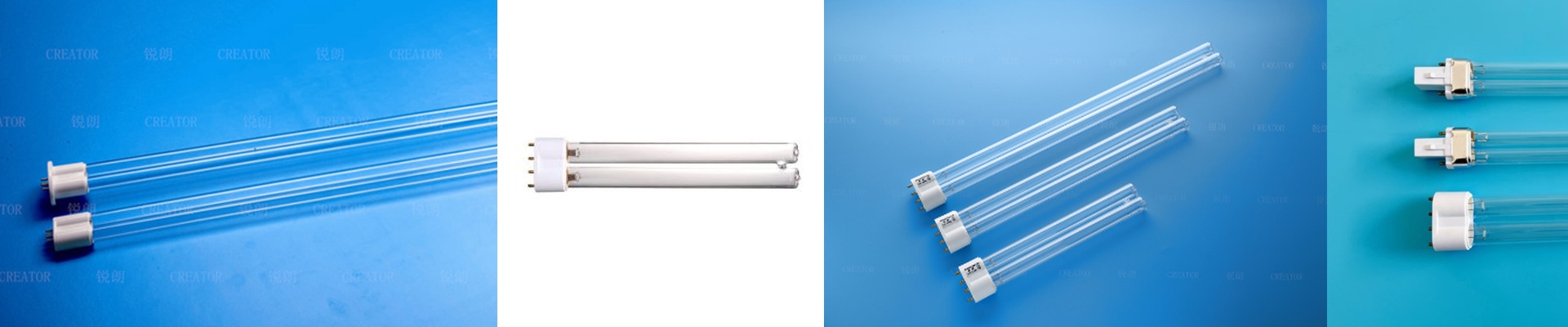
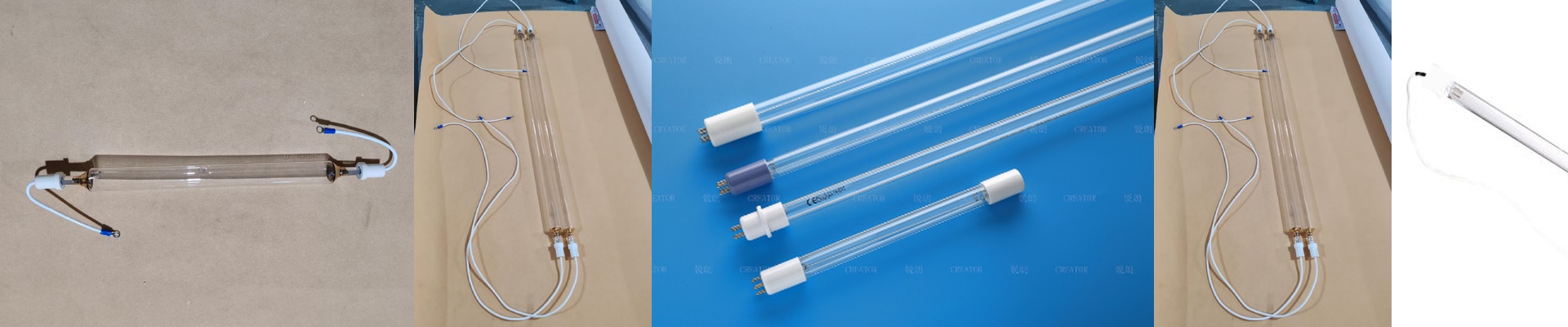
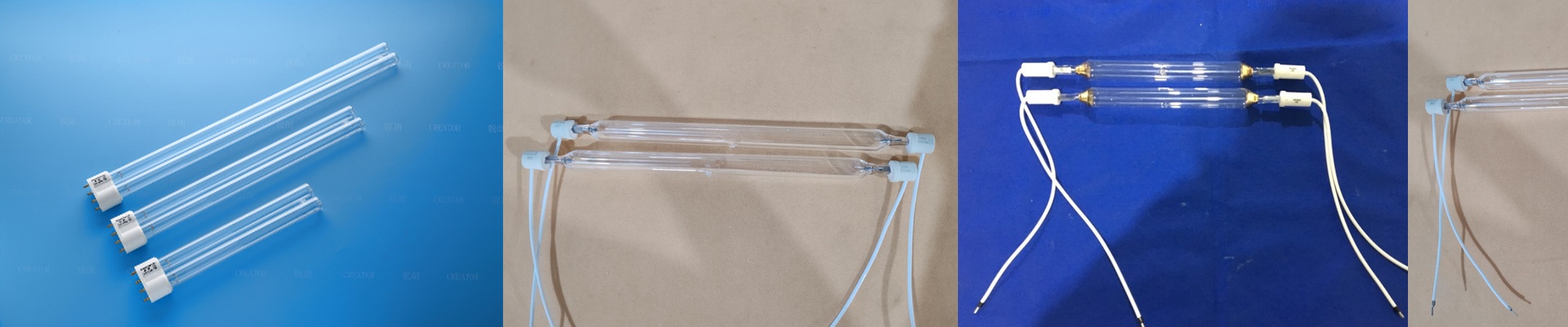
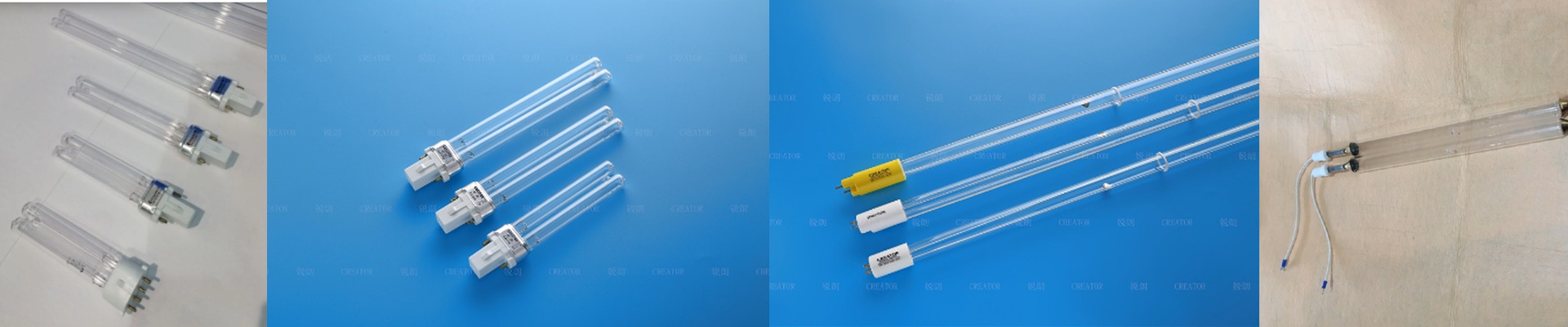
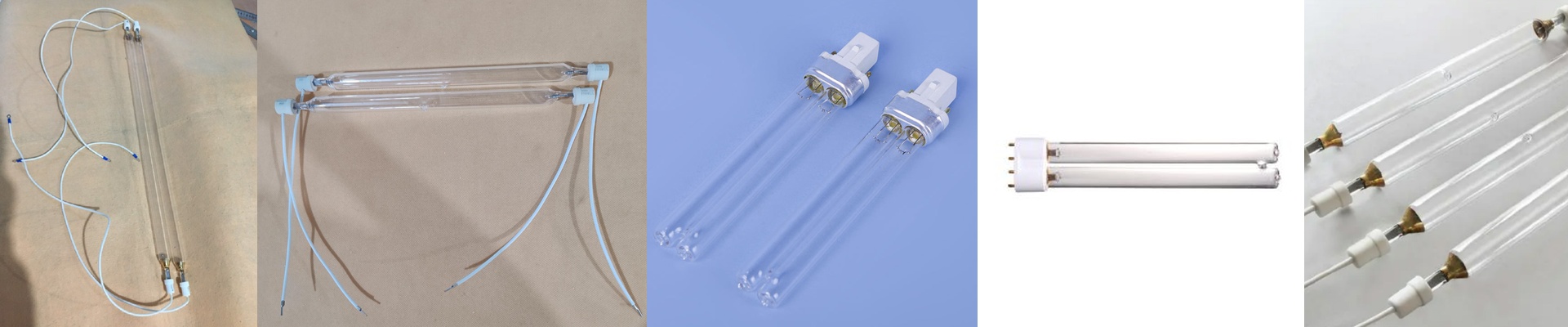
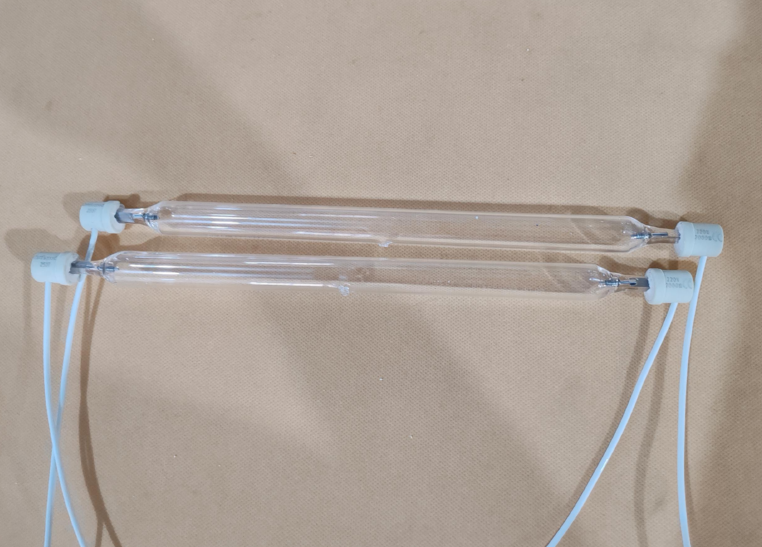
Keeping Things Safe with UV Germicidal Lamps
Look, UV germicidal lamps are great for curing inks or cleaning surfaces in a print shop, but they aren’t toys. They put out UVC radiation—specifically around 253.7 nm—and that stuff doesn’t play nice with people. It can burn your skin and damage your eyes almost instantly. So, when we talk about safety, we’re not talking about a “nice-to-have” feature. We’re talking about keeping your team out of the hospital.
Stop the Leaks
The first thing you need to realize is that the lamp housing isn’t enough. You can’t just trust the plastic or thin metal it comes in. You need real, opaque shielding—think aluminum or stainless steel—that blocks every single bit of that UVC light. If you’re fitting these into a custom press, make sure there is absolutely zero gap between the housing and the conveyor. Just a tiny sliver of light escaping can cause “welding” burns on an operator’s skin in a matter of seconds. It happens fast. Too fast.
Power and Heat
Then there’s the electrical side. Most of these industrial lamps run on high-voltage ballasts. You’ve got to make sure your ballast matches the lamp’s strike voltage and current exactly. I know it’s tempting to over-drive a lamp to get a stronger punch, but don’t do it. You’ll just fry the electrodes and kill the lamp early. And here’s the thing about heat: UVC is the goal, but these lamps put out a ton of infrared heat as a byproduct. If your fans die or something blocks the airflow, the quartz glass gets too hot. This leads to “solarization,” which is basically the glass turning opaque. Once that happens, your UV output tanks. When you’re picking a cooling system, spec it for the total wattage of the whole array. Don’t just guess based on the average.
The “Panic” Switch
Finally, let’s talk about interlocks. Please, just hard-wire a safety switch directly to the power supply. The lamp should die the very second a guard door opens. Don’t rely on someone remembering to flip a manual switch—people forget. Use a fail-safe relay so that if the power cuts out, the system defaults to “off.” It’s a simple setup, but it’s the only way to be sure nobody gets hurt.