How to Actually Scale Your UV Brand (Without the Headaches)
Let’s be honest: building a UV lamp brand is about way more than just slapping a logo on a box. If the hardware doesn’t perfectly match how your customers are actually using it—whether they’re curing ink or killing germs—the whole thing falls apart. That’s where we come in. We handle the messy engineering in the background so you can pick the exact wavelength, power, and shape your project needs.
Getting the Power Right
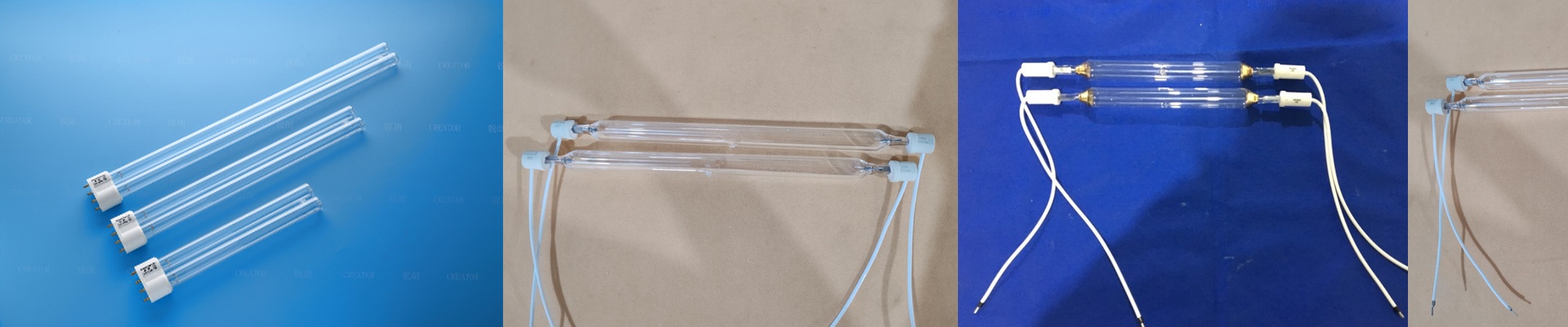
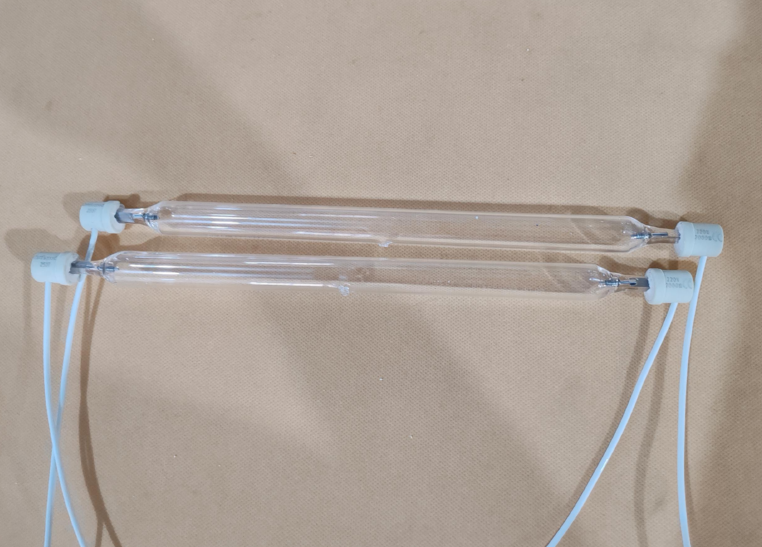
UV performance is a balancing act between wattage and voltage. If you’re building for a high-speed conveyor line, you need raw intensity. You need that ink to dry in a split second, or you’ve got a mess on your hands. We can tweak the tube length and power ratings to hit your specific targets. But here’s the thing: if you cram too much wattage into a tiny tube, things get hot. Really hot. If you don’t plan for cooling fans or water jackets, that quartz is going to crack. We’ll help you figure out the cooling before that happens.
The Nitty-Gritty: Materials and Plugs
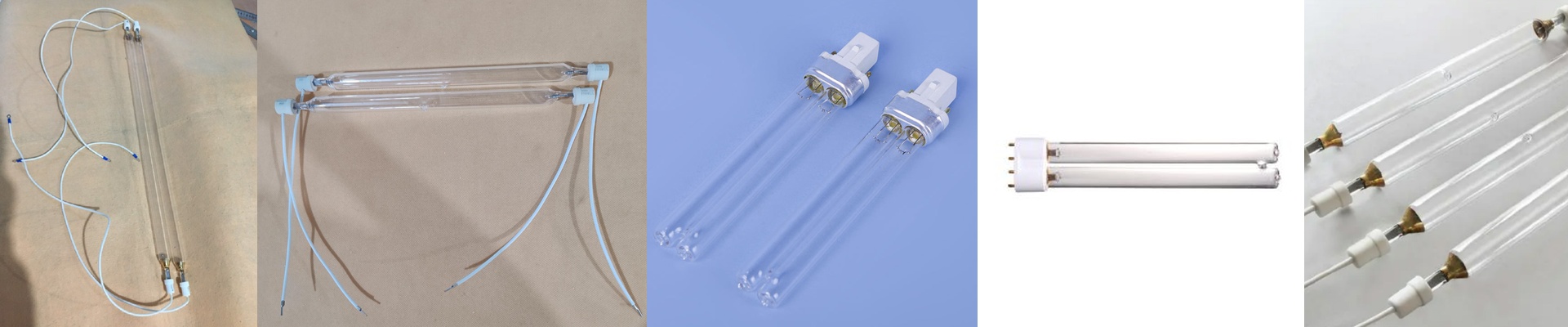
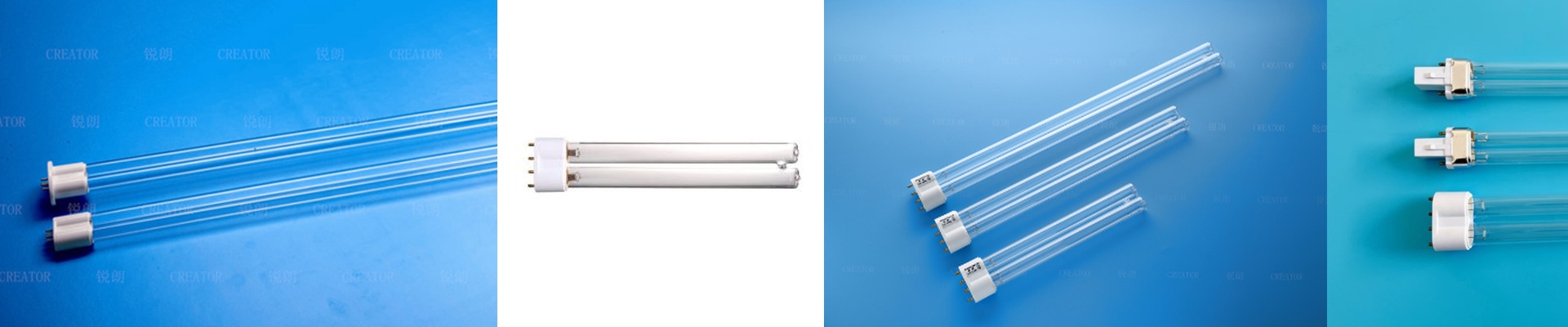
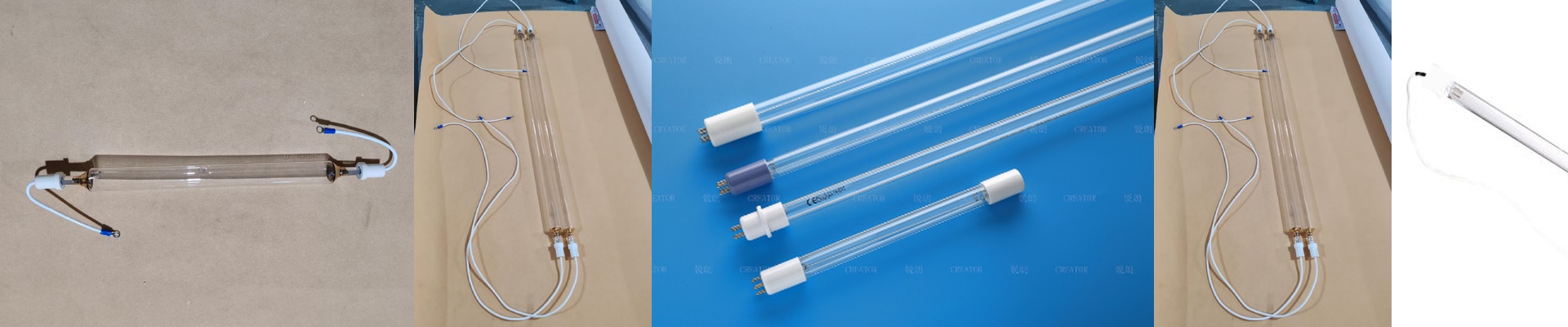
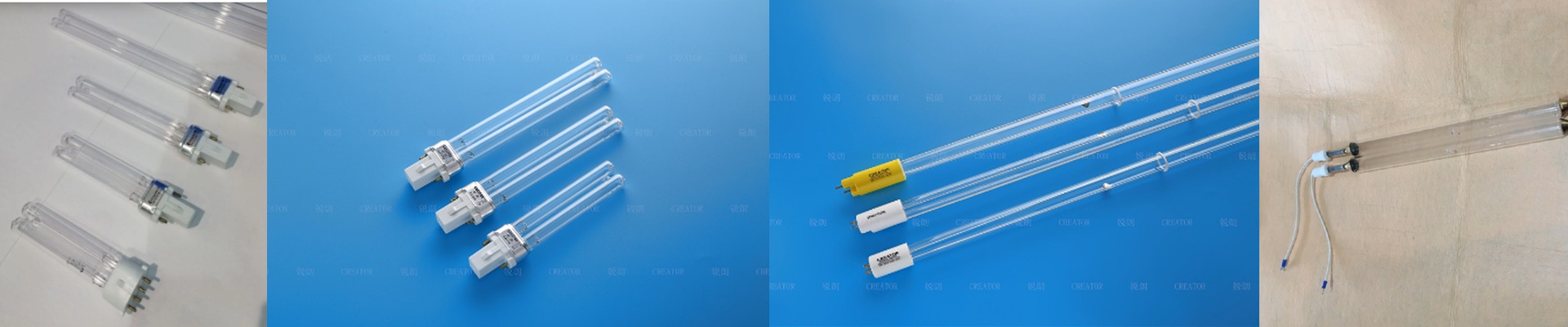
We use high-purity fused quartz because it lets the most light through. Depending on what you’re aiming at, we can add different coatings to shift the light spectrum just right. As for the connections? We stick to the stuff that actually works, like R7s or Sk15 interfaces. They’re basically plug-and-play. Your customers can wire them into their existing ballasts without having to rip out their entire power supply and start over. It just works.
Making It Fit the Real World
Whether it’s PET bottles, medical gear, or industrial glue, the lamp has to fit the machine. We don’t do “one size fits all” because that never actually works in a real shop. Instead, we tweak the electrode placement and the end-caps so the lamps can survive the grit and grime of a factory floor. Plus, we look at your machine’s duty cycle. We match the lamp’s lifespan to how hard the machine is actually running, so your customers aren’t replacing burnt-out bulbs every two weeks.