A Better Way to Handle UV Lamps in Your Printing Plant
We spent some time visiting about 3,000 different printing shops. One thing became obvious pretty quickly: most standard UV setups just aren’t cutting it. We kept seeing the same two headaches—massive power bills and lamps that burn out way too fast. So, we stopped focusing on just cranking up the raw power. Instead, we looked at how to actually get the light where it needs to go.
Cutting the Power Bill (Without Losing the Punch)
Most UV lamps are basically heaters that happen to put out some light. That’s a waste. We spent a lot of time messing with the gas mix and the shape of the electrodes. The goal was simple: make sure as much of that 254nm wavelength as possible actually hits the substrate. The result? You get the same sterilization power, but the wattage per meter drops. Your ballast doesn’t have to work nearly as hard, and your electric bill thanks you.
The Hardware Side of Things
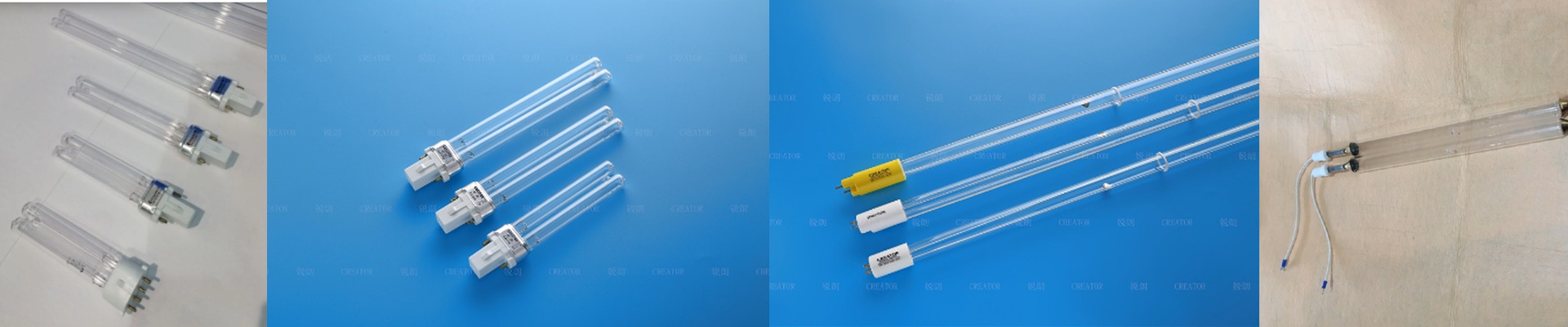
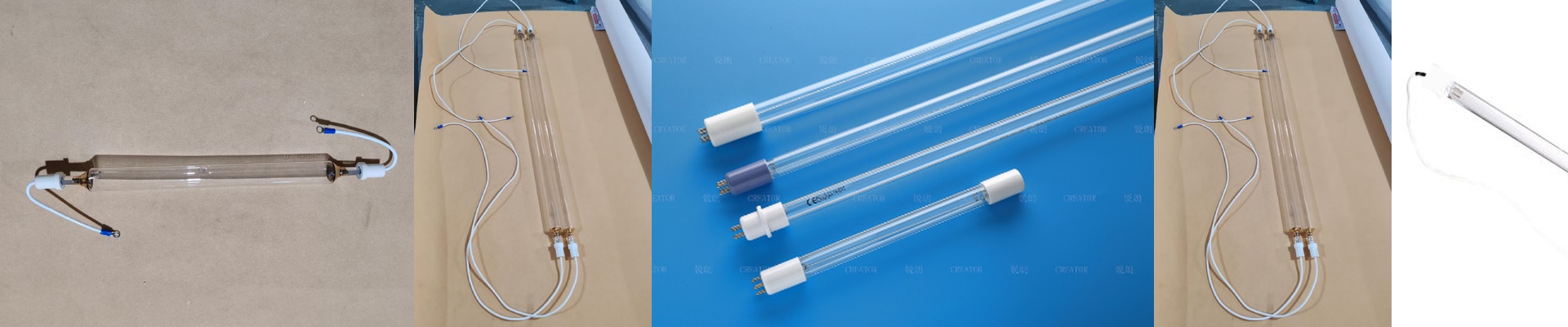
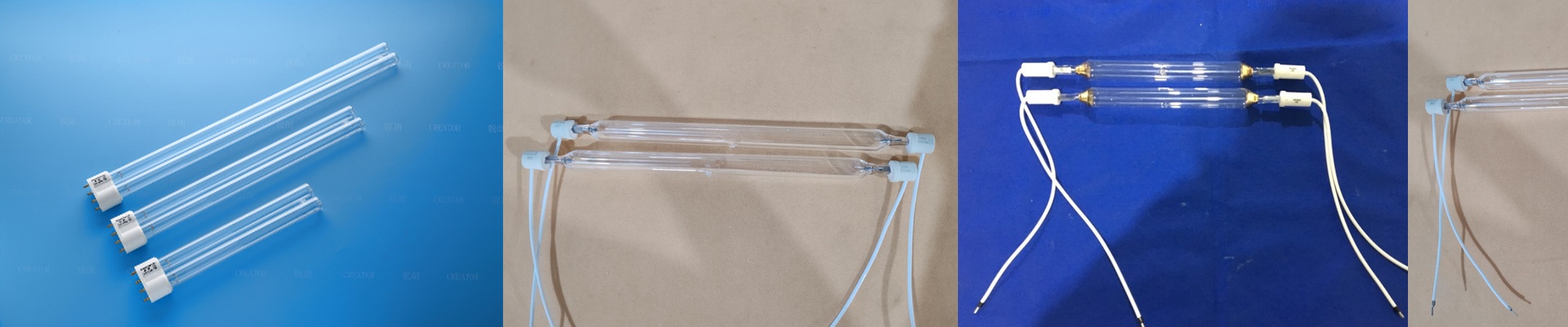
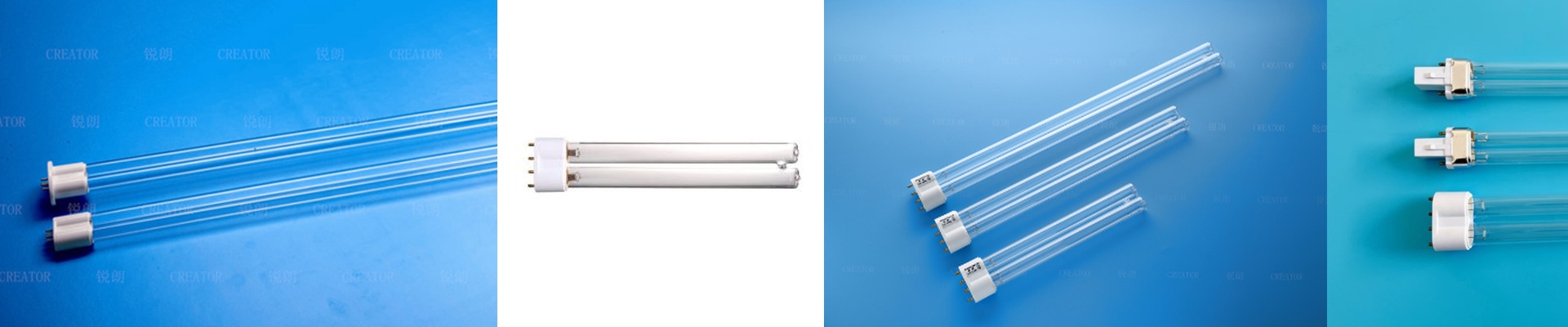
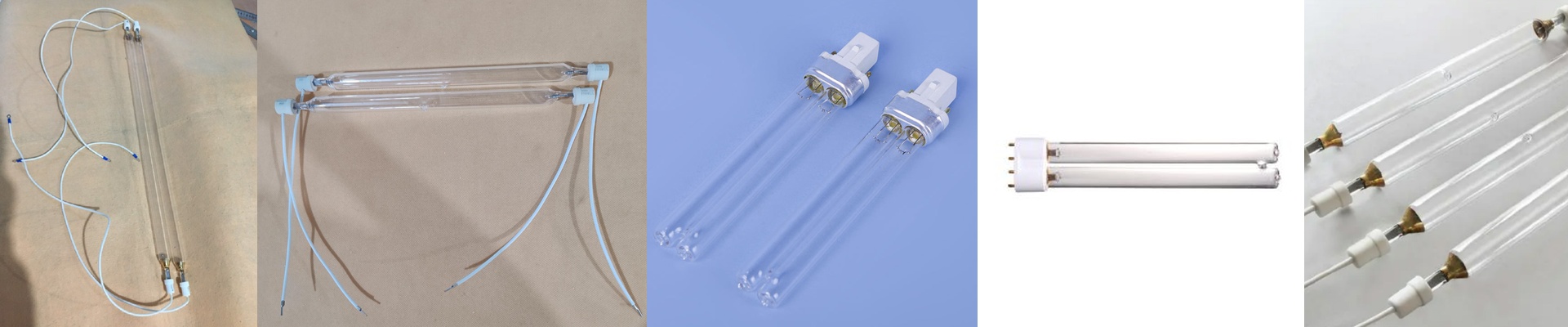
We used high-purity quartz glass because it doesn’t soak up the UV rays like cheaper glass does. We also beefed up the end-caps. If you’ve ever worked around an industrial press, you know the vibration is brutal. Those reinforced caps keep the gas inside where it belongs. But here is a heads-up on cooling. Even though these run cooler than those old halogen systems, the heat is still concentrated in one spot. If your fans are clogged with dust or your airflow is blocked, the lamp surface will overheat. When that happens, the quartz starts to “cloud over.” Once it goes cloudy, your UV output tanks. Keep those reflectors polished and your vents clear. It’s a small chore that saves you a lot of money.
Getting It Onto Your Floor
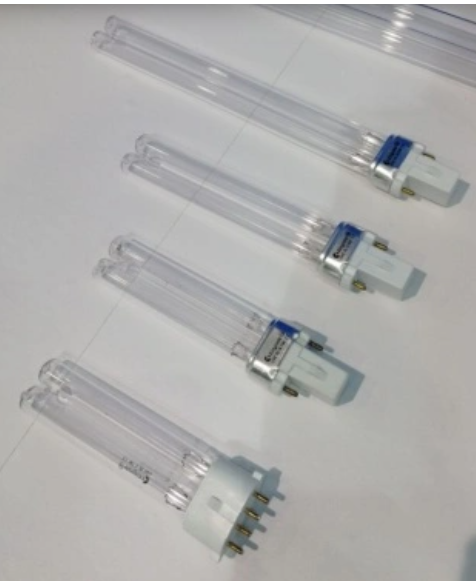
We didn’t want you to have to rip out your entire electrical rack just to upgrade. These are drop-in replacements. They fit the standard footprints and work right out of the box with your existing electronic ballasts. Plus, because they pull less power, your electrical panels aren’t under constant stress. Your cooling system gets a break, too, since it isn’t fighting a losing battle to pull heat out of the machine. We focused on the physics of the arc so the lamp stays steady and stable, even when the press is shaking the whole room.