Why Your UV Lamps Keep Dying (And How to Actually Fix It)
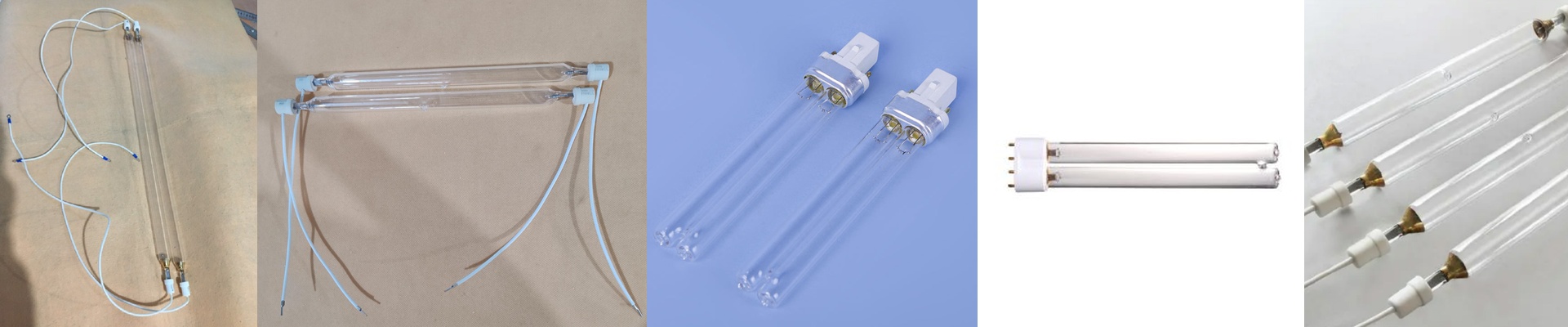
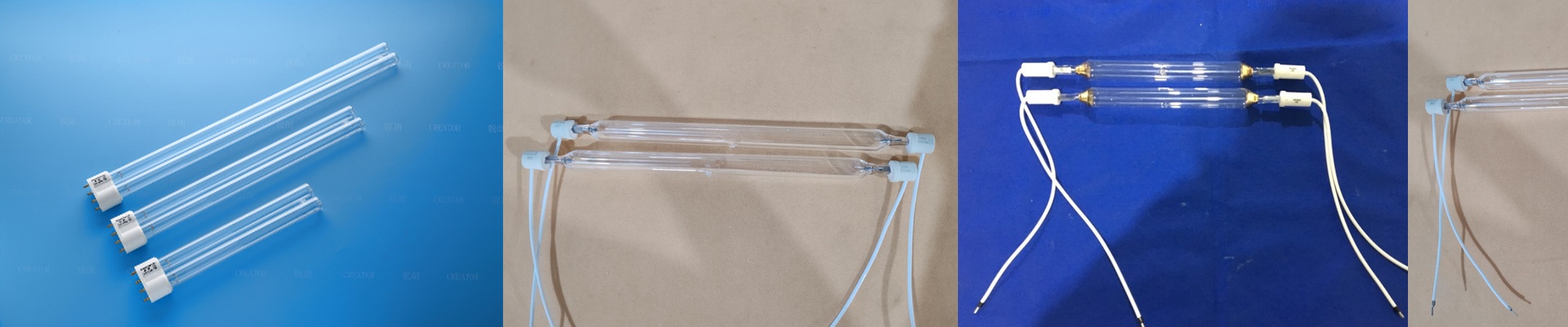
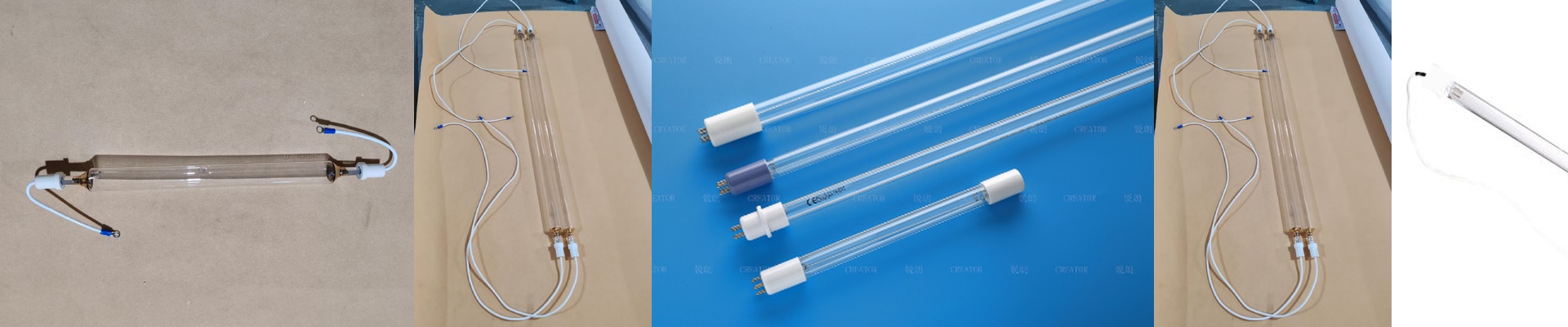
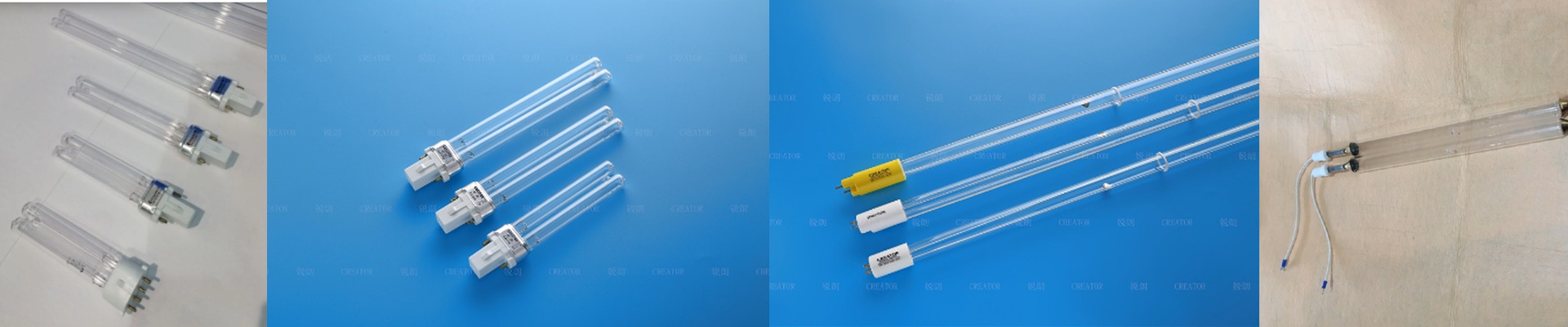
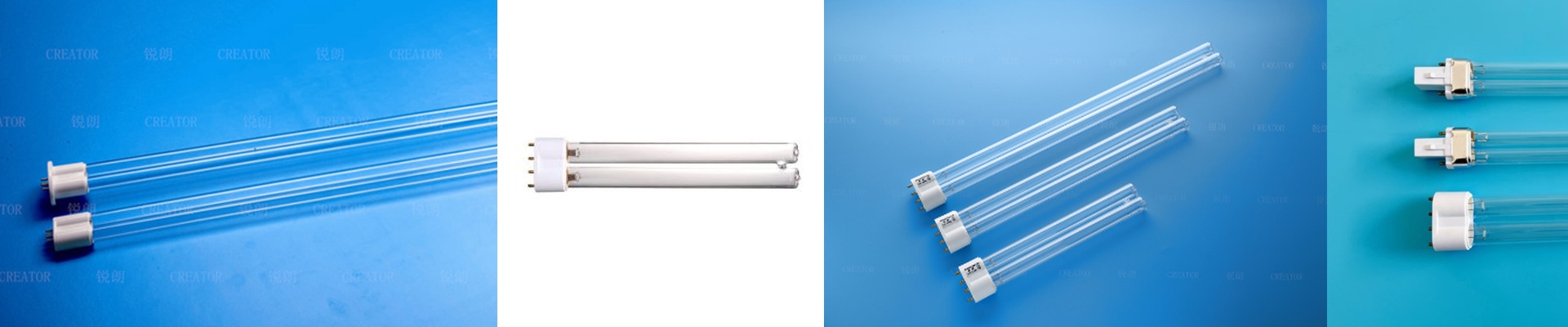
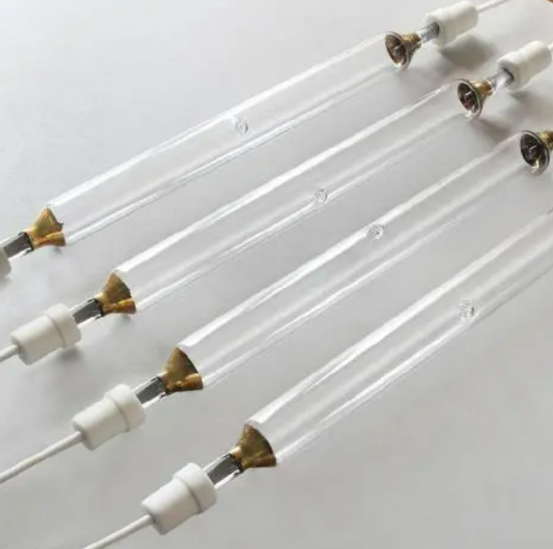
We spent some time visiting about 3,000 printing plants. We wanted to know why “standard” UV lamps always seem to fail the moment they hit a real production floor. Most shop owners told us the same thing: the curing speed is all over the place, and the bulbs burn out way too fast. After looking at enough machines, we realized the problem usually isn’t the bulb itself. It’s that the lamp wasn’t actually designed for the space it’s sitting in. The Heat Struggle Here’s the thing about wattage: more isn’t always better. If you push too much power into a reflector that can’t handle it, you’re just going to scorch your materials. We focus on the spectral output—specifically that 365nm to 395nm sweet spot. That way, the ink cures properly before the paper or plastic starts to warp. Sure, high-intensity lamps let you run the line faster. But if your chiller can’t keep up with the heat, your lamp’s lifespan is going to tank. It’s a balancing act. Getting the Fit Right There is nothing worse than trying to force a replacement lamp into a socket that doesn’t quite fit. We use precision-ground ends so the pins seat perfectly in the ballast. Why does that matter? Because loose connections cause arcing. That little spark fries the electrodes and kills the lamp before it even gets a chance to work. Plus, we switched to a reinforced quartz glass. Industrial shops are vibrating, loud, and chaotic—your glass shouldn’t crack just because the machine is humming. Stability Over Hype No lamp lasts forever. It’s just a fact. But you have to decide what you value more: a huge burst of power at the start, or a steady performance over time. Some lamps hit a massive peak on day one and then drop off a cliff. Others take a minute to ramp up but stay rock-steady for 2,000+ hours. For high-volume shops, stability is the only thing that matters. You want a predictable cure every single time. One last tip: plug your setup into a stabilized power source. Voltage spikes are silent killers—they’ll pop your filaments without warning.