Let’s Talk About UV Curing in Textiles
Most people think UV lamps are just for drying ink. But in a real textile plant? They do way more than that. We’re talking about triggering a chemical reaction—photopolymerization—that happens everywhere from the first fiber coating to the final touch on a garment.
Where it actually happens
Right at the start, we use UV lamps for sizing and coating. Basically, we put polymers on the yarn so it doesn’t snag or rub during weaving. High-intensity UV hits those resins and sets them instantly. It’s the only way to make sure the coating actually stays put. Then you’ve got digital printing. Here, the lamps lock the ink onto the fabric surface. You have to be careful with the wavelengths; get it right, and the pigment bonds perfectly. Get it wrong? You’re looking at ink that peels off or, even worse, fabric that starts turning yellow. Nobody wants that.
The nuts and bolts of the hardware
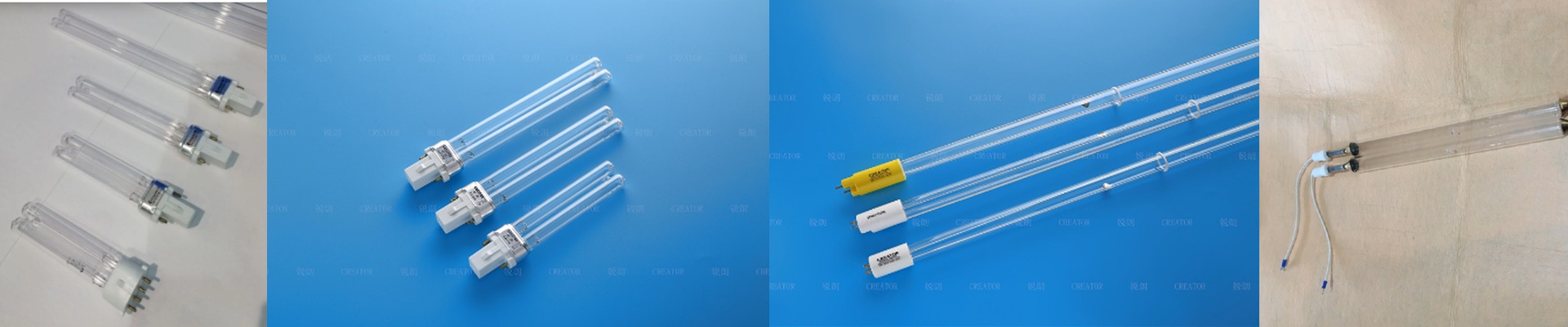
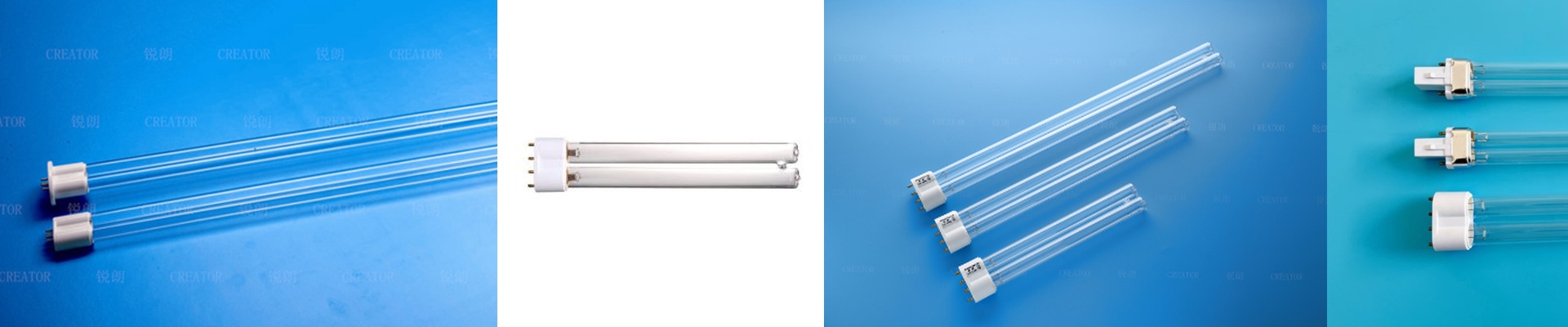
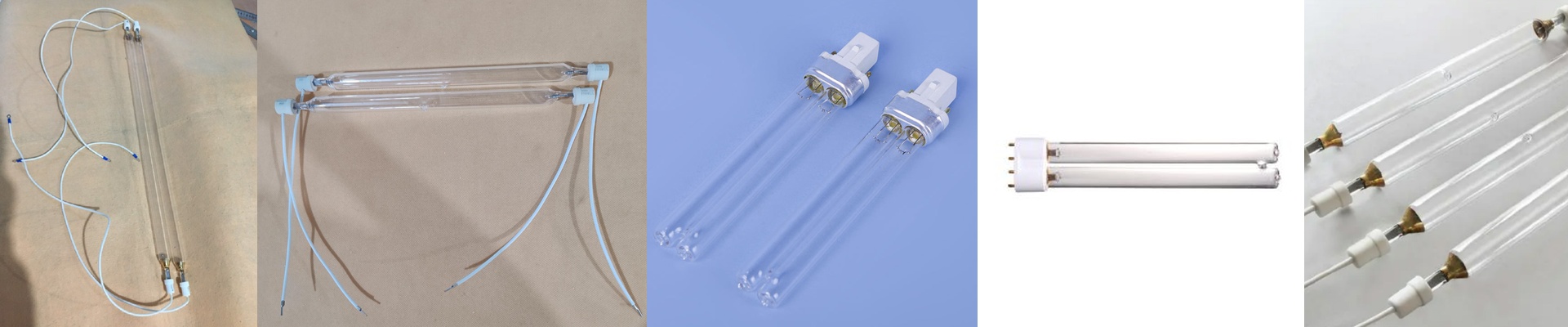
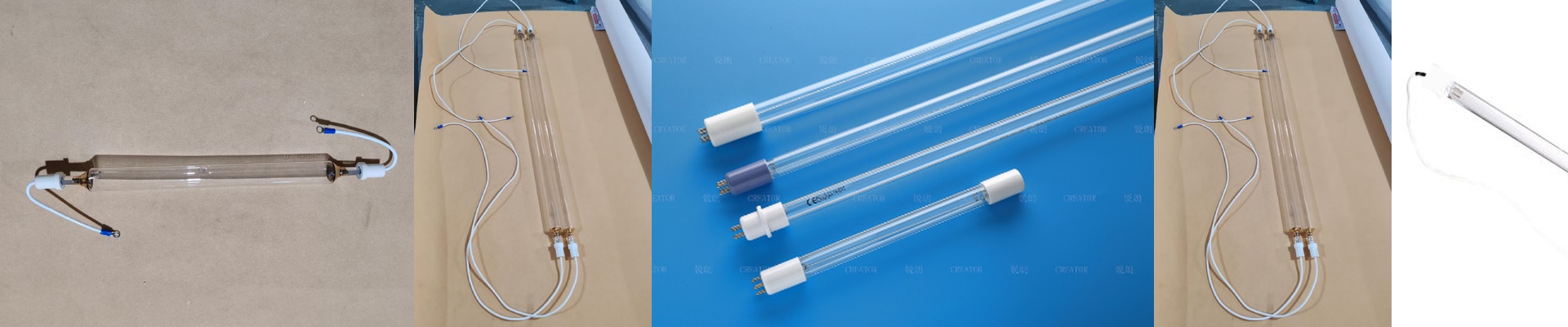
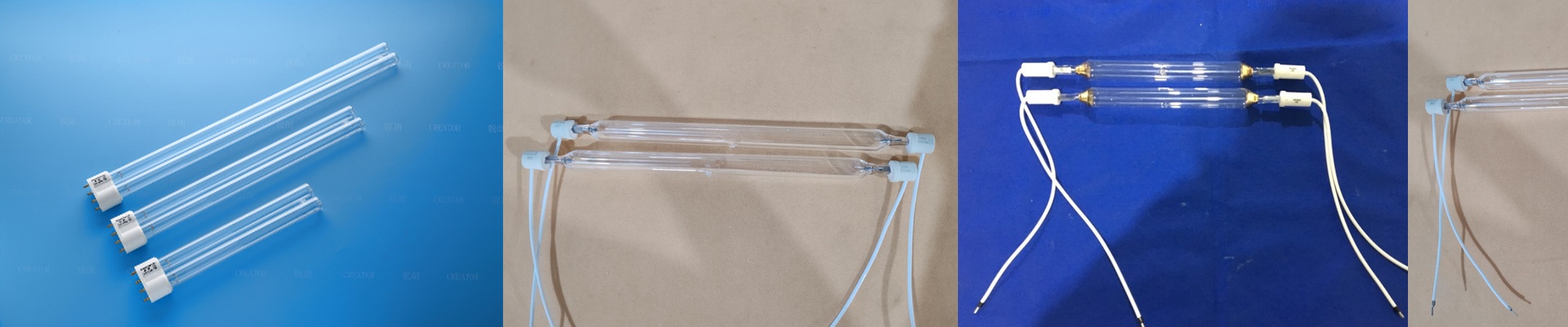
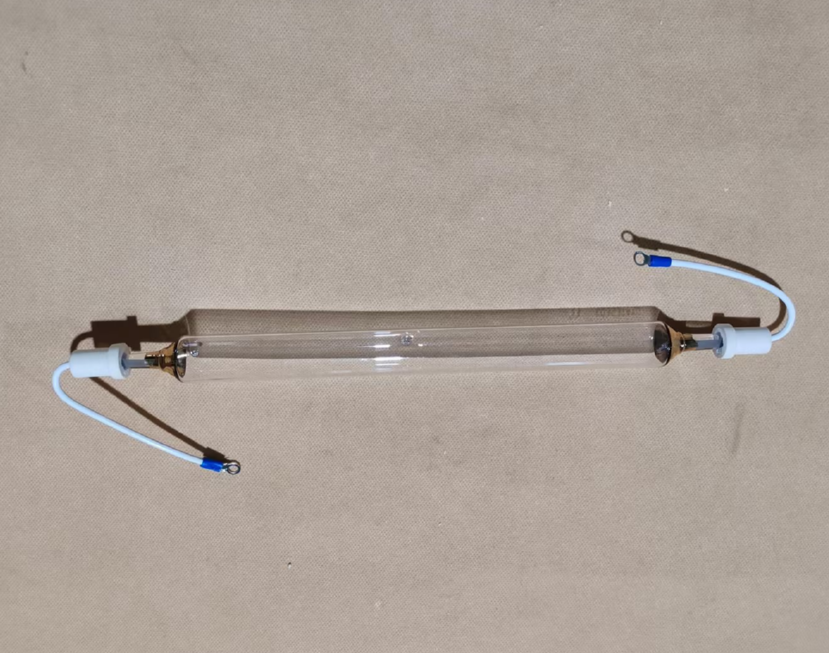
We build these things to survive a factory floor. Depending on how fast your line moves, you’ll either use mercury-vapor lamps or LED arrays. If you’ve got a conveyor belt screaming along, you need high-wattage tubes to get enough power into the material. One pro tip: watch your measurements. If the lamp doesn’t fit the curing chamber perfectly, you’ll get “cold spots.” That’s where the ink stays tacky and ruins the batch. We use quartz glass because it lets the UV light through without blocking it, but keep in mind that this glass takes a beating from heat and chemicals. Eventually, it gets cloudy. When that happens, just swap them out to keep your output steady.
The trade-offs you should know about
Here’s the thing: high-output UV systems get hot. Really hot. If you crank up the wattage to speed up your line, your cooling fans have to work overtime. If your heat sinking isn’t up to the task, you risk warping the fabric or killing the life of your lamps. We’ve designed these to fit right into most European or Chinese machines. They’ll plug into your existing ballast, but**please check your voltage first.**Some people try to over-volt a lamp to squeeze out a bit more speed. Don’t do that. You’ll burn the lamp out in a few weeks. Just stick to the rated specs and you’ll have a smooth, stable run.