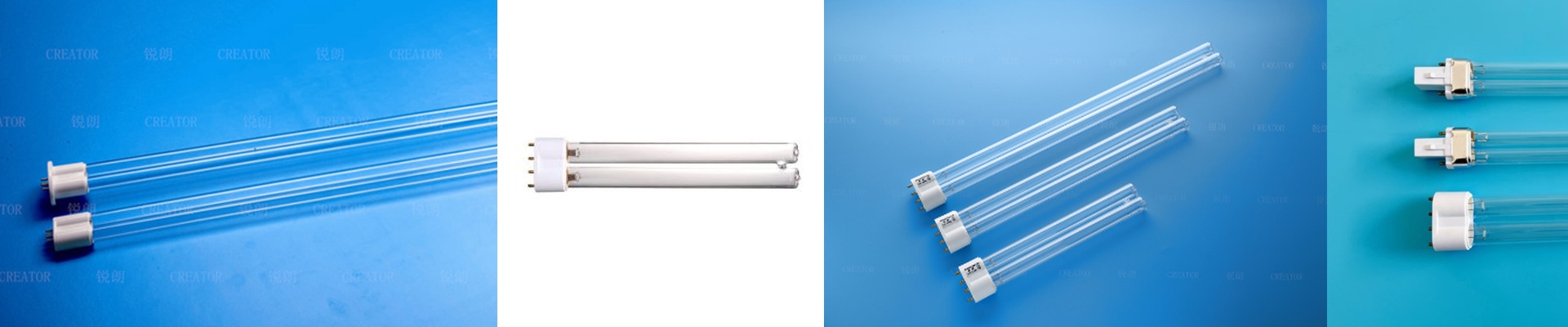
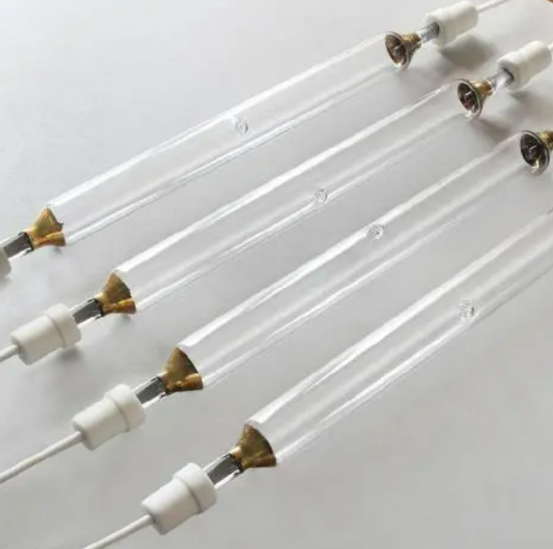
Getting the Most Out of Gallium Iodide Lamps
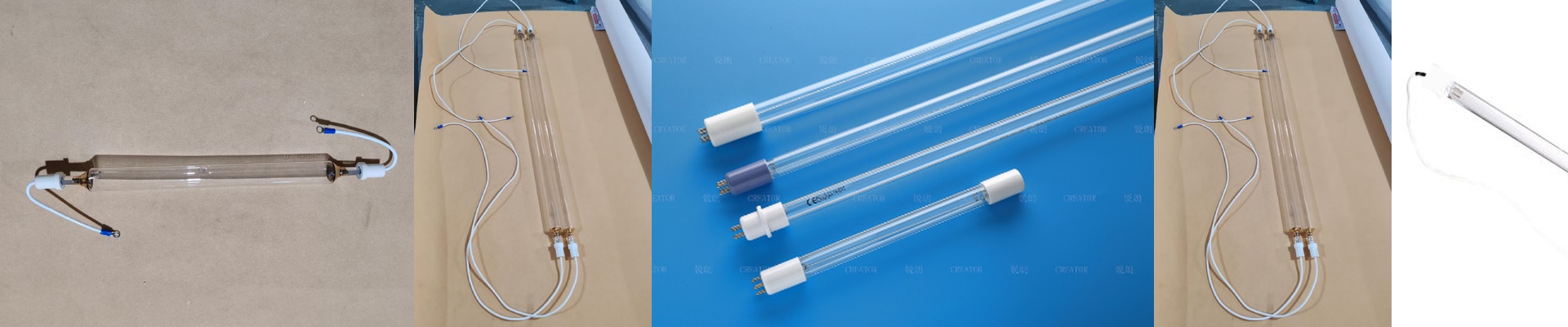
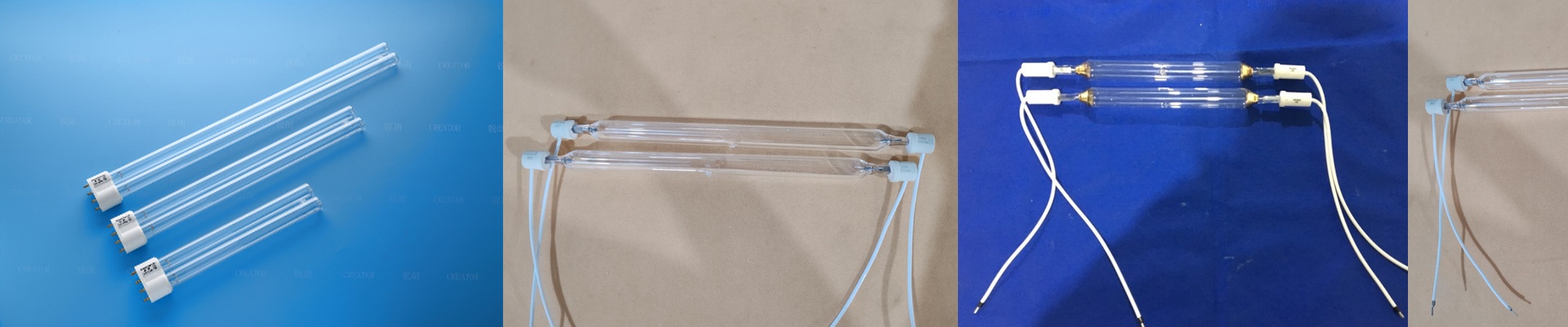
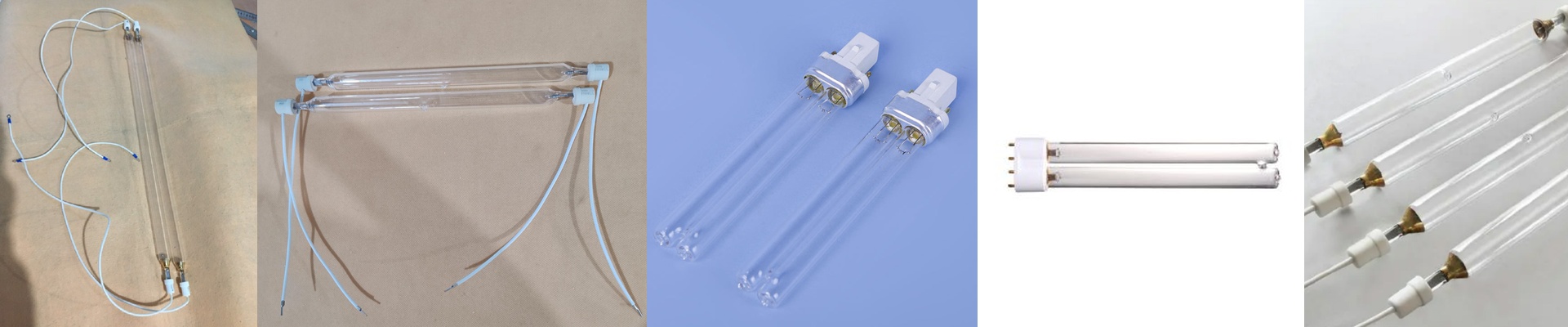
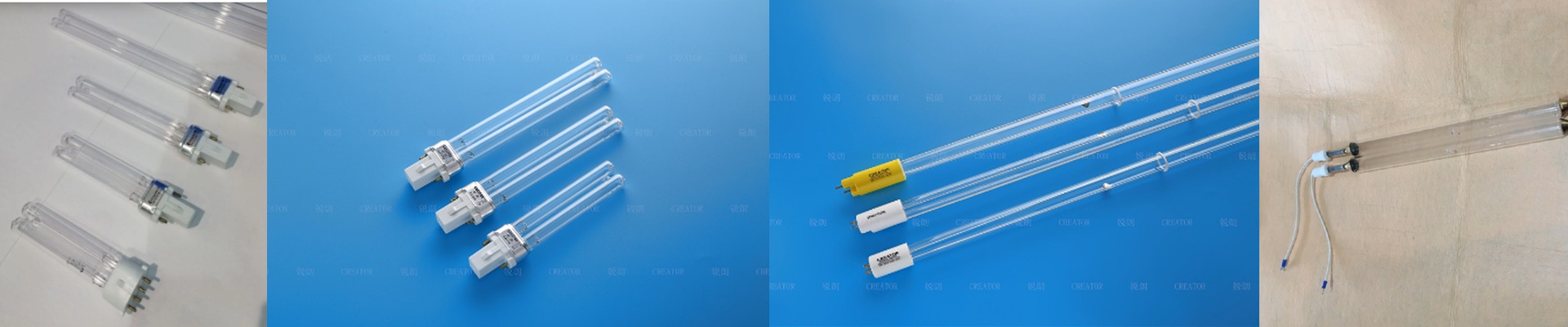
Most people look at a curing lamp and just see a heat source. But if you’ve spent any time on a production line, you know it’s more like a precision tool. We use Gallium Iodide (GaI) lamps because they hit a very specific sweet spot in the ultraviolet spectrum—right between 300nm and 400nm. That’s the magic window for those stubborn adhesives and coatings that just won’t set under a standard mercury lamp.
The secret sauce
We build these things to push out high intensity without the flickering or instability you get with older UV sources. Because the GaI chemistry creates a narrower peak of energy, you’re hitting the resin’s photoinitiator exactly where it needs to be hit. It’s efficient. You can crank up the speed of your line without worrying about scorching your materials.
The practical side of things
When you hook these up to your PLC system, you aren’t just flipping a switch. You’re managing heat. We spent a lot of time designing the housings to make sure that heat doesn’t bleed into your conveyor. But a word of advice: if you’re running at max wattage,**don’t skimp on the cooling fans.**If the airflow is bad, your bulbs will burn out way too fast, or your curing window will start to drift. It’s a headache you don’t want.
Moving past the “timer” mentality
The old way was “set the timer and hope for the best.” That doesn’t cut it anymore. Now, we’re pairing GaI lamps with real-time sensors. This lets you tweak the power on the fly based on how thick the coating is. It saves you from over-curing, which is usually why plastics end up feeling brittle and snapping. Plus, these are drop-in replacements for your old UV gear, but they pack a much harder punch. Since the energy density is higher, you can actually shrink your machine’s footprint. You can squeeze more curing stages into a shorter line, which is great for floor space. Just keep an eye on your belt speed. You’ll need to keep those tolerances tight to make sure everything cures evenly.