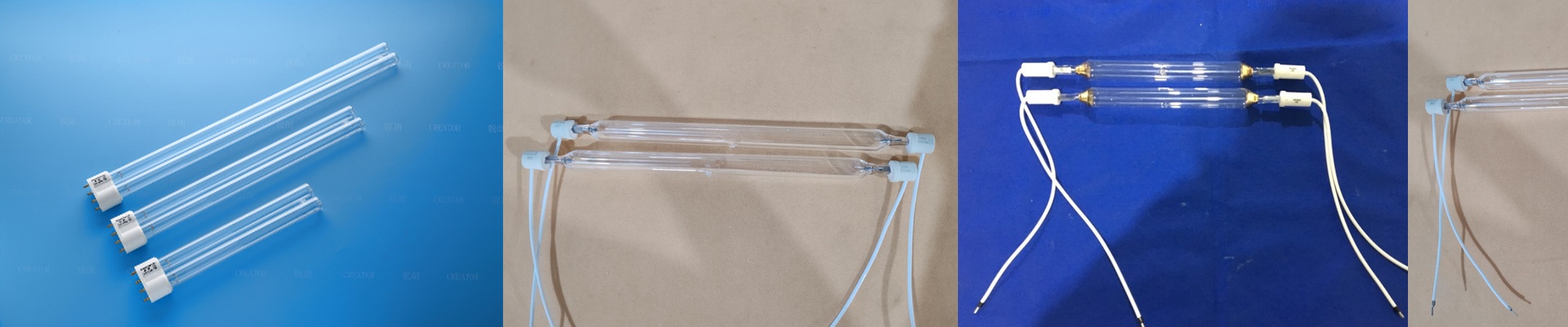
Getting Your PCB Curing Right with Gallium Iodide Lamps
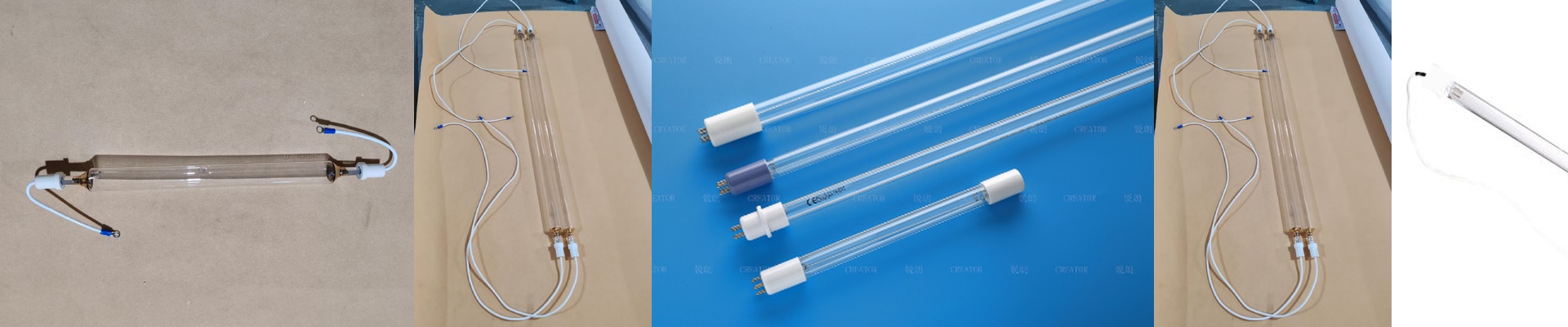
If you’re running a PCB line, you know the struggle with photoresist curing and dry film lamination. Standard mercury lamps are fine for some things, but they often just don’t hit the mark. That’s where gallium iodide lamps come in. We’ve designed these to push the UV light deeper into those resist layers, making sure the cure is solid all the way through.
The Nitty-Gritty on Power and Heat
We build these lamps to push out high intensity without blowing out the electrodes. But here’s the thing: you have to get the wattage and voltage right for the length of the tube. If you try to cram too much power into a short tube, the quartz envelope gets way too hot. That thermal stress is a nightmare—it can crack the glass or mess up the gallium iodide filling inside. Plus, if your cooling system can’t keep up with the heat, you risk scorching your resist. Not a good look.
Customizing for Your Setup
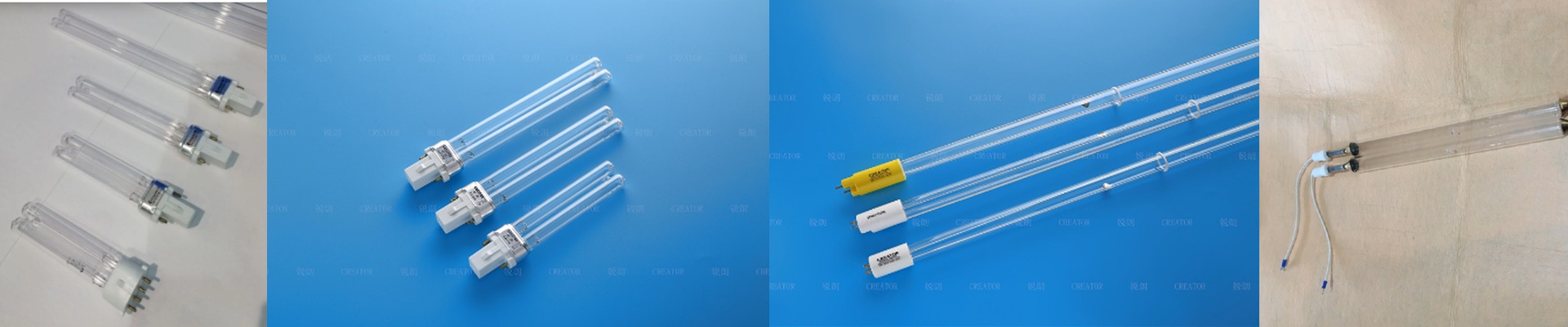
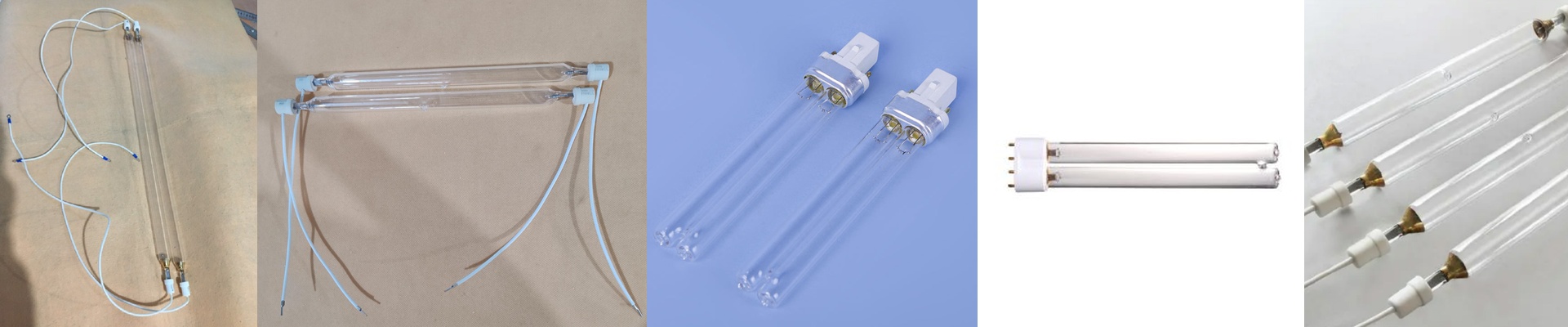
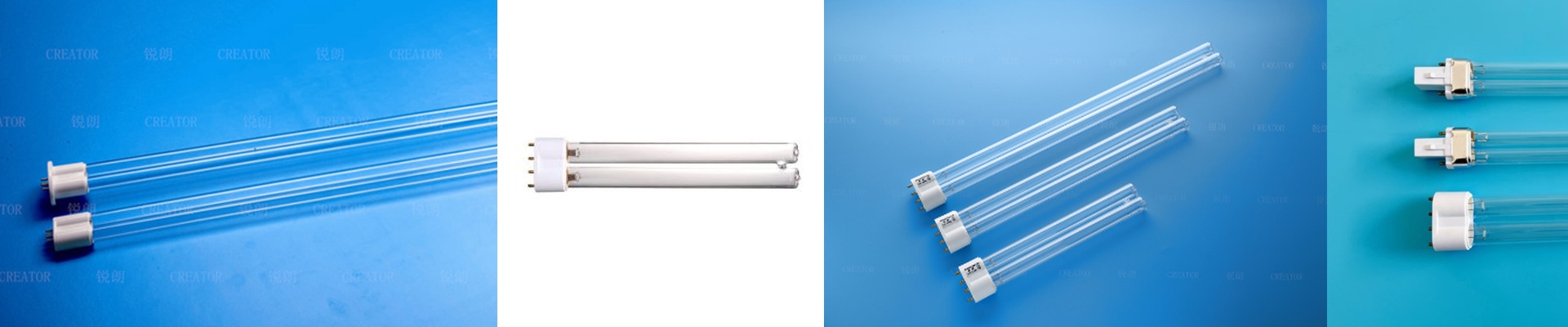
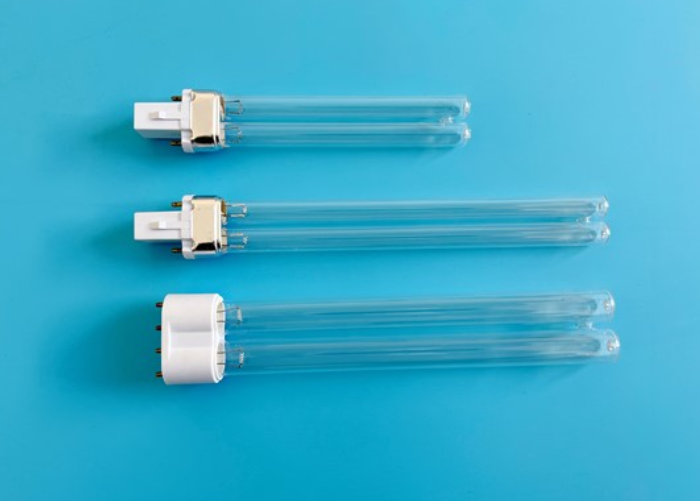
We use high-purity fused quartz because we don’t want the glass absorbing the UV light you’re paying for. For our OEM partners, we make these “drop-in” ready. Whether you need a specific pin layout, a weird length, or custom end-caps, we’ll make sure they fit your existing housings and play nice with your ballast. And we can even tweak the gallium concentration. If you’re working with a thin mask, we’ll set it one way. Thick solder resist? We’ll adjust the peak wavelength to handle that. It’s all about getting the right tool for the specific job.
Making it Work on the Line
The real win here is speed. When you crank up the UV intensity, you can speed up your conveyor belt without worrying that the boards aren’t curing deep enough. It just works. But you can’t just “set it and forget it.” The iodide filling wears down over time. I always suggest a strict replacement schedule based on your run-hours. If you wait too long, you’ll start seeing inconsistent cures between batches, and that’s a headache nobody wants. One last tip: keep your wiring clean and your voltage stable. If the lights flicker, you’ll get “striping” on your boards. And trust me, catching that after a thousand boards have gone through is a bad day at the office.