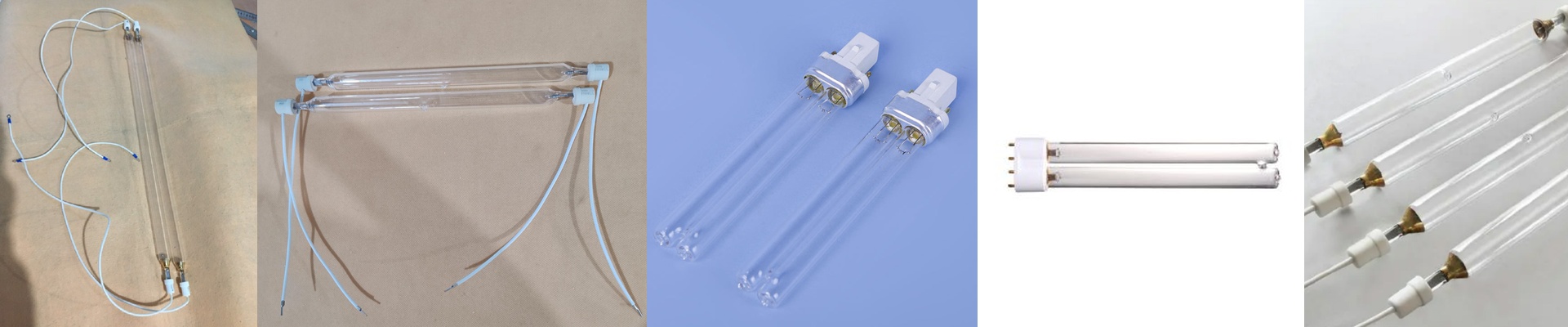
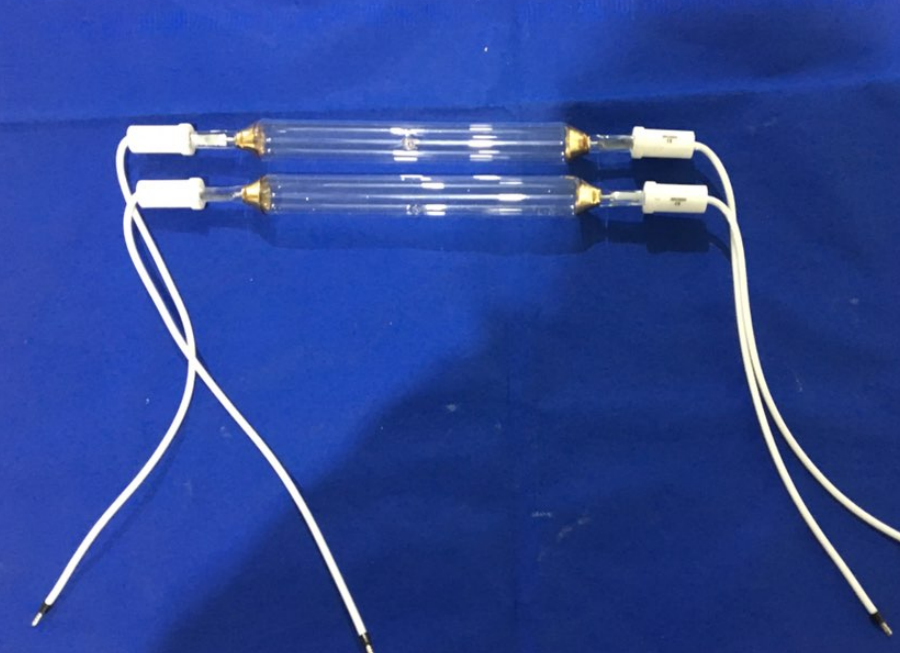
Getting Your Industrial Curing Right: A Look at High-Pressure Mercury Lamps
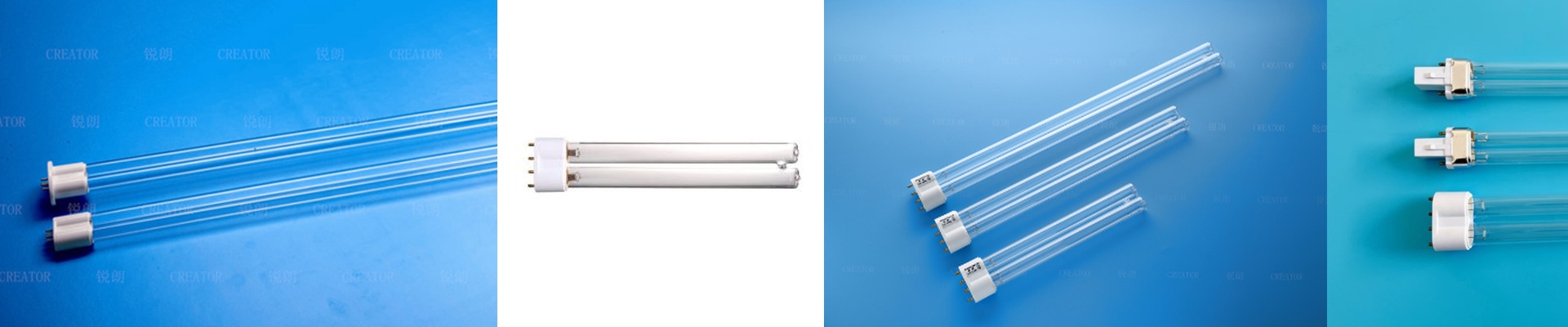
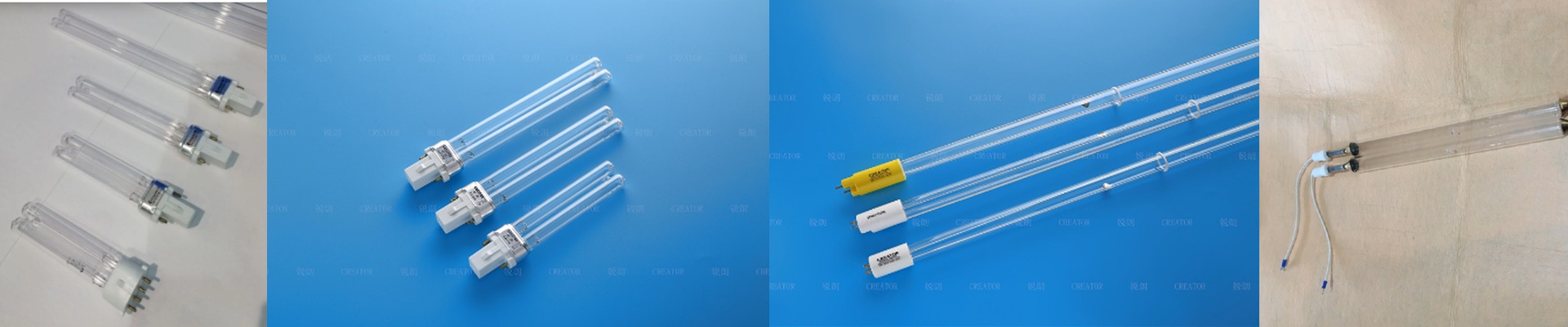
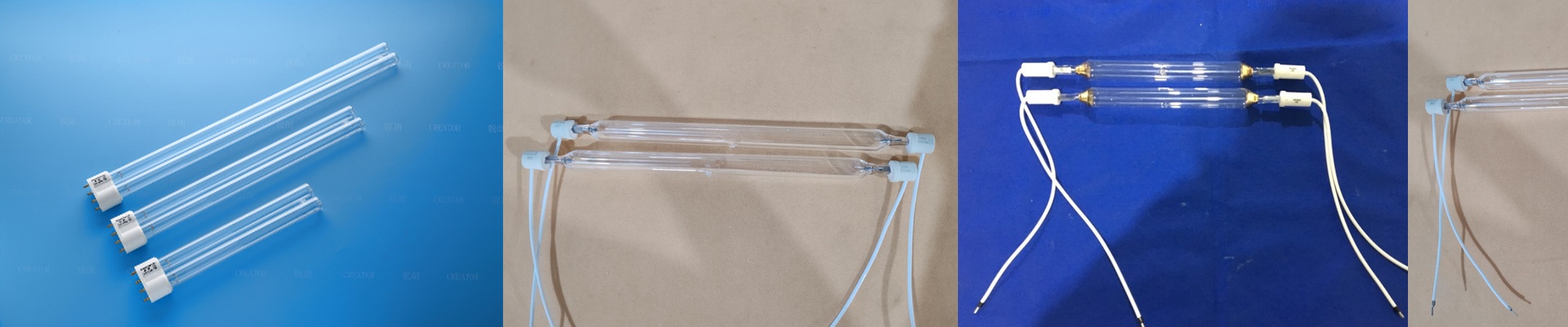
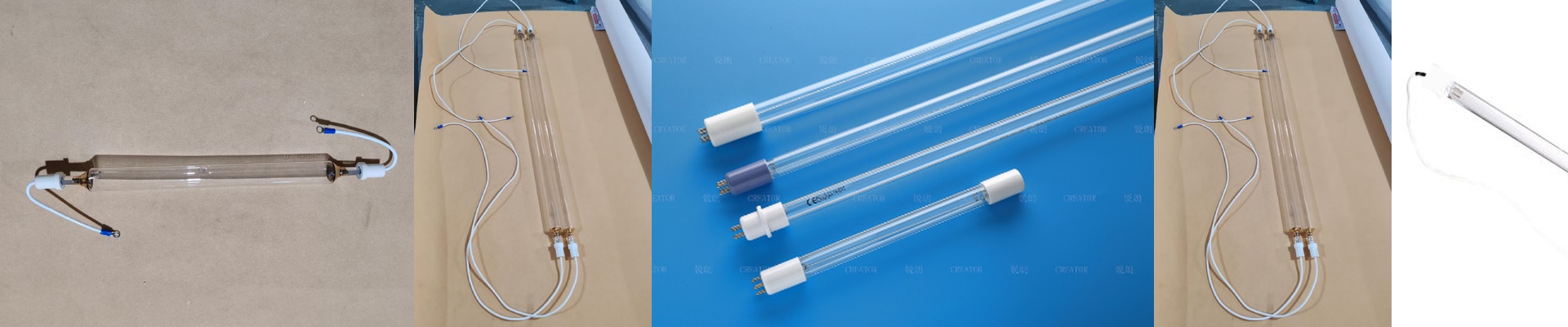
If you’re working with industrial inks and coatings, you know the struggle. You need that ink to set now. No smudging, no bleeding, just a clean, hard finish the second it hits the conveyor. That’s where our high-pressure mercury lamps come in. They do the heavy lifting by turning electricity into the kind of short-wave radiation that triggers your photo-initiators instantly.
What’s actually happening inside the bulb?
Here is the thing: these lamps work by pushing an electric arc through vaporized mercury. We crank up the internal pressure on purpose. Why? Because that shifts the light spectrum, giving you a massive hit of UVC and UVB rays. You need that specific punch to get through thick layers of ink. Now, you’ll hear people talk about power density. In plain English, that just means more wattage per millimeter equals faster curing. But there’s a catch. The more power you shove in there, the more stress you put on the quartz glass. It’s a balancing act.
Heat, Glass, and the Danger Zone
We don’t use regular glass. It would either melt or block the UV light entirely. Instead, we use high-purity fused quartz. The real trick is the seal where the electrodes meet the quartz. These parts expand and contract at different rates when they get hot. If that seal isn’t perfect? The lamp pops. Just like that, it’s gone. And let’s be honest about the heat. High-wattage tubes throw off a ton of infrared energy. It’s just part of the deal. If you aren’t careful, you’ll warp your substrate or even scorch your product. That’s why you’ve got to get your cooling right—whether that’s blasting it with forced air or using water-cooled jackets to pull that heat away.
Making it work on your shop floor
We designed these to be simple drop-in replacements, so you aren’t rebuilding your whole array. But here is a pro tip: check your ballasts. Make sure the voltage and current match the lamp specs exactly. If they’re mismatched, your electrodes will wear out way faster than they should. We focus on keeping the light output steady for as long as possible. Why? Because consistency is everything. The moment your UV intensity dips, your ink stays tacky. Then your scrap rate spikes, and suddenly you’re losing money. Nobody wants that.