Stop Selling Generic UV Lamps—Start Building a Brand
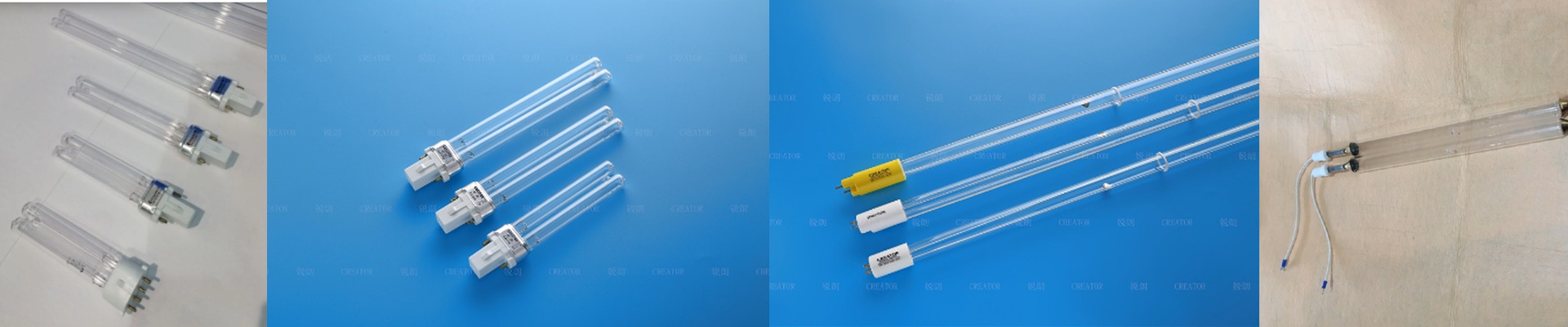
If you’re looking to break into the UV lamp market by 2026, you’ve probably realized that just buying generic tubes and slapping a label on them isn’t going to cut it. You’ll get lost in the noise. The real way to make a name for yourself is to own the technical side of things. That’s where we come in. We handle the OEM side, meaning you tell us the wavelength, the power density, and the exact shape you need to fill a gap in the market, and we build it.
Getting the Output Right
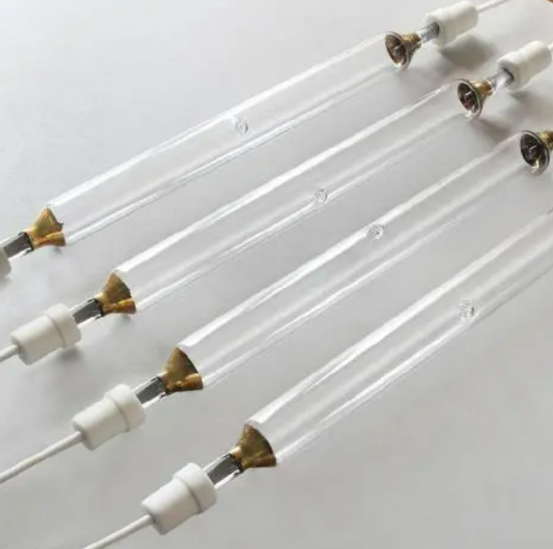
Here’s the thing: UV lamps aren’t a “one size fits all” deal. If you’re going after germicidal sterilization (UVC), you need a completely different gas mix and quartz grade than you would for industrial curing (UVA). We let you call the shots on wattage and voltage so your lamps actually work with the ballasts your customers already have. But a quick heads-up: if you push for crazy high intensity to speed up a curing line, your lamp life is going to take a hit. It’s a simple trade-off. You get more speed, but you’ll be replacing the bulbs more often.
The Nitty-Gritty of Fitting In
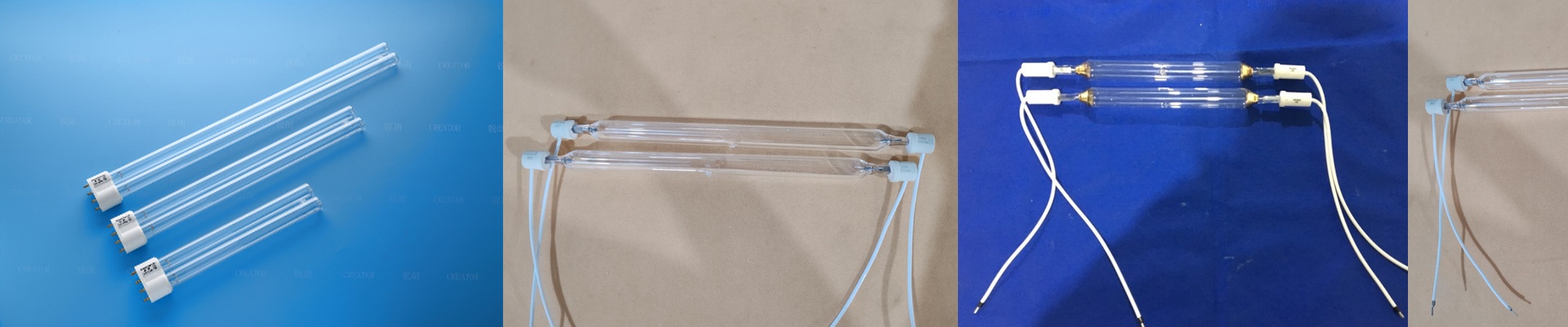
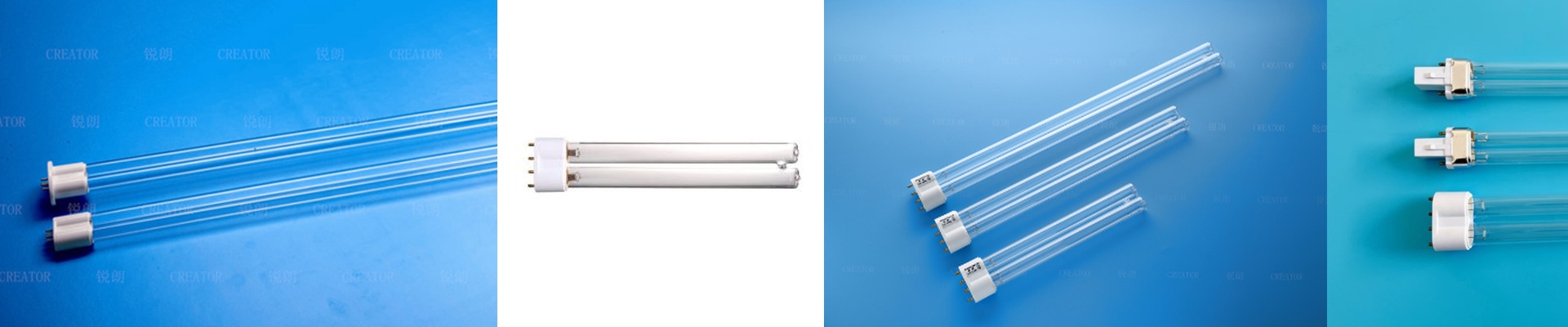
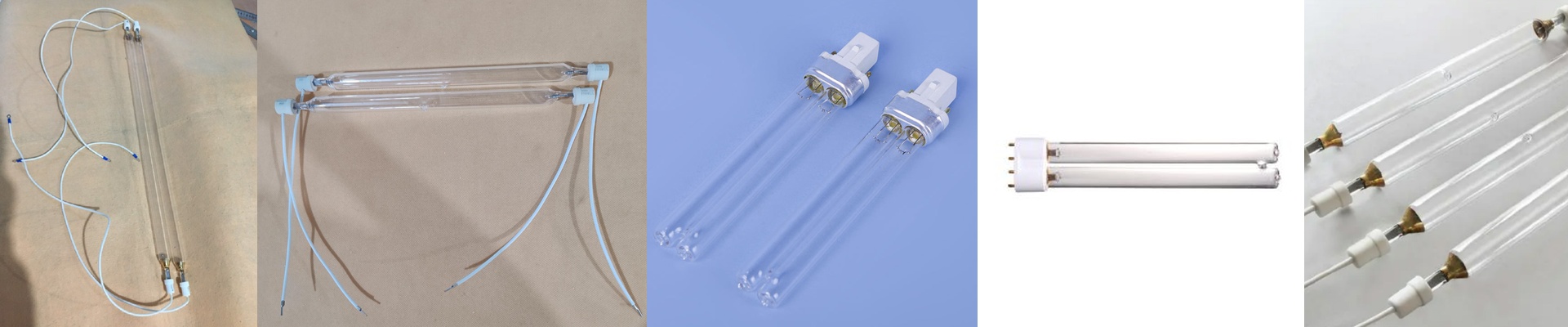
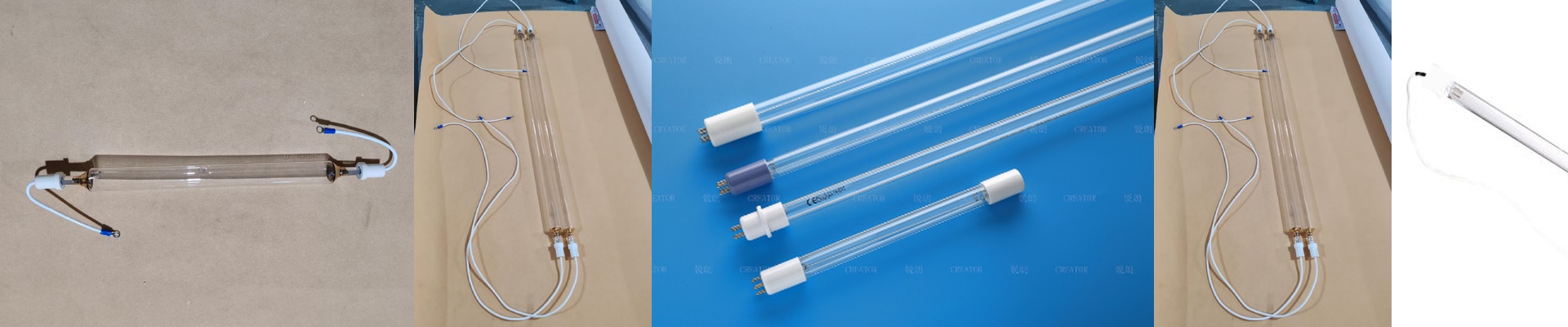
A lamp is useless if it doesn’t fit. We’ve all dealt with the frustration of a part that’s almost right but doesn’t quite click. To avoid that, we offer all sorts of end-cap configurations and connectors. We want these to be “drop-in” replacements for old systems. Whether you’re dealing with PET blowing machines that need a specific length or water treatment sleeves with a weird diameter, we’ll machine the hardware to fit your footprint. We even handle your branding on the casing and packaging. When the shipment hits your warehouse, it’s ready to go.
How to Actually Win as a Wholesaler
Most distributors fail because they try to sell “generic UV.” Boring. Nobody cares about a generic tube. You win when you sell a fix for a specific headache. Use our OEM service to carve out a niche. Maybe you create a high-output line specifically for automotive clear-coat curing. You set the specs, we build the gear. Just one tip: make sure your customers have the cooling systems to handle the heat of those high-wattage tubes. If they don’t, they’ll burn out their sockets in a month, and you’ll be the one dealing with the phone calls.