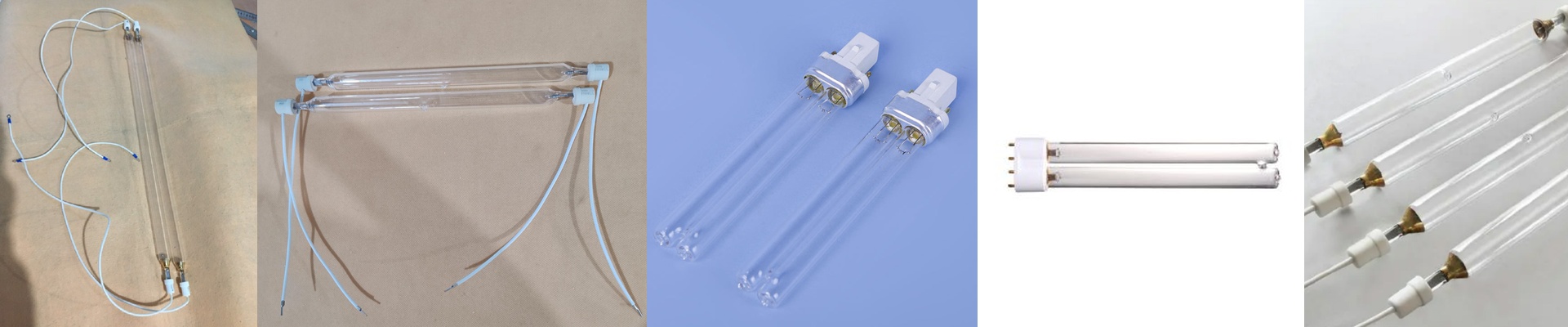
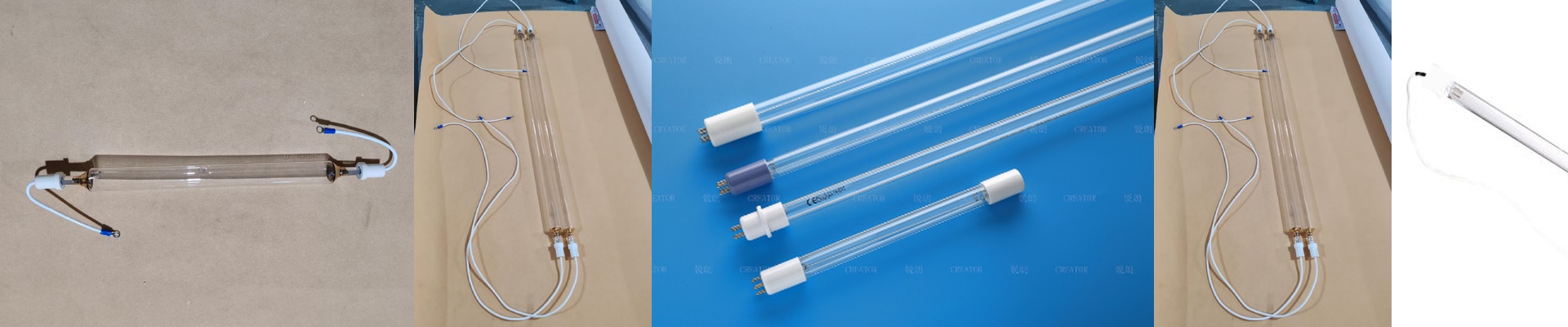
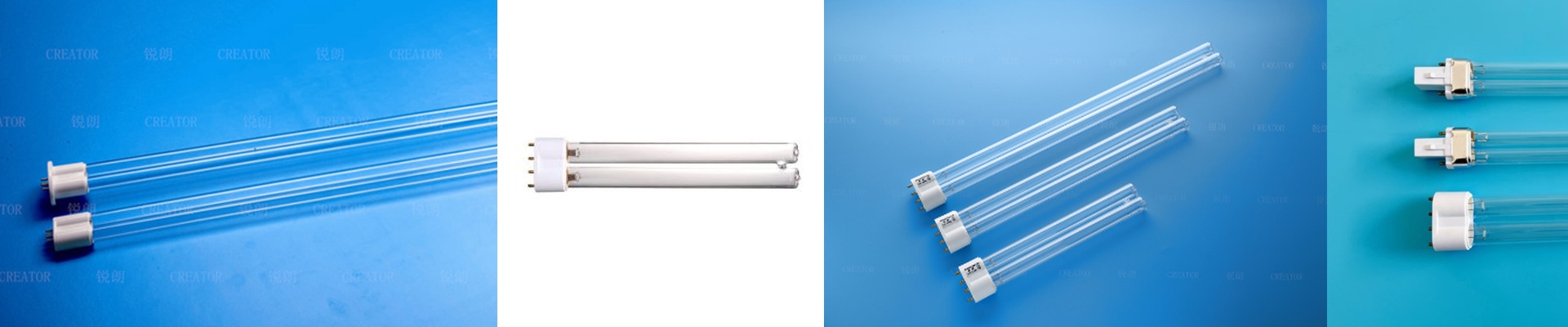
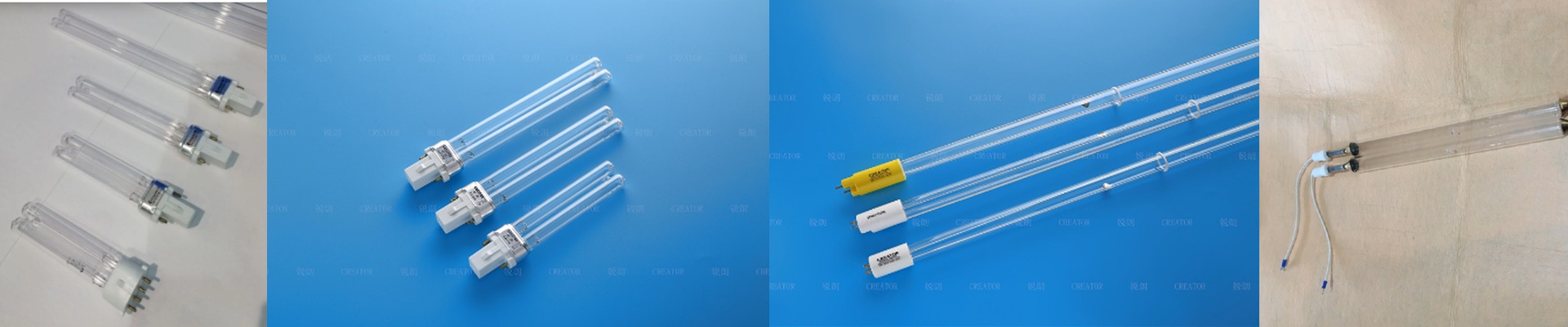
Getting Your Curing Right with Gallium Iodide UV Lamps
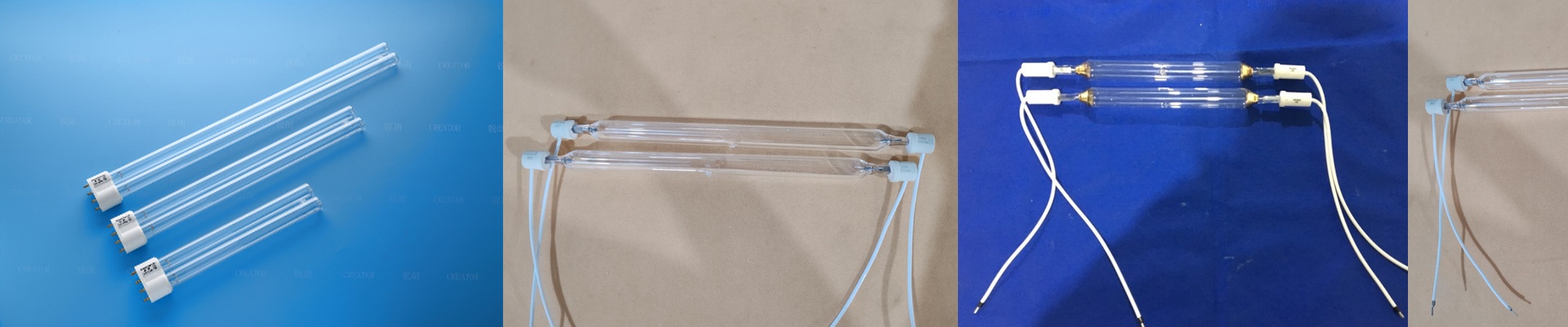
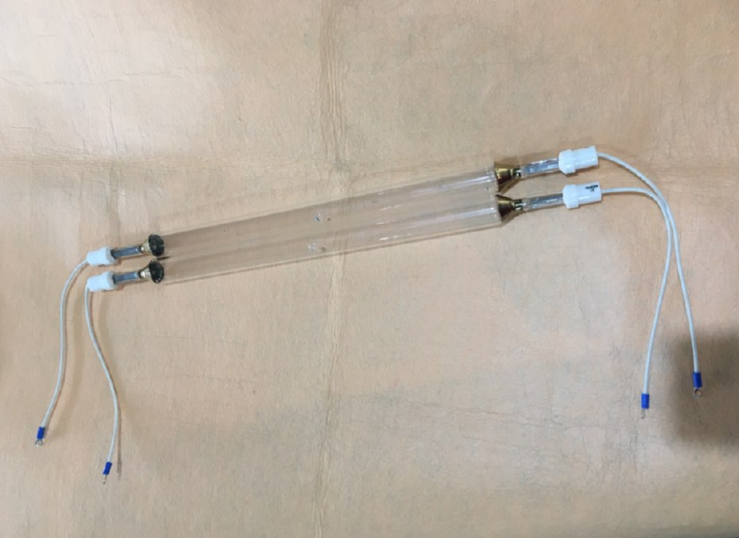
Ever had a project where the top layer of your coating looks perfect, but as soon as you touch it, the bottom is still wet? That’s “surface skinning,” and it’s a nightmare. Standard mercury lamps usually cause this because they can’t punch through thick coatings or heavy pigments. That’s where Gallium Iodide (GaI) lamps come in. By shifting the light toward the long-wave UV and visible spectrum, these lamps actually penetrate deep into the material. They don’t just hit the surface; they reach the substrate. Matching the lamp to your line We don’t believe in one-size-fits-all. If your conveyor is screaming along at top speed, a standard lamp won’t keep up. We tweak the wattage and tube length to match your specific pace. Basically, if you’re running fast, we crank up the power density so your cure rate stays steady. The gritty details: Heat and Hardware Here is the thing: these lamps run hot. Like, really hot. To keep the glass from cracking under that kind of stress, we use high-purity fused quartz. We also spec the electrodes carefully to stop “sputtering”—that annoying buildup that clouds the tube and kills your light output. One quick tip: keep your reflectors spotless. A little bit of dust can tank your efficiency way faster than the lamp actually wearing out. Making it work in your shop You probably don’t want to spend your weekend rewiring your entire rack. We get that. We design these to be drop-in replacements. They fit your existing footprints and use your current connectors, so you can just swap them out and get back to work. But there is one catch. Gallium lamps don’t just “snap” on. They have a slower warm-up profile than mercury tubes. If you flip the switch and immediately start the line, you’re going to end up with a pile of scrap. You’ll need to build a warm-up cycle into your PLC logic to give the lamps a few minutes to hit full strength. We’re confident in the performance. If you run a cross-hatch adhesion test and it fails? We’ll pay you back. Simple as that.