Getting UV Curing Right for Your Textiles
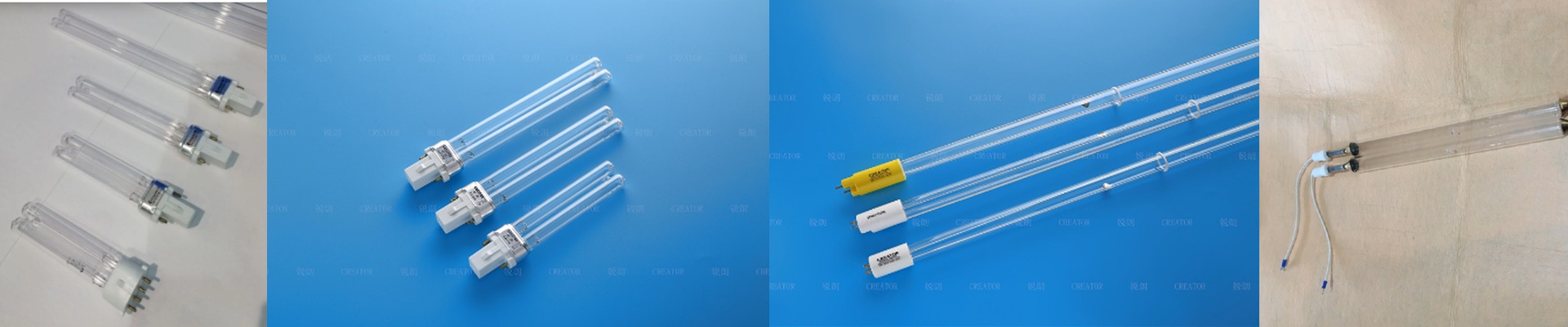
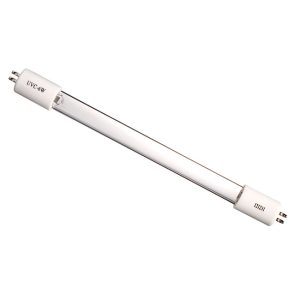
We make industrial UV lamps, but let’s be honest—you aren’t just looking for a lightbulb. You’re trying to make sure your ink actually stays on the fabric. It’s more than just “drying” the ink. It’s about a chemical reaction that locks everything in place. If your UV output dips or the wavelength drifts even a little, you’ll see ink migration or peeling. And that’s a nightmare when you’ve already spent hours on a print run. The balancing act: Power vs. Heat Our lamps are built to hit the fabric with a steady stream of light from edge to edge. We use high-purity quartz glass because it lets the UV through without breaking a sweat—or cracking—when things get hot. Here is the tricky part: you have to balance your wattage with how fast your line is moving. Sure, a higher wattage lamp lets you crank up the conveyor speed. But it also pumps out a lot more heat. If your airflow isn’t on point, you’re looking at scorched fabric or those annoying little ink bubbles. The details that actually matter We designed these tubes to be drop-in replacements. You shouldn’t have to rebuild your whole press just to upgrade your lamps. We also obsessed over the electrode placement. Why? Because nobody likes “dark spots” at the ends of the lamp. We make sure the edges of your fabric are just as cured as the middle. Plus, we use reinforced seals. Cheap tubes leak gas and die young; ours don’t. Where things usually go wrong Most of the headaches we see happen when the lamp and the ballast aren’t talking to each other. If the voltage and current don’t match up perfectly, your tube will either flicker or just burn out way too soon. It’s frustrating and expensive. And don’t forget the fans. High-output UV lamps throw off a ton of infrared heat. If you don’t have the cooling power to move that heat away, the lamp is basically cooking itself, which kills its lifespan. Keep it cool, and it’ll last.