Getting Gallium Iodide Lamps Right for Your Shop
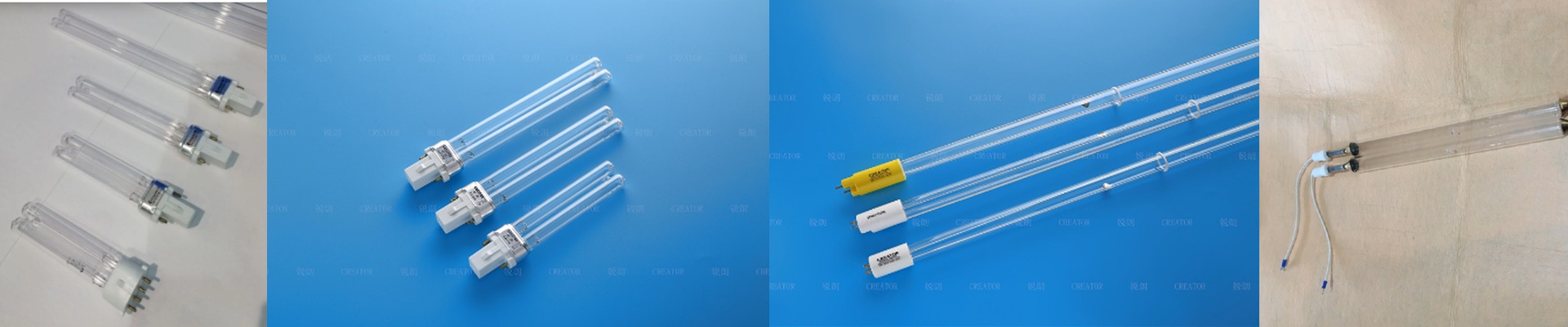
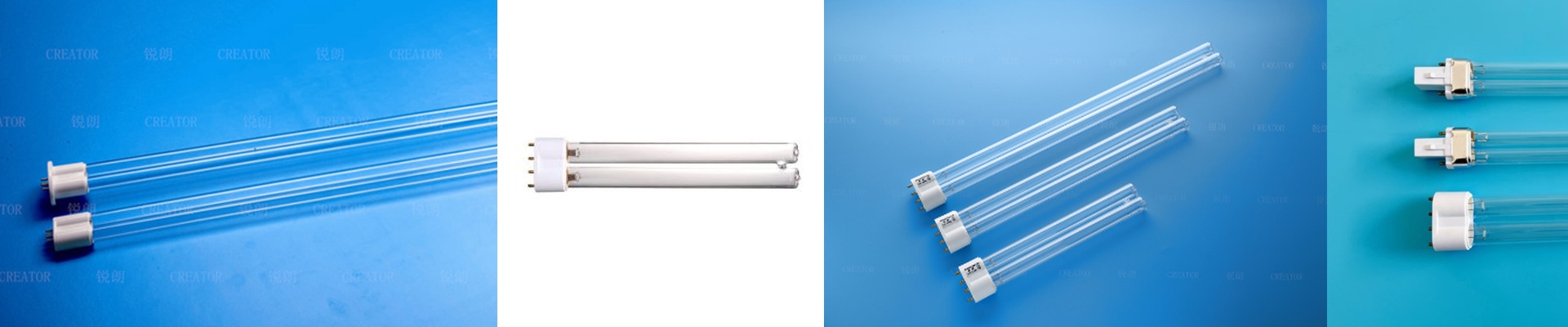
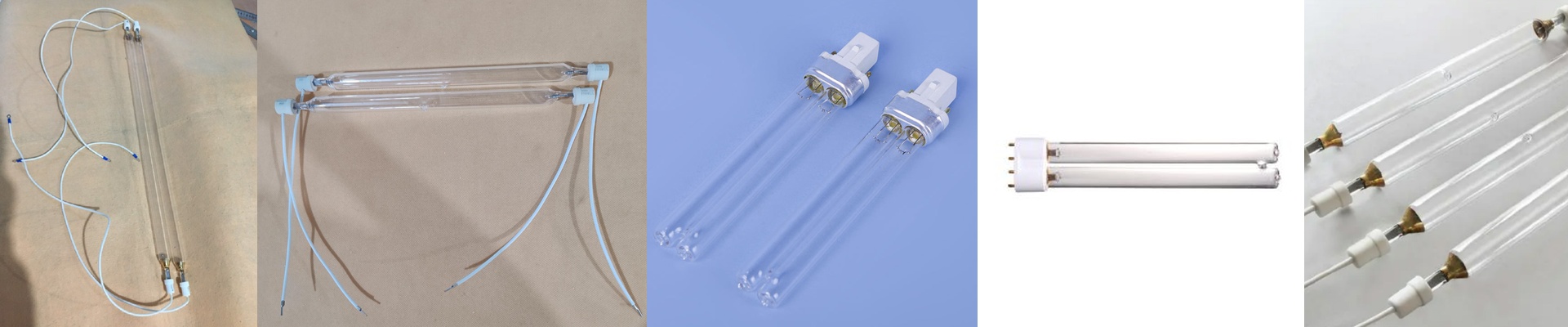
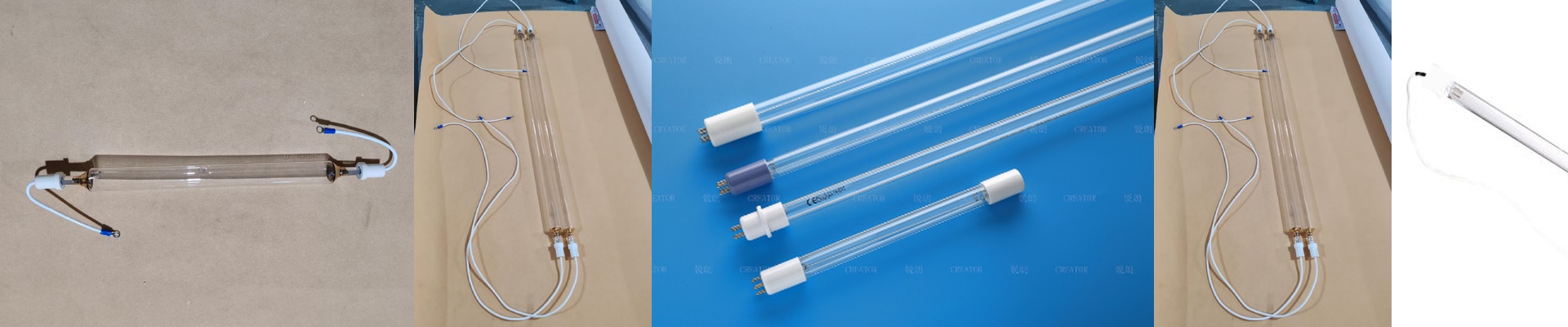
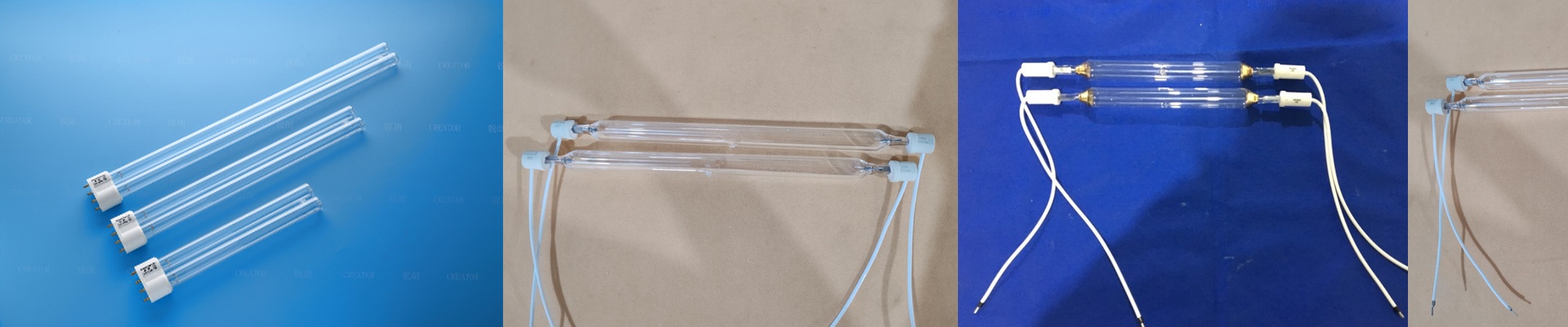
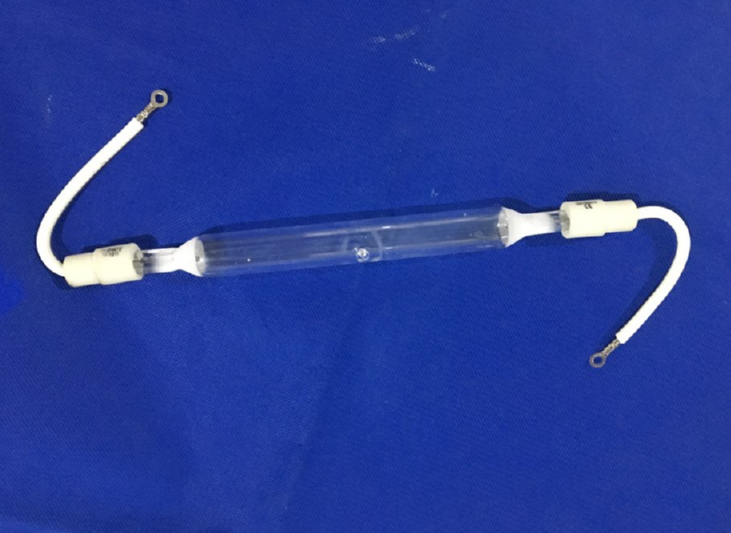
Gallium iodide (GaI) lamps are a bit of a specialty tool. You mostly see them in semiconductor fab or heavy-duty UV curing. Unlike your standard mercury lamps, these hit a very specific spot in the light spectrum—exactly where certain photo-initiators need them to be. We’ve spent 15 years messing around with gas fills and quartz envelopes to get these things to perform just as well as the big-name international brands. The trick is in the mix. It all comes down to the ratio of gallium to iodine. We spend a lot of time calibrating the fill pressure because if it’s even a tiny bit off, you’ll get “hot spots.” That means some parts of your substrate cure perfectly while others don’t. Not a great look. To stop the glass from clouding over—what the engineers call solarization—we use high-purity synthetic quartz. It keeps the UV light moving through the glass instead of getting blocked. Dealing with the heat Let’s be honest: these lamps get incredibly hot. When you’re running at full wattage, the quartz can get hot enough to warp a cheap fixture. You’ll want to make sure your cooling fans and heat sinks can actually handle the thermal load. We build our lamps to take a beating with rapid cycling, but just a heads-up: flipping the switch on and off constantly will still wear out your electrodes faster. Swapping them out We made these to be simple drop-in replacements. The pins and the dimensions are a mirror image of the international standards. You can just slide them into your current hardware without having to rewire your ballast or tear apart your chassis. It just works. One last thing:be careful with your fingers. GaI lamps hate contamination. A single fingerprint on the quartz creates a tiny heat point, and that’s usually how you get a premature burnout. Do yourself a favor: grab some isopropyl alcohol, give the tube a good wipe, and then wire it up and fire it.