Saving Power Without Killing Your Curing Speed
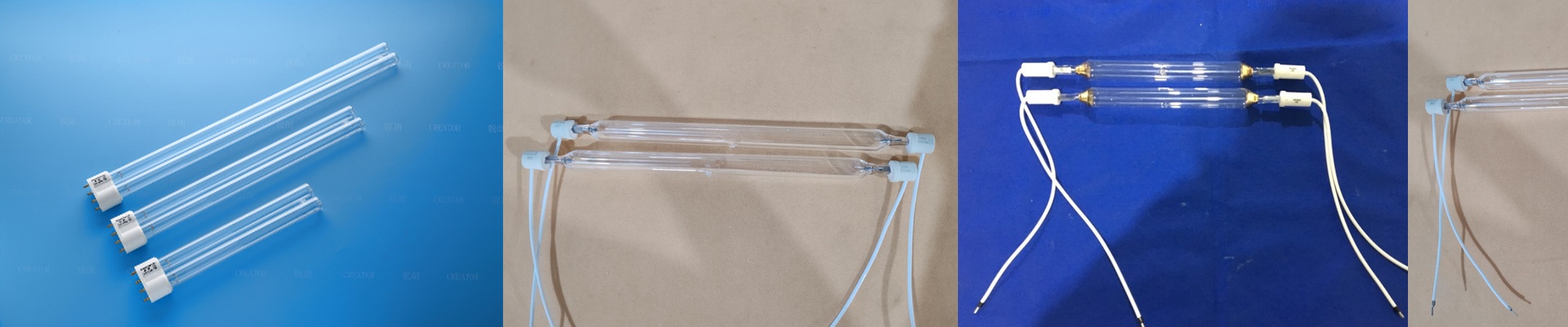
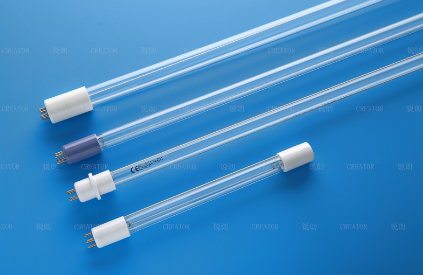
Let’s be honest: UV lamps in a printing or textile shop usually feel like just another expense. But they’re actually the heartbeat of your drying process. When we talk about “energy-saving” lamps, we aren’t just talking about a smaller number on the electric bill. We’re talking about getting more UVC photons out of every single watt. The goal is simple. We want the curing power, but we don’t want the heat that turns your shop floor into a sauna.
The science bit (simplified)
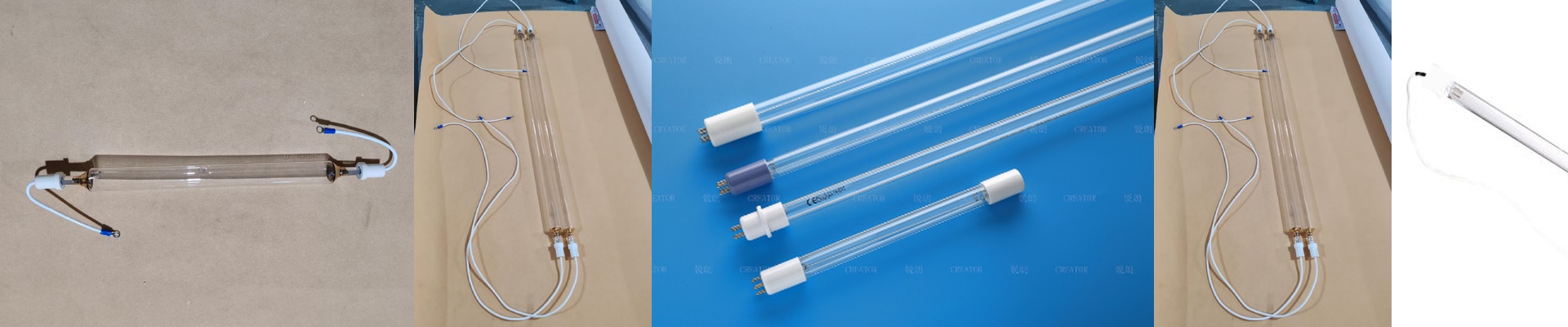
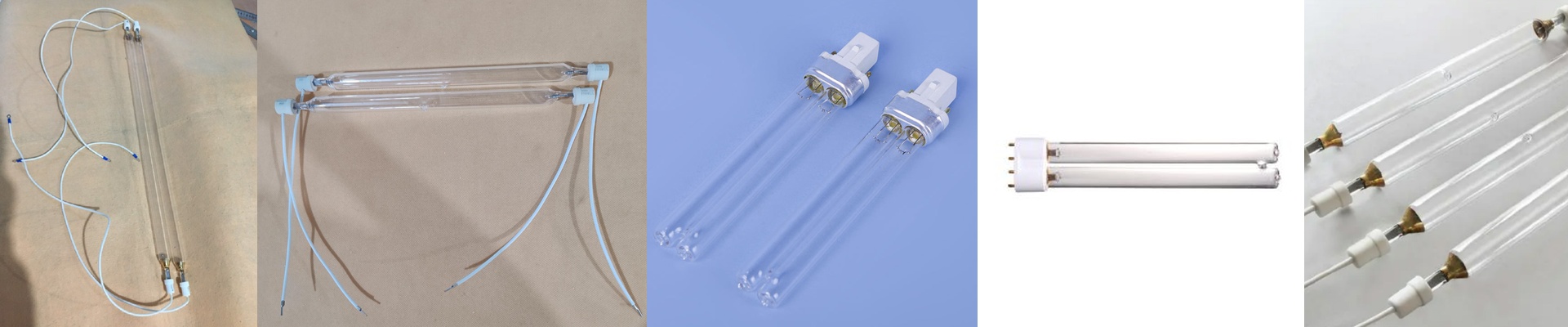
Most standard lamps are pretty wasteful. They dump a massive amount of energy into infrared heat instead of actual UV light. We fixed this by tweaking the gas mix and cleaning up the electrode geometry. We also tightened the tolerances on the quartz envelope to bump up the internal pressure. The result? You hit those same irradiance levels but with lower wattage. Your ink dries just as fast, but your power meter doesn’t spin nearly as quickly.
Getting them into your system
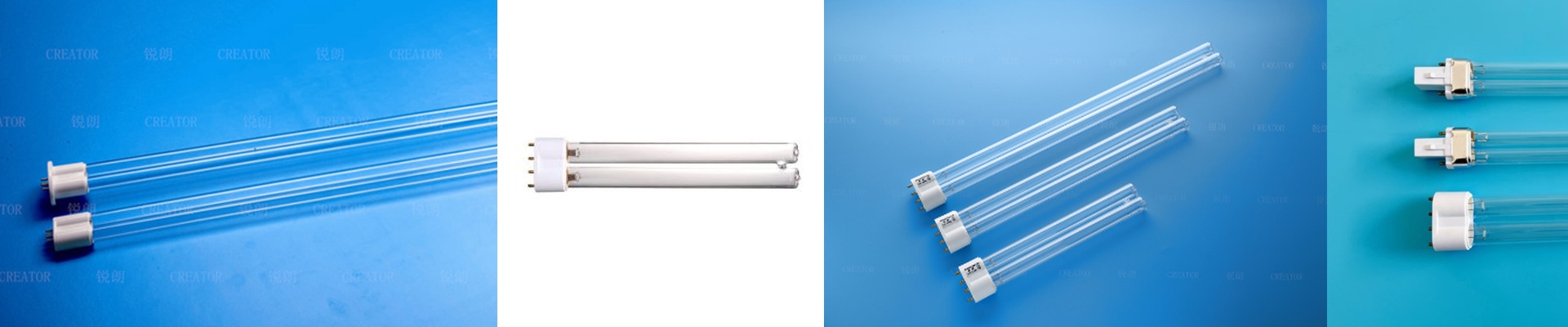
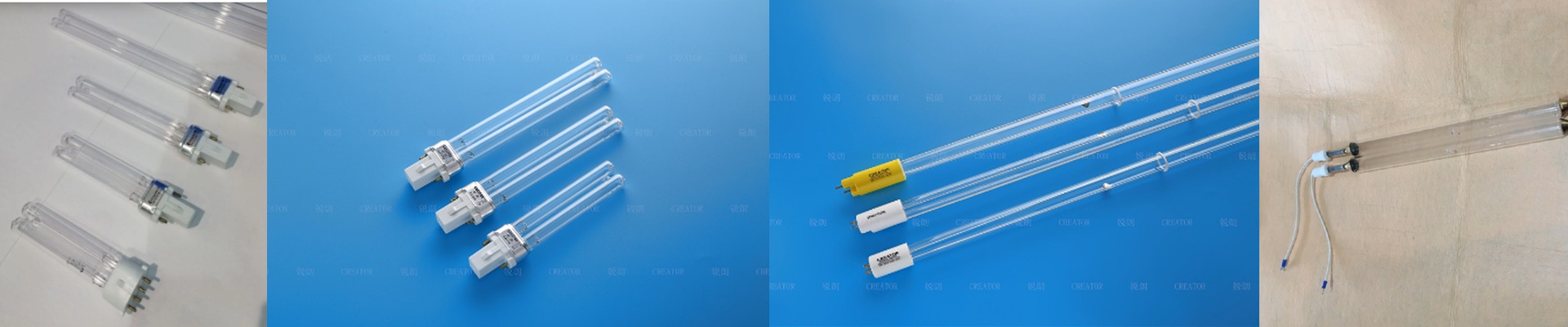
We made these to be drop-in replacements. I know you don’t have the time or the patience to rewire your entire UV cabinet. Whether you’ve got a conveyor system or a stationary unit, these just fit. One heads-up, though. Keep an eye on your ballasts. If you plug a low-energy lamp into an old, oversized magnetic ballast, you might overdrive the filament. It’s an easy mistake to make, but it’ll burn your lamp out way too soon. Just make sure your ballast output matches the lamp’s rated wattage and you’re golden.
Making it work on the floor
In high-speed printing, you need that ink to tack immediately so it doesn’t migrate or smudge. That’s where we can help you dial things in. If you decide to speed up your line, don’t just crank the voltage. That’s a recipe for disaster. You have to look at the “dose”—basically, how intense the light is multiplied by how long the material is under it. Here is a nice perk: because these lamps run cooler, they don’t bake your materials. You can run thinner films or heat-sensitive PET without worrying about the plastic warping or shrinking. Just a tip—if you’re using those heavy, high-pigment inks that block UV light, you might need to slow the line down a tiny bit. It’s a fair trade-off for the energy you’re saving.