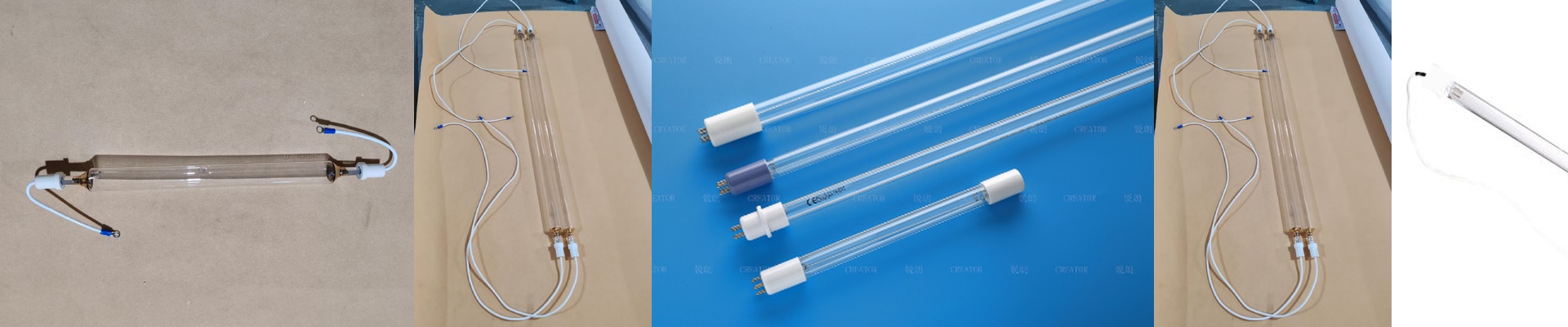
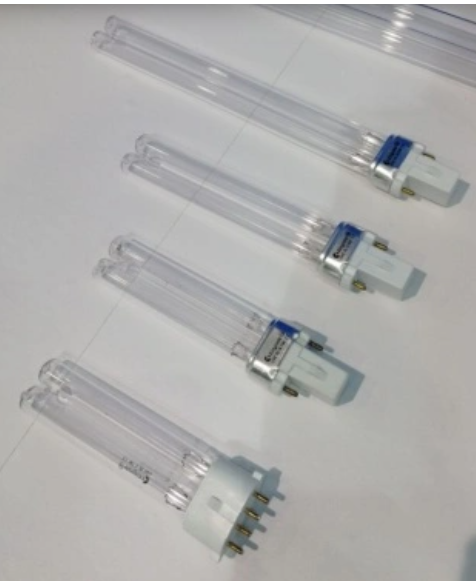
The Real Deal on How We Build Our Mercury UV Lamps
Let’s be honest: mercury vapor lamps are the heavy lifters of the industrial UV world. They do the dirty work—blasting inks, coatings, and adhesives with high-intensity UV radiation to get everything cured and dried in a flash.
Balancing Power and Heat
When we’re designing a lamp for a high-speed line, it all comes down to how much punch we can pack into every centimeter. More wattage means more photons, which means your product cures faster. Simple, right? But there’s a catch. You’ve got to make sure your ballast and the lamp’s voltage are in sync, or you’ll burn the thing out way too soon. And then there’s the heat. High-output lamps throw off a lot of infrared radiation. If your conveyor is crawling or your fans aren’t pulling enough air, you’re going to end up scorching your materials. Nobody wants that.
The Glass and the Glow
We use high-purity fused quartz for the envelopes because it lets the UV rays fly through without getting trapped. Sometimes, though, “too much of a good thing” is a problem. For certain jobs, we tweak the quartz or add coatings to filter out those shorter wavelengths. This stops the surface from over-curing, which is usually why things end up feeling brittle or cracking. Also, we’re obsessive about the seals. If the vacuum seal at the electrodes has even a tiny leak? The lamp is dead. Period.
Getting It to Actually Fit
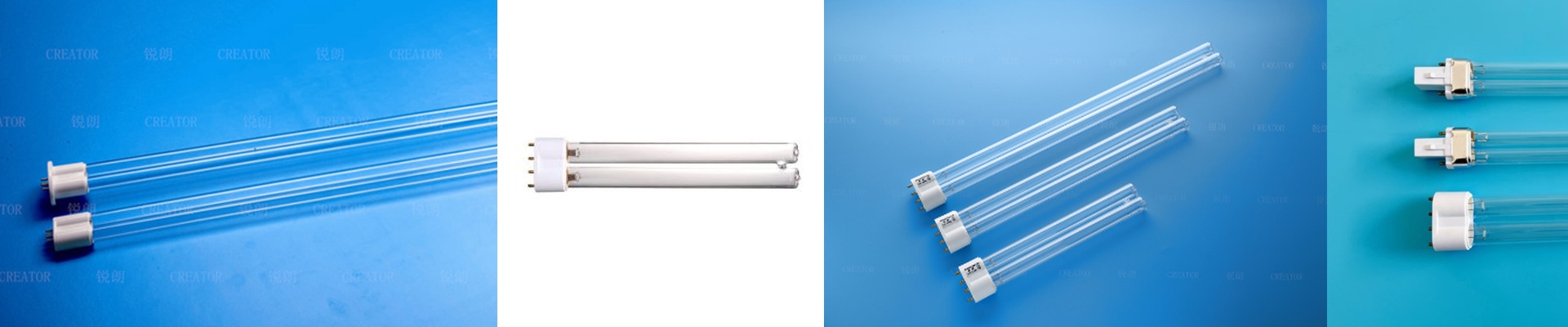
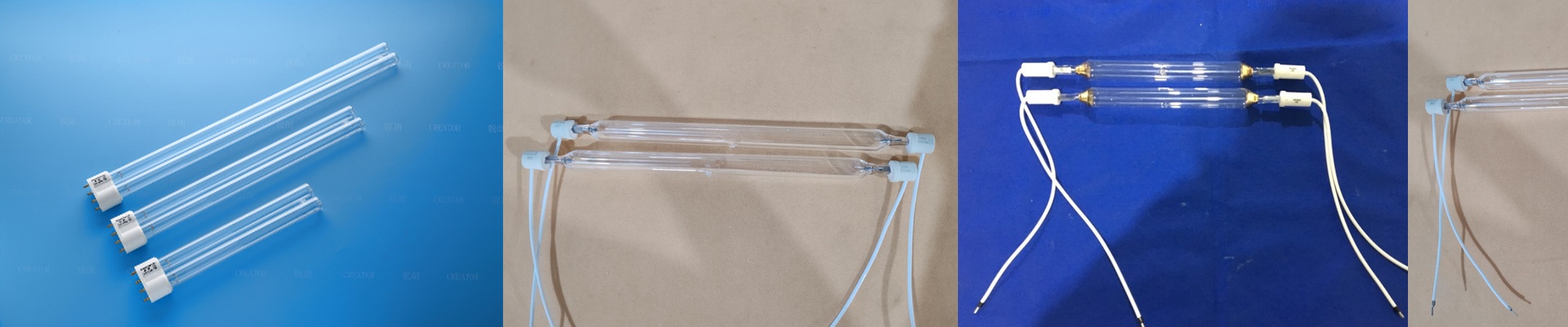
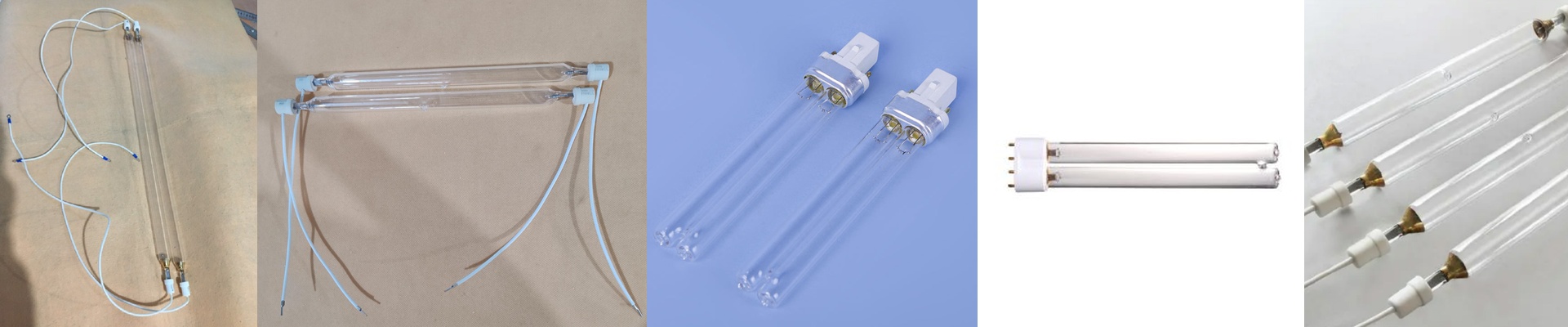
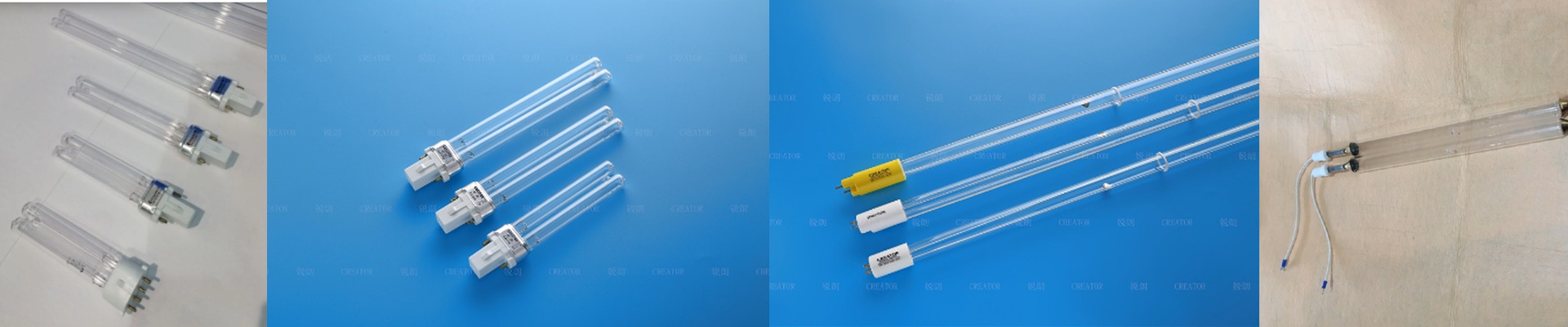
There is nothing more frustrating than buying a replacement part that almost fits. That’s why we build our lamps to be true drop-in replacements. We nail the footprint—the exact length and the pin setup—so you can just wire it in and get back to work without messing with your reflectors. We’re confident they’ll perform just as well as the big-name brands. In fact, if the cure depth or surface hardness isn’t hitting those top-tier benchmarks, we’ll give you your money back. We’ve got the spectral data to back it up, but more importantly, we want your line running perfectly.