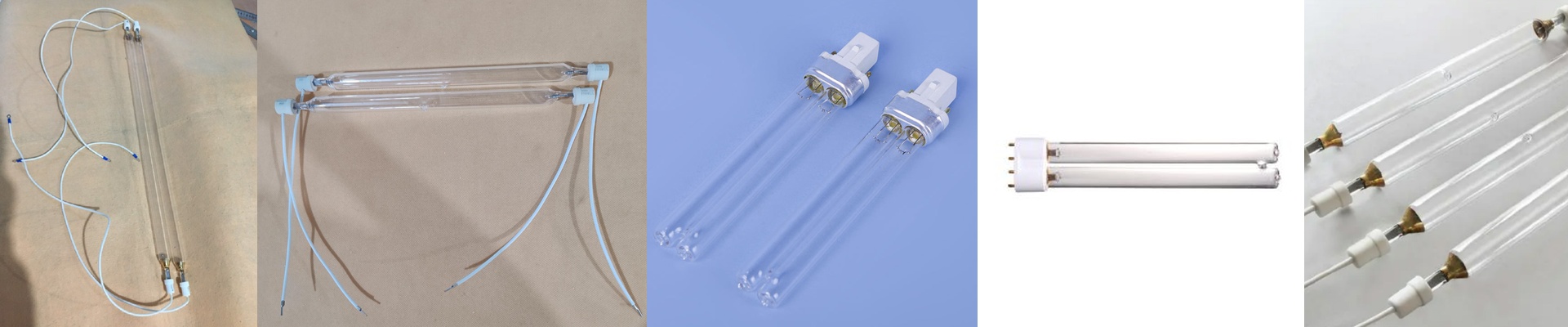
The Real Deal on 120W/cm Mercury UV Lamps in Textile Work
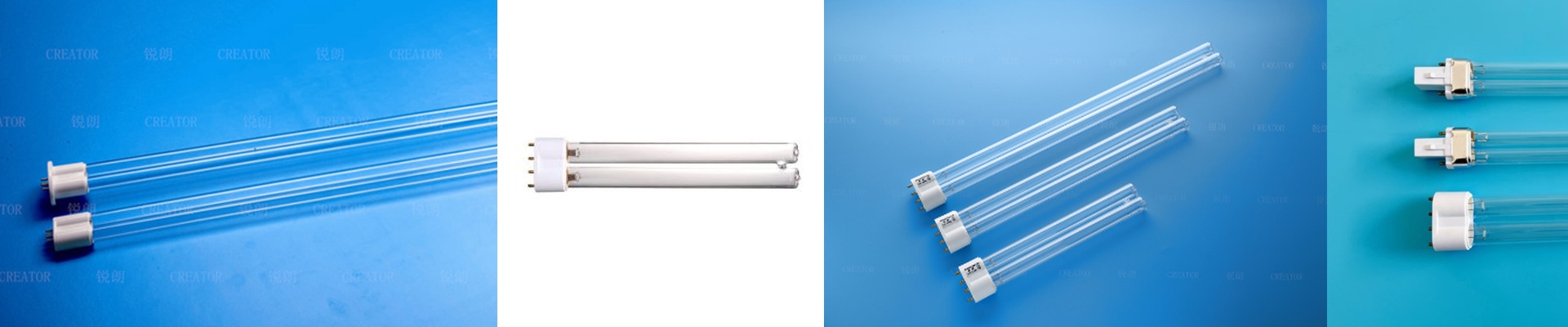
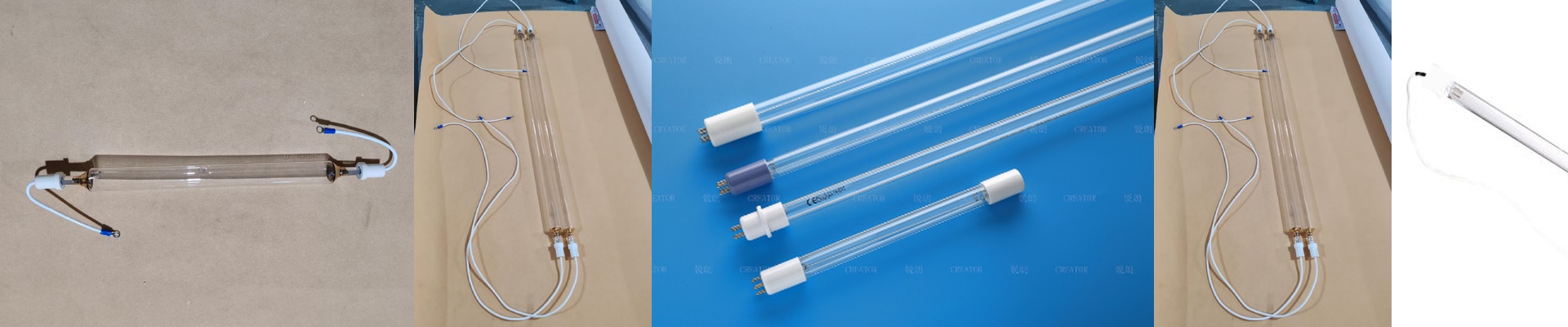
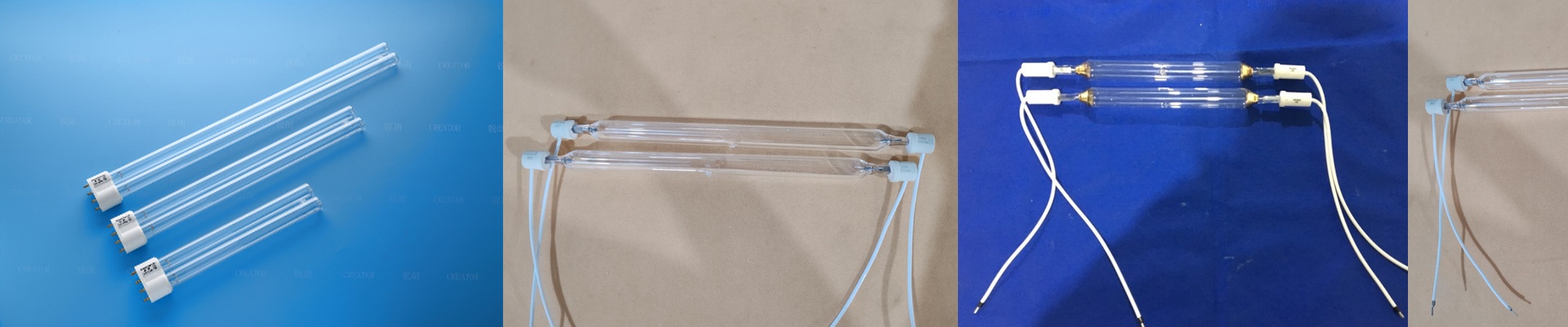
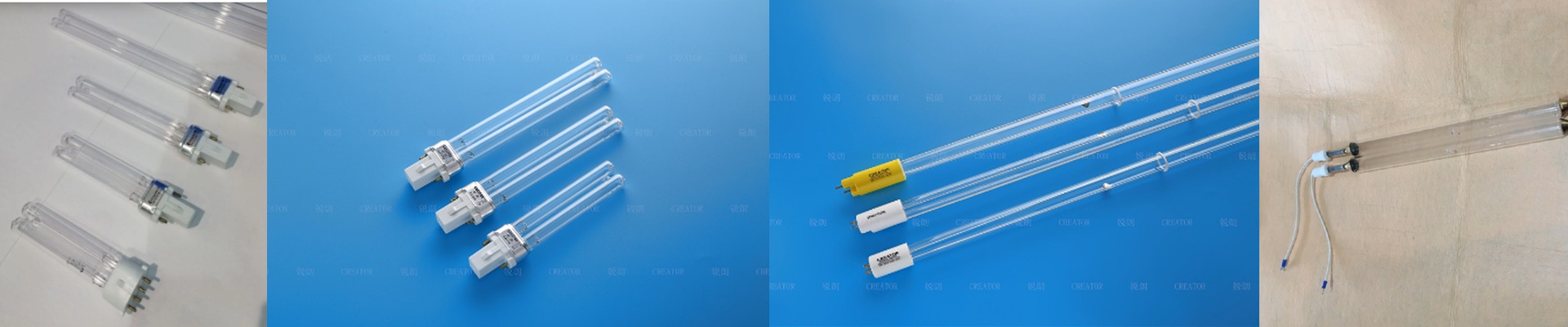
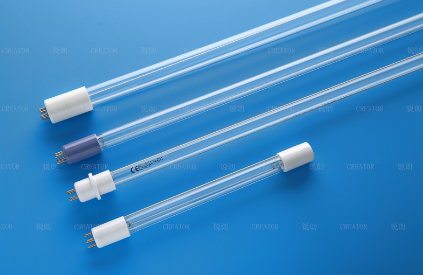
When most people look at a shirt or a curtain, they just see fabric. But if you’re in the thick of manufacturing, you know it’s actually about chemistry. Specifically, it’s about using high-intensity UV light to forge bonds that actually hold. That’s where the 120W/cm mercury UV lamp comes in. It’s basically the heavy lifter of the whole operation. Getting the power just right Here’s the thing about that 120W/cm spec: it’s all about the sweet spot. We use mercury-vapor because it hits those UVC and UVB ranges hard, which is exactly what those UV-curable inks and resins need to wake up and harden. If you skimp on the wattage, you’ll end up with a “skin” on top while the bottom stays tacky. Not a good look. But push it too far? You’ll start scorching your synthetic fibers. It’s a delicate balance. The hardware side of things These lamps aren’t just lightbulbs; they’re dealing with intense pressure and heat. We wrap the mercury arc in high-purity quartz so the UV light actually gets out instead of getting trapped. And please, for the love of your sanity, use a stabilized power supply. If the power flickers, you’ll get these annoying curing streaks across your fabric. It ruins the whole batch. Plus, remember that these things put out a ton of infrared heat. You’ve got to sync your conveyor speed with your cooling system. If the fabric crawls too slowly under the lamp, PET-based fabrics will warp or your delicate blends will just melt right there on the line. Where this actually happens on the floor In a typical shop, we’re using these in three main spots: ***Pre-treatment:**Locking in those sizing agents to the yarn. ***Printing:**Getting pigment inks to cure instantly so the digital printers can keep screaming along. ***Finishing:**Adding the stuff that makes fabric water-resistant or flame-retardant. The best part? These are usually drop-in replacements for your standard UV arrays. Just do yourself a favor and keep those reflectors polished. If they get oxidized, you lose about 20% of your power. That means you have to slow down your entire line, and nobody wants that.