Getting Your UV Curing Right: The Truth About Mercury Lamps
Let’s be honest—mercury UV lamps are the unsung heroes of the print shop. They do the heavy lifting, triggering that chemical reaction that turns wet, runny ink into a rock-solid finish in a matter of seconds. But if you’re running a small or mid-sized shop, you know the struggle. It’s not just about buying a lamp that “works.” It’s about finding one that actually fits your machine without draining your bank account.
The nitty-gritty of how they work
We lean on low and medium-pressure mercury vapor to hit those specific UV wavelengths. For most of you, that means aiming for a peak around 254nm. Why? Because that’s what actually gets deep into the ink layer to cure it properly. Here is the thing: your line speed dictates everything. If you’re cranking up the conveyor to hit a deadline, you’re going to need more wattage. If the lamp isn’t powerful enough for the speed, the ink stays tacky, and you’ve got a problem on your hands.
Why “off-the-shelf” usually fails
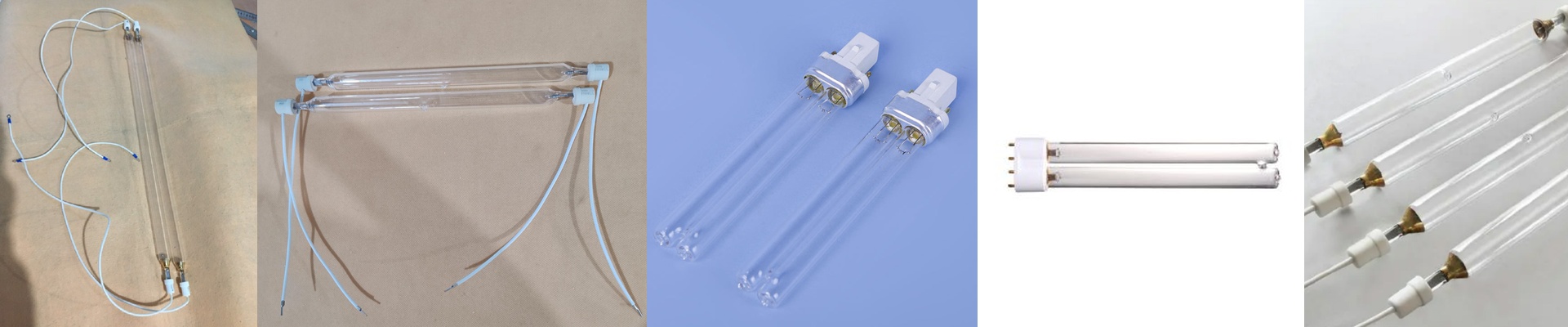
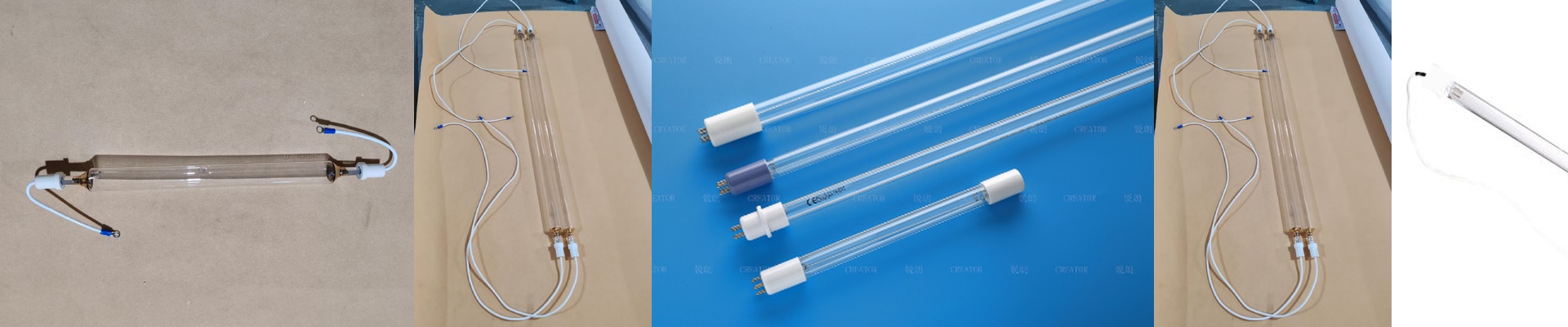
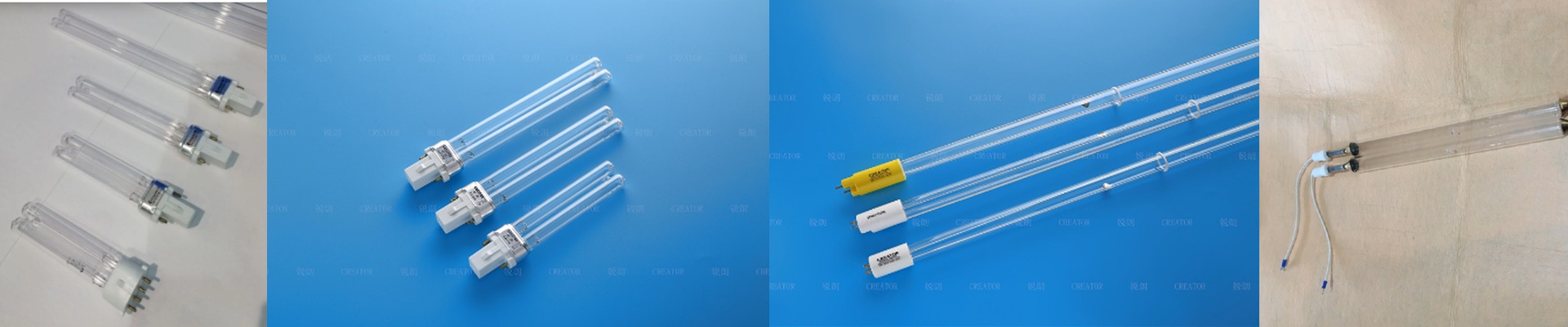
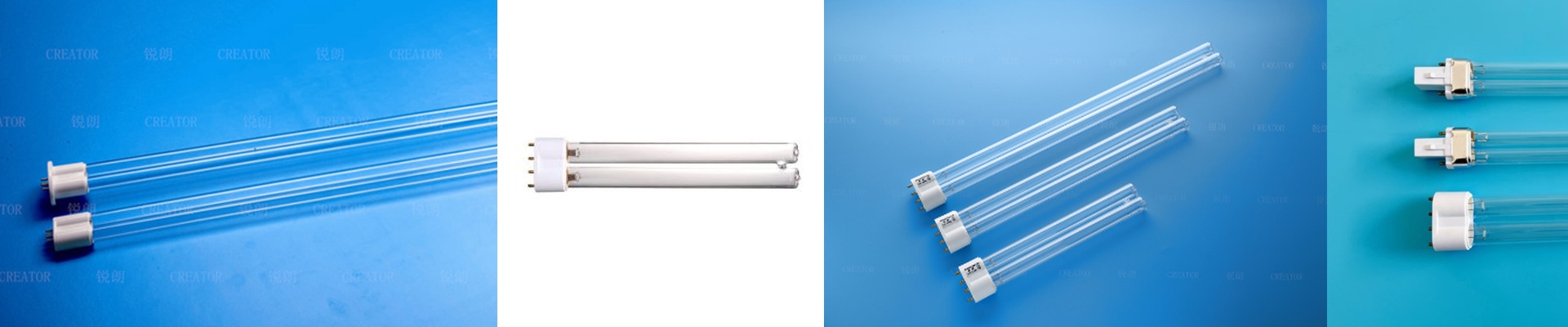
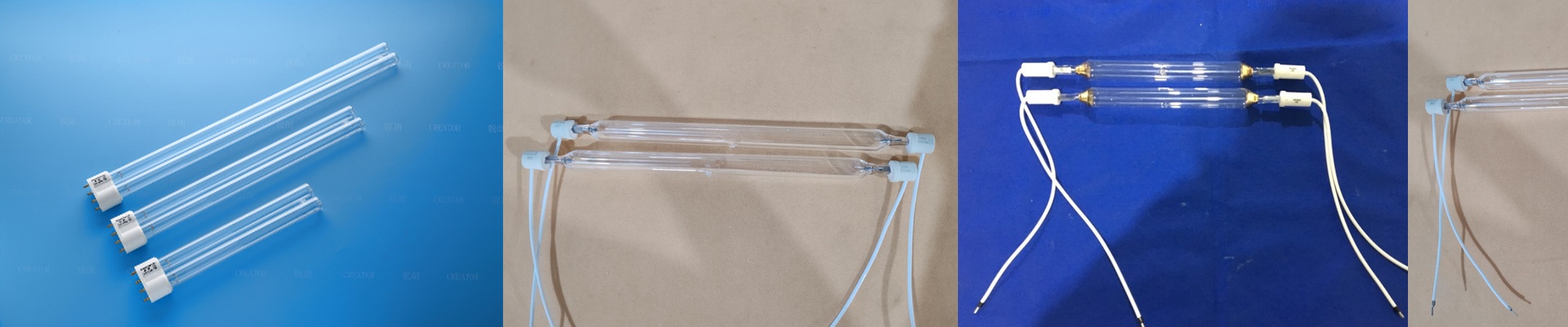
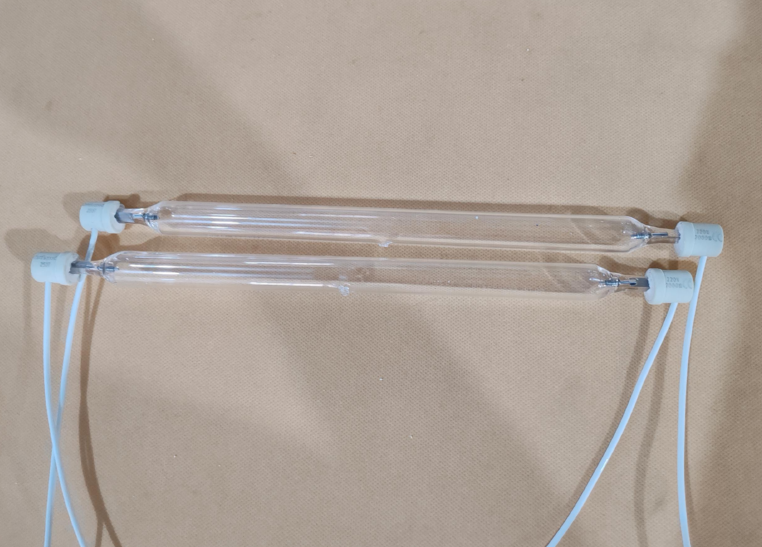
Generic lamps are a gamble. They often leave gaps in your curing zone, creating “cold spots” where the ink just doesn’t set. We do things differently. We tweak the tube length and where the electrodes sit so they play nice with your specific reflectors. It means the UV light hits the entire web evenly. Plus, we use high-purity quartz glass. It’s tough. It won’t crack just because things got a little too hot in the shop. Speaking of heat… keep an eye on your cooling. These lamps runhot. If your airflow is sluggish, the glass overheats. Then you get “solarization”—which is a fancy way of saying the glass clouds over and blocks the UV light. Once that happens, your lamp is basically a paperweight.
Making it work for your shop
We build these to be drop-in replacements. You shouldn’t have to spend your weekend rewiring your entire ballast system just to get a better cure. When we dial in the spectral output to match your specific ink, something cool happens. You might realize you don’t need as many lamps in your tunnel. That’s a win-win. Your power bill goes down, and your substrates—like PET or textiles—don’t get baked. No more warping, no more wasted material. Just clean, fast results.