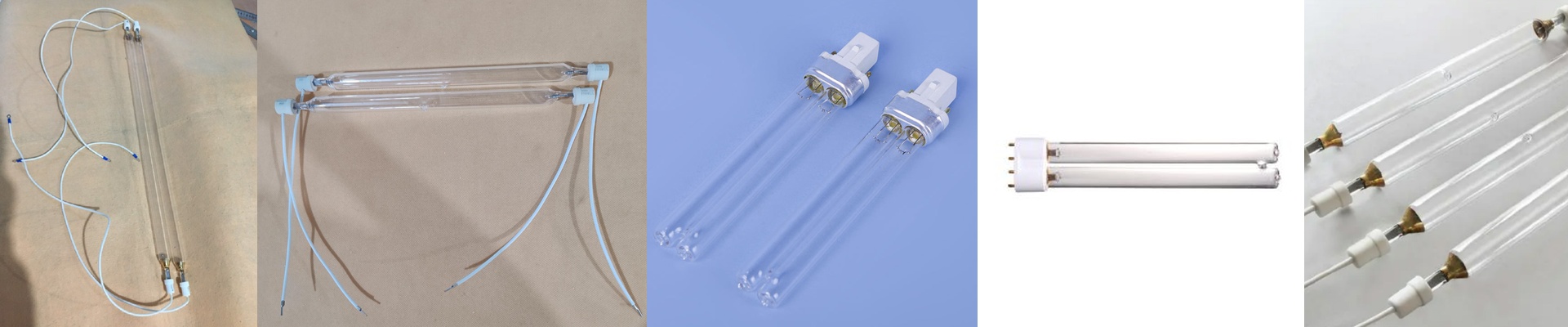
Better UV Modules: Because “Off-the-Shelf” Usually Isn’t Enough
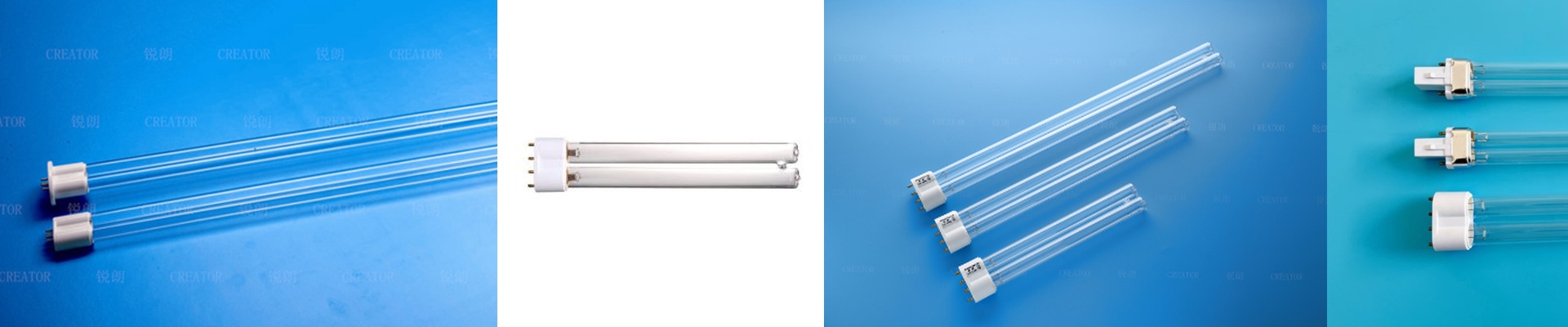
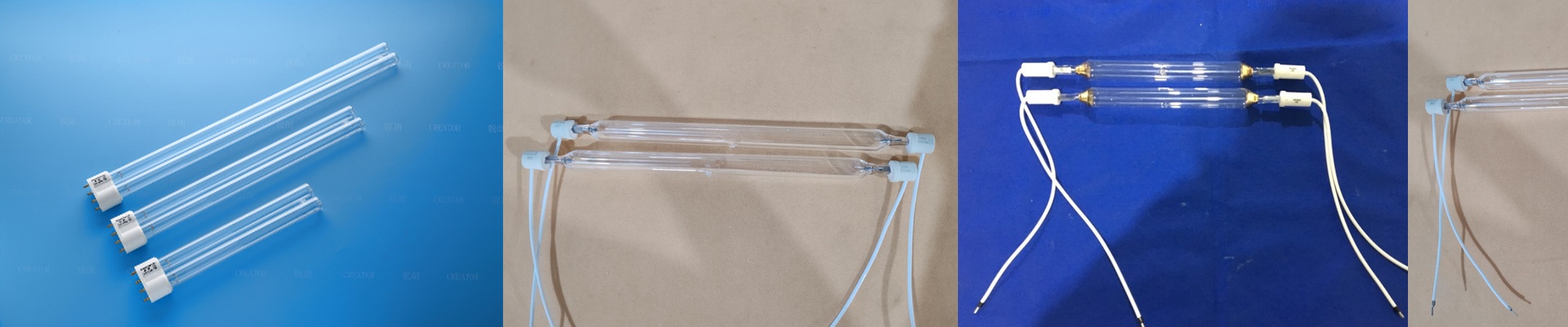
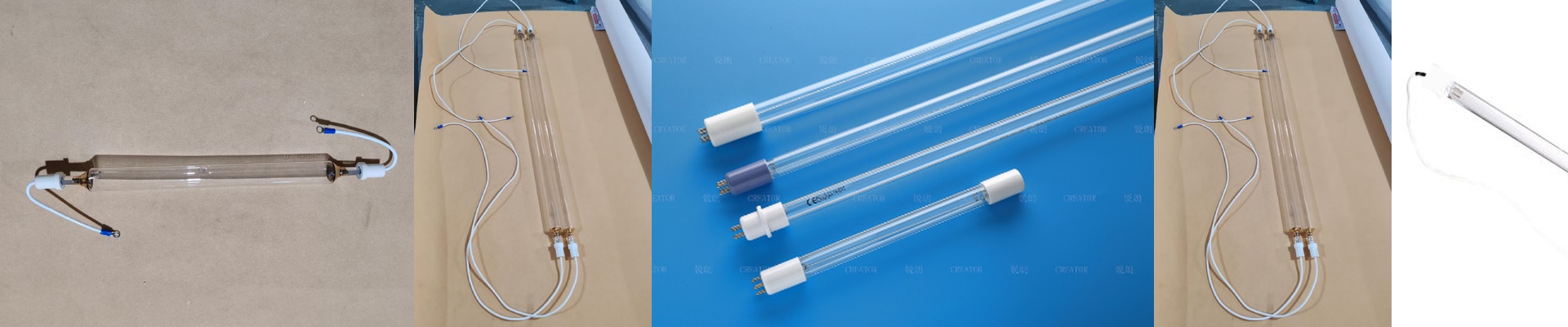
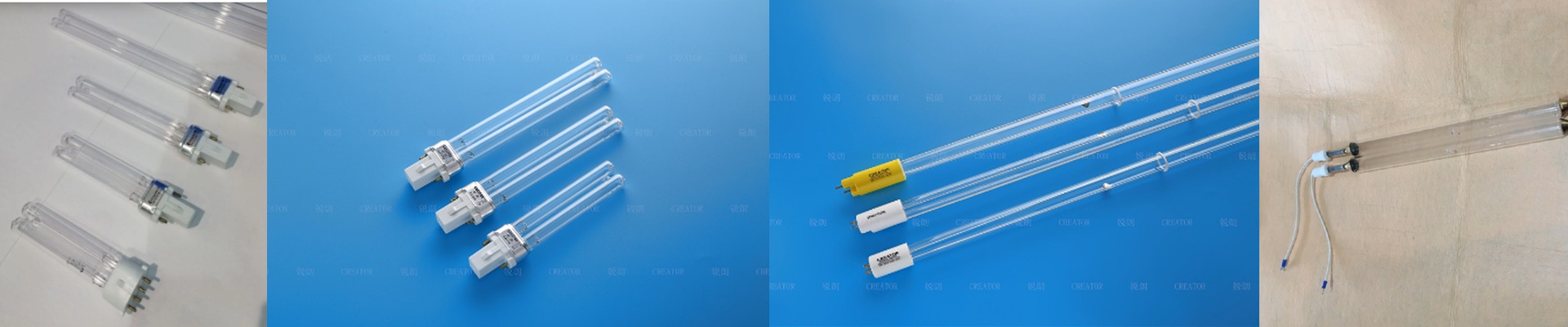
Walking through the 2026 printing shows, it became pretty clear that everyone is tired of generic lighting. It’s not about just “having light” anymore. It’s about hitting a very specific energy target. That’s why we stopped making one-size-fits-all bulbs and started building customized UV modules. We wanted to hit those precise irradiance numbers that standard lamps just keep missing. The nitty-gritty on power Here is how we handle the power: we’ve dialed in the voltage-to-wattage ratio to keep the plasma discharge steady. By tweaking the mercury vapor pressure inside, we can push more UVC and UVB light exactly where it needs to go. For those of you running high-speed lines, this means your photo-initiators cross-link faster. If you’re dealing with thick ink layers, you’ll need the high-wattage setups for that extra heat. Just a heads-up—make sure your chillers can actually handle the load. If your cooling loop slips up, that quartz envelope is going to overheat, and you’ll be replacing your lamps way sooner than you’d like. Built to last (and fit) We use high-purity fused quartz. Why? Because we don’t want the glass absorbing the UV light before it even hits your product. And since nobody likes spending a weekend rewiring a conveyor system, we made these “drop-in” replacements. You just swap them out and keep moving. We also spent a lot of time on the electrode geometry. We wanted to stop that annoying “end-blackening” where mercury builds up and blocks the light. Now, you get a much longer window of peak performance before you have to touch the tube. Making it work in the real world If you’ve ever dealt with “under-cure” on PET or paper, you know how frustrating that is. It ruins the job. We fixed this by customizing the lamp length and the focal point. Instead of spraying energy everywhere, we concentrate it right where the substrate passes through. It’s a smaller footprint and way less wasted power. We’ve run these against all sorts of ink viscosities, and the cure happens in milliseconds. It’s a bit of a balancing act, though. Higher intensity means you can crank up your line speed, but you’ll need to be spot-on with your conveyor timing so you don’t accidentally scorch the material.