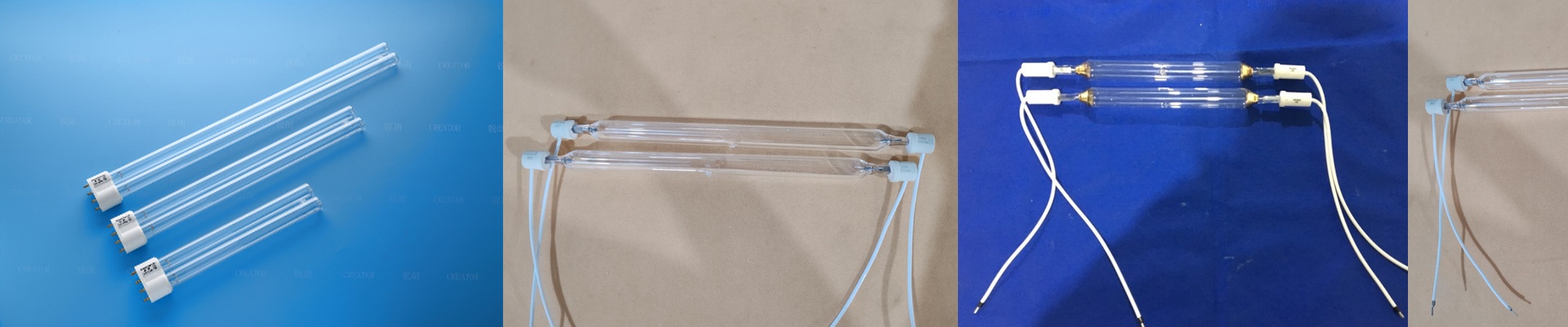
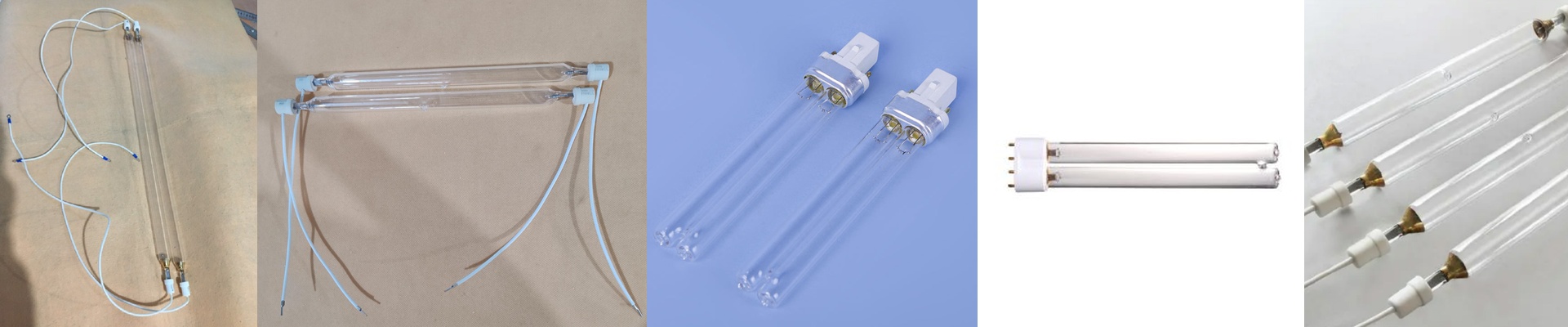
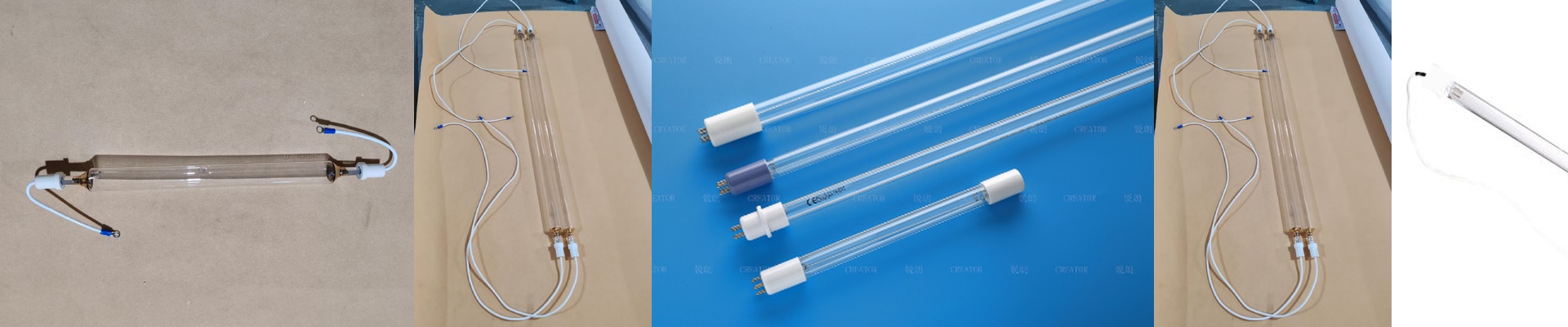
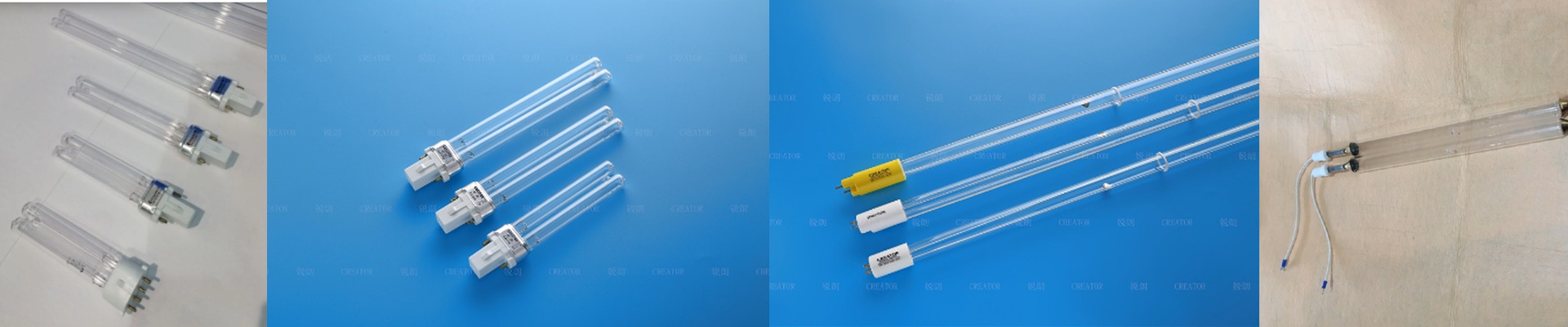
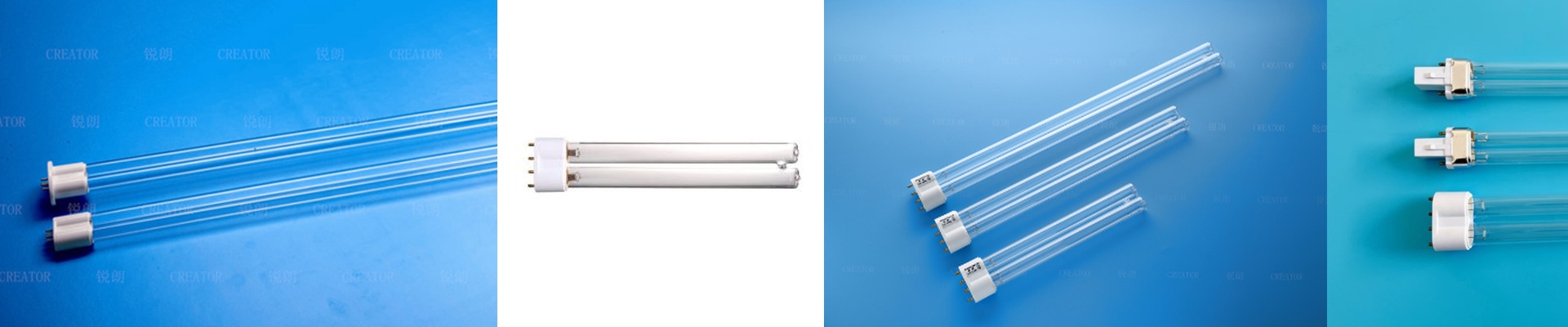
The Real Story Behind UV Lamps: It’s More Than Just Gas in a Tube
Most people think a UV lamp is just a piece of glass and some gas. But if you’ve ever had a bulb burn out way too early or a curing line that just isn’t hitting the mark, you know it’s more complicated than that. The secret is in the guts of the operation—everything from where the quartz comes from to the specific metals in the electrodes. We handle the whole process ourselves. No middle-men, no random distributors adding a markup for no reason. Just a straight line from our factory to you.
Getting the Output Right
For sterilization, we’re aiming for that sweet spot—usually 253.7nm. If the wattage isn’t consistent across the whole tube, you get “cold spots.” Those are basically open doors for contaminants to slip through. And if you’re running high-wattage curing arrays, things get intense. You’ve got to make sure your ballast can handle the strike voltage. If it can’t, you’ll fry your electrodes before they’ve even had a chance to work. It’s a frustrating way to waste money.
What Goes Into the Build
We use high-purity fused quartz because regular glass just blocks UV radiation. It’s a non-starter. Then there’s the electrode material. We stick with thoriated tungsten or similar alloys. Why? Because it stops “sputtering.” That’s when metal starts depositing on the inside of the glass, clouding it up and dimming your light. It’s like a window getting dirty from the inside; eventually, the light just can’t get out. When it comes to curing, we play around with tube diameters. Thinner tubes react faster, which is great, but they’re a bit more fragile when you’re actually installing them. It’s a trade-off.
Making it Work in the Real World
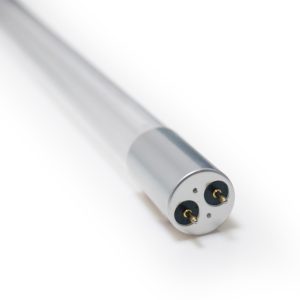
Fitting these into an HVAC system or a conveyor belt is always a squeeze. We offer a few different end-cap setups so you can actually get a secure electrical connection without fighting the hardware. But here is the thing you really need to watch:heat. Sure, cranking up the UV intensity speeds up your curing time. But that puts a massive amount of stress on the quartz. If you push the wattage too hard without enough airflow, the tube overheats. The mercury vapor pressure spikes, and the lamp dies. It’s a balancing act. You have to weigh your line speed against the thermal limits of the lamp. If you push too hard, you’ll spend all your time replacing bulbs instead of actually running your business.