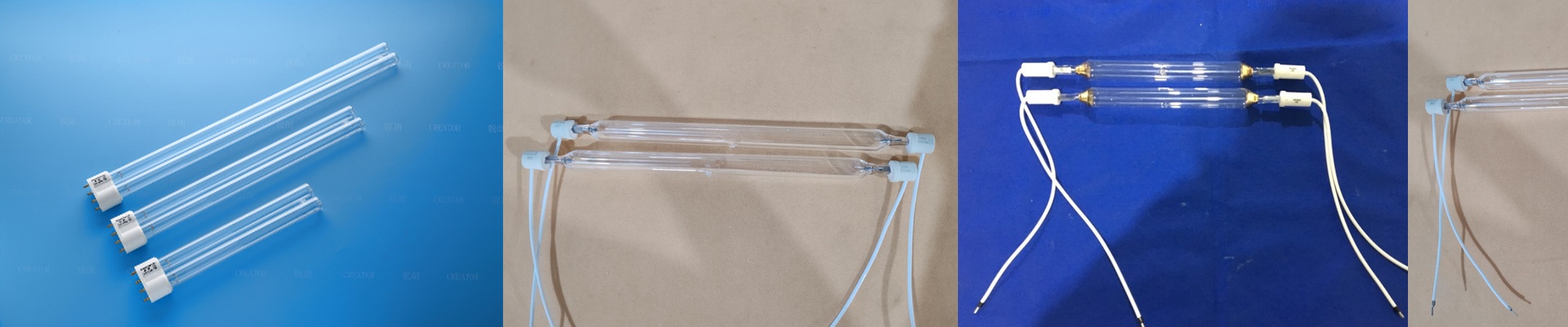
Building UV Sterilization That Actually Lasts
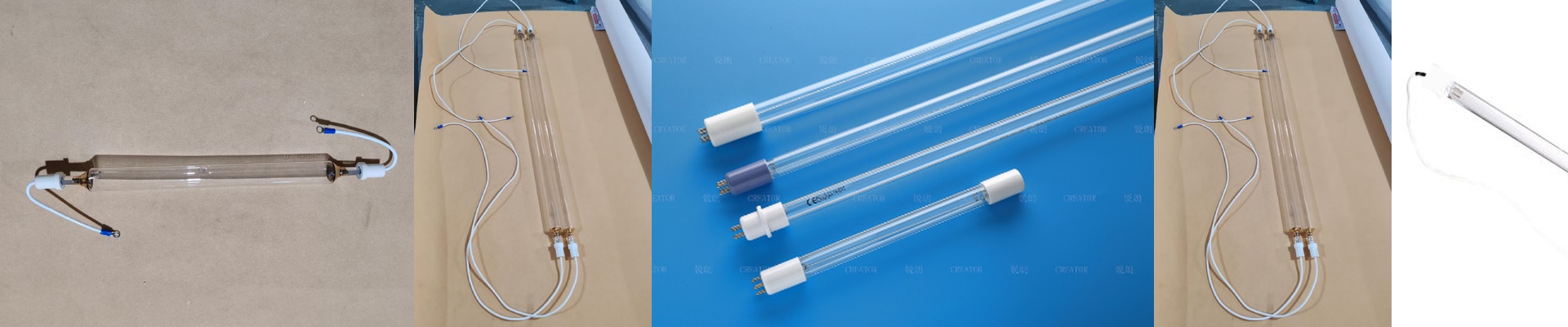
We spent 15 years grinding. We started out just supporting other people’s gear, but we eventually moved into production ourselves. Why? Because we were tired of seeing UV lamps burn out way too early. We wanted to build something that could go toe-to-toe with the big international brands and actually win.
The nitty-gritty of UVC
Here’s the thing: if you aren’t hitting exactly 253.7nm, you’re just wasting electricity. To get that right, you can’t cut corners on the glass. We use high-purity synthetic quartz because cheaper glass just blocks the rays. It makes the whole system a paperweight. We also obsess over voltage. If the power flickers or the ballast doesn’t play nice with the lamp’s impedance, you’re basically killing your electrodes. It’s that simple.
Making the hard choices
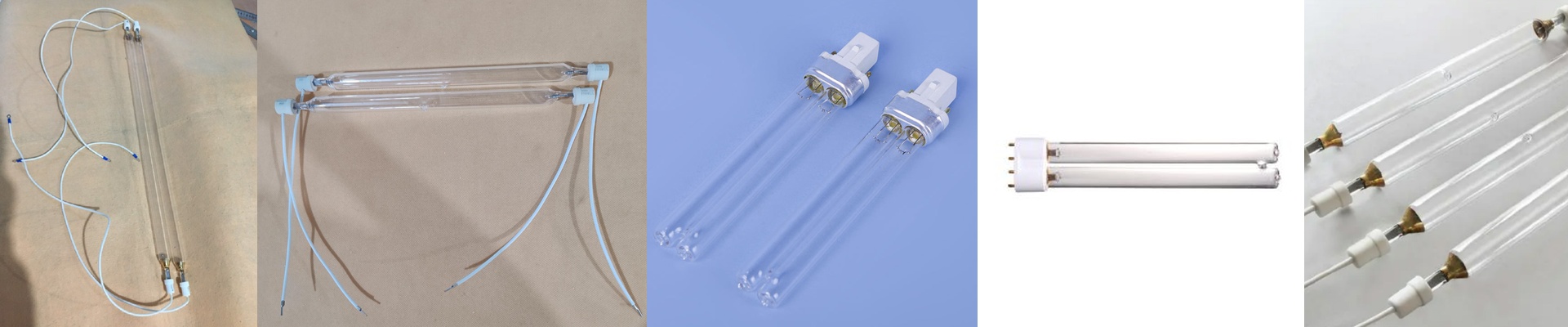
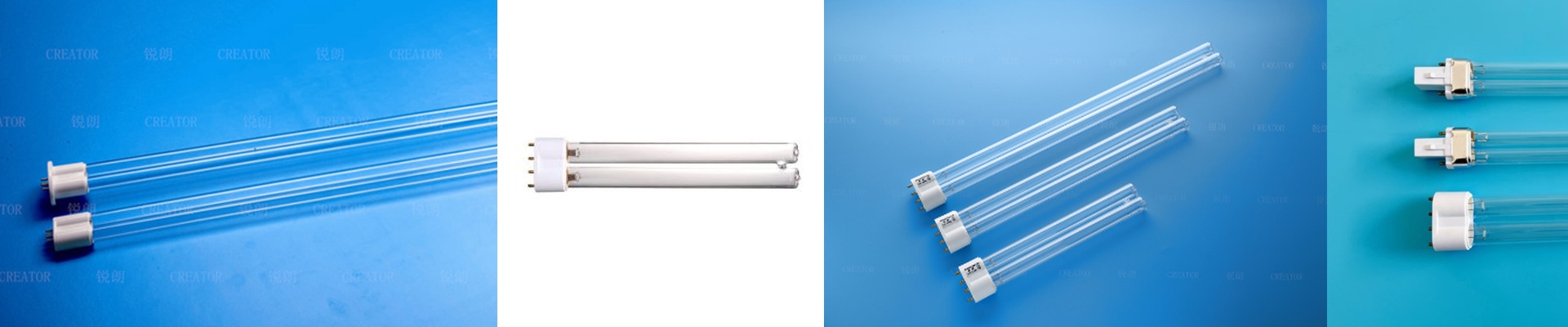
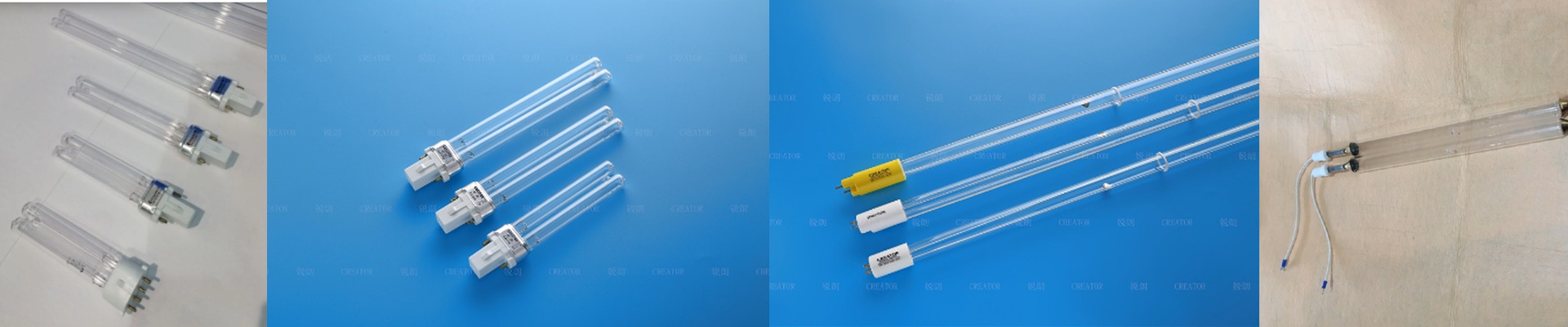
We use specific coatings to keep the light moving where it needs to go and to stop the quartz from breaking down when things get hot. Then there are the connectors. Whether you go with a slide-in R7s or a twist-lock Sk15 really depends on how often your team is swapping them out. We lean toward the ones that can take a beating. You don’t want to be fighting stripped threads in the middle of a shift. Now, high-wattage tubes are great for fast conveyor belts. They’ve got the punch you need. But there’s a catch. All that power creates a lot of heat. If you don’t get your cooling fans or water jackets right, the tube overheats—and when that happens, your UVC output actually drops. It’s a bit of a balancing act.
Getting it onto your floor
We designed these to be drop-in replacements. You shouldn’t have to rebuild your entire line just to upgrade your lamps. As long as your capacitors can handle the initial strike voltage, you can wire these right into your current grid. We build them to hold 90% of their strength for the first 8,000 hours. No fluff, no fancy promises—just a steady stream of photons keeping your line clean.