Why Most UV Curing Systems Actually Fail (And How We Fixed Ours)
We spent some time hitting the road and visiting about 3,000 printing plants. We wanted to see where these UV lamps actually give up the ghost. What we found was a pattern. Most shops are fighting the same two demons: ink that won’t cure consistently and bulbs that burn out way too fast. We realized that chasing a “wattage number” on a spec sheet is a waste of time. Instead, we started focusing on the actual light hitting the ink and how to keep the whole thing from overheating.
It’s all about the light, not the power
Here is the thing: total power doesn’t matter if it isn’t hitting the surface. We look at the specific UV-C and UV-V wavelengths needed to actually trigger the ink. Sure, you can crank up the wattage to speed things up. But that creates a ton of heat. If you jam a bunch of high-density lamps together without a real plan for cooling, you’re just going to warp your conveyor belt or fry your substrate. It’s a delicate balance.
The small stuff that ruins your day
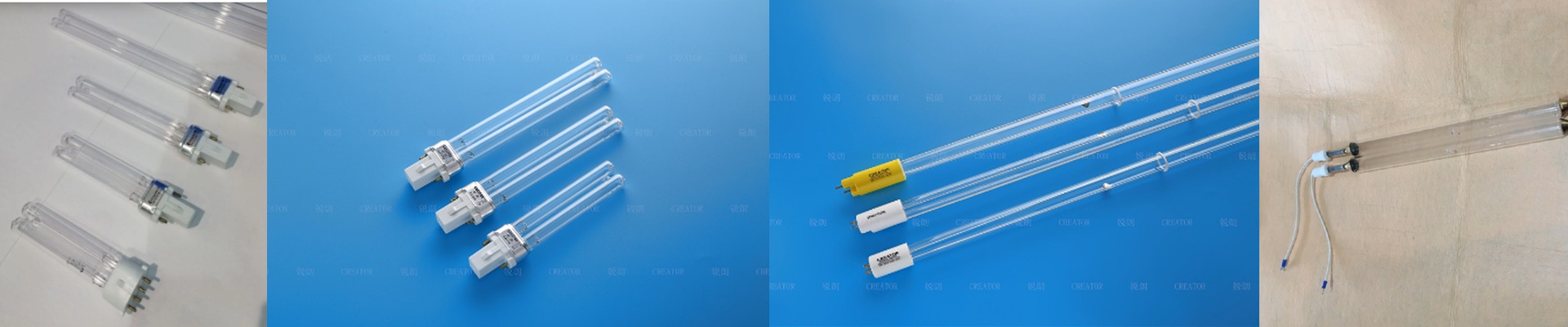
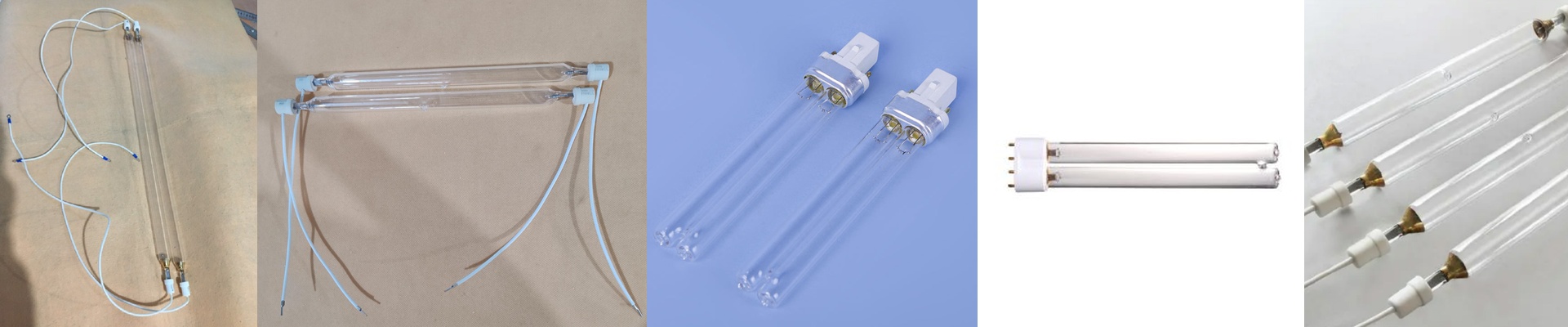
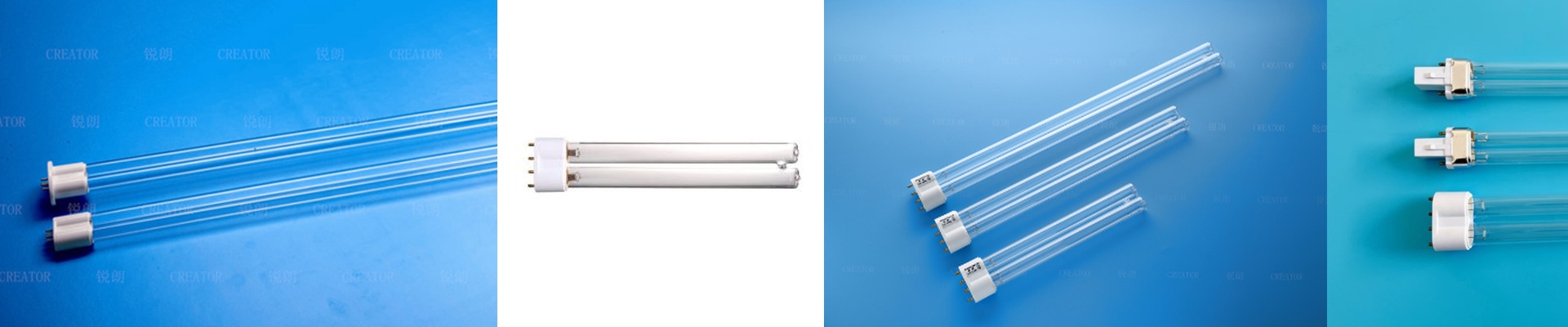
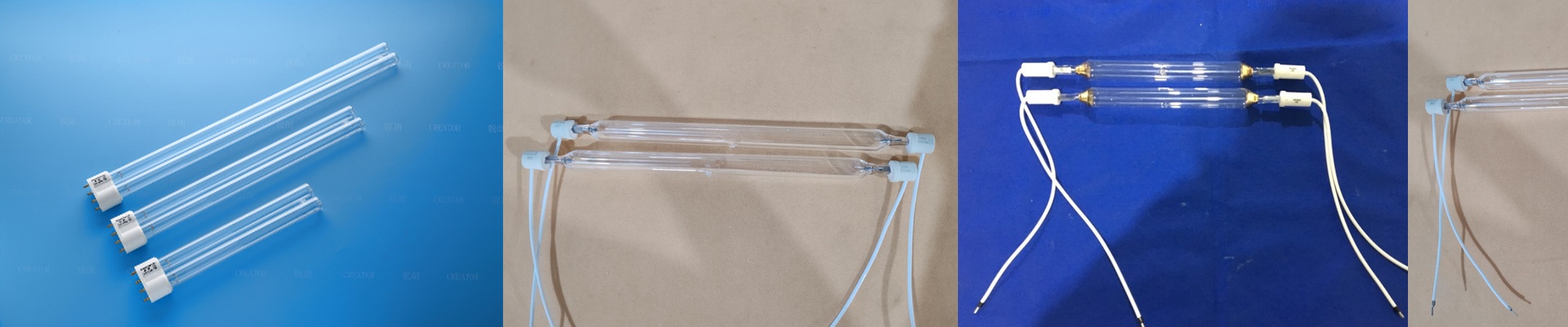
We use high-purity fused quartz for the envelopes because standard glass just blocks the light we need. We also tweaked the gas fill to stop the electrodes from pitting. And get this—the fit has to be perfect. We make sure the lamp length matches the reflector exactly. Why? Because if you’re off by even 10mm, you get “dark spots” on your print. That tiny gap can tank your efficiency by 15%. It’s frustrating, but that’s just how physics works.
Making it work in the real world
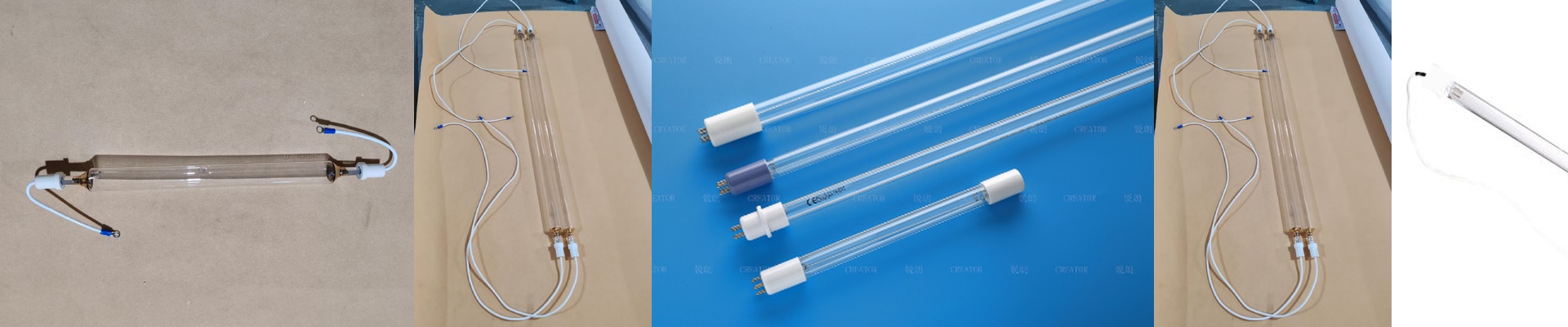
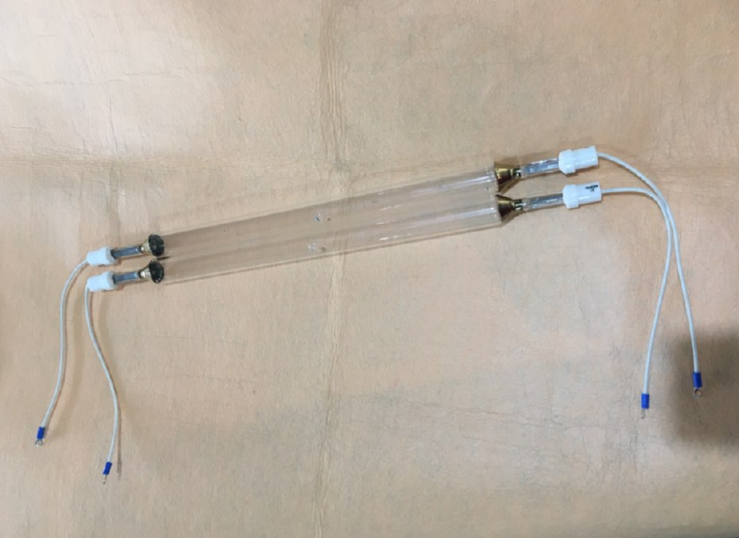
A lot of engineers just want a part they can swap in and forget about. But usually, the connectors and wiring are where the real headaches start. We use heat-resistant terminals that actually stay tight, even when the machines are vibrating all day. But you still have to be smart about speed. If you push a lamp to its absolute limit, your ink cures faster, but your bulb dies 20% sooner. It’s a trade-off. That’s why we don’t trust “theoretical minimums” for cooling. You need fans and airflow based on the actual heat the lamp puts out. If the cooling is too weak, it doesn’t matter how expensive your quartz is—the lamp is going to burn out.