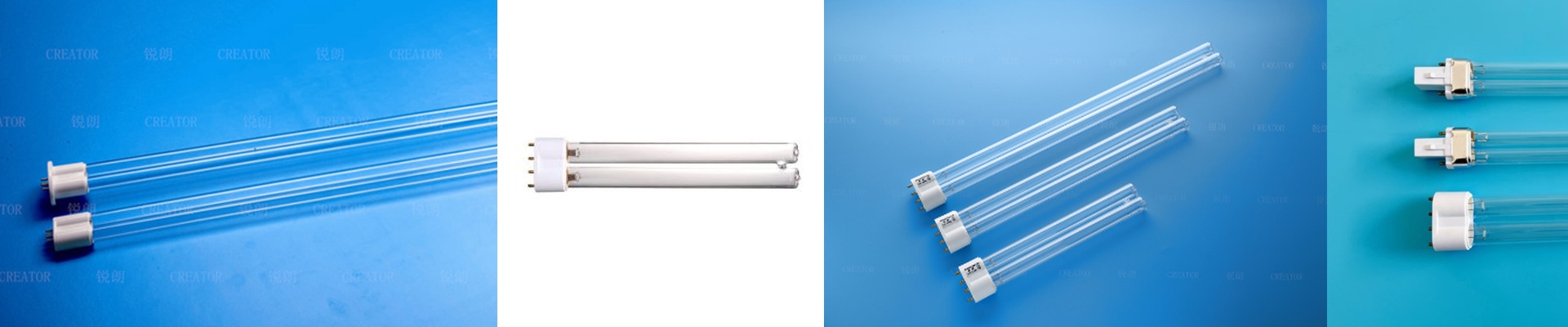
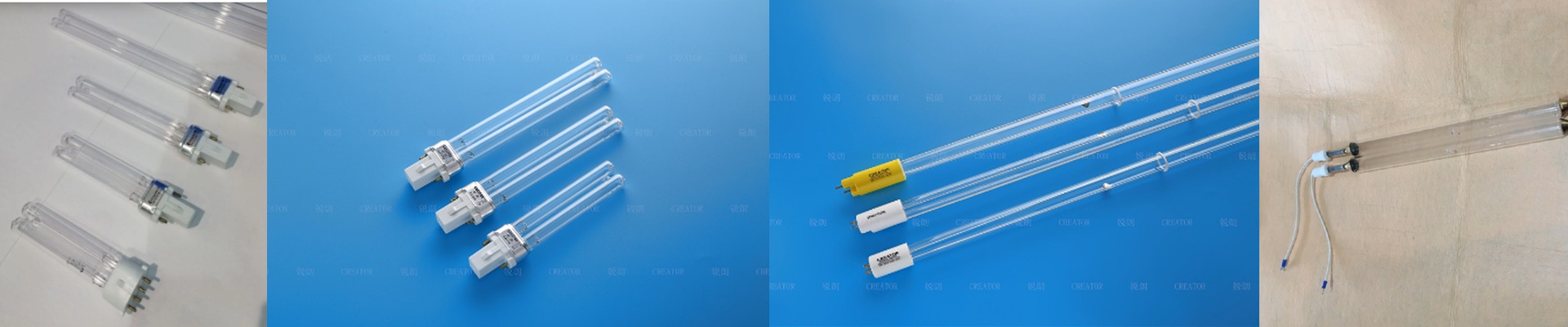
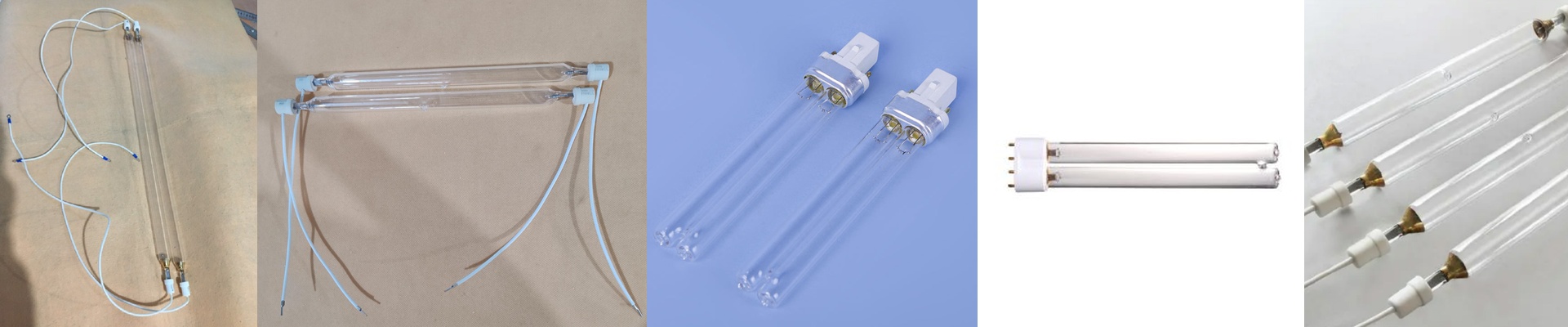
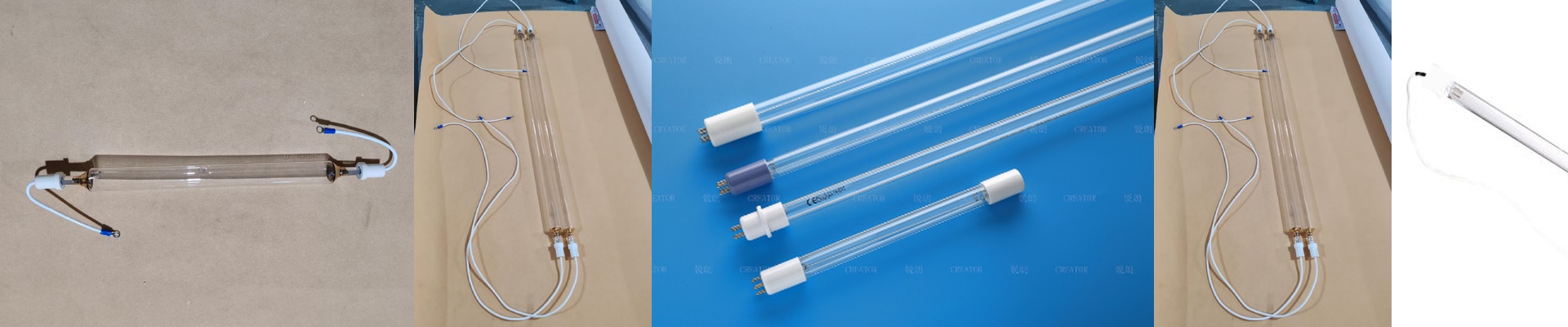
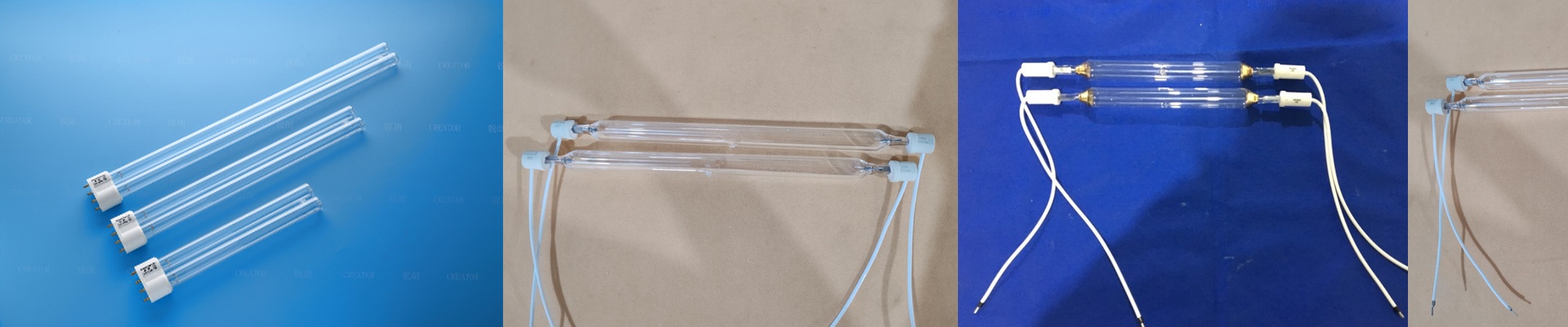
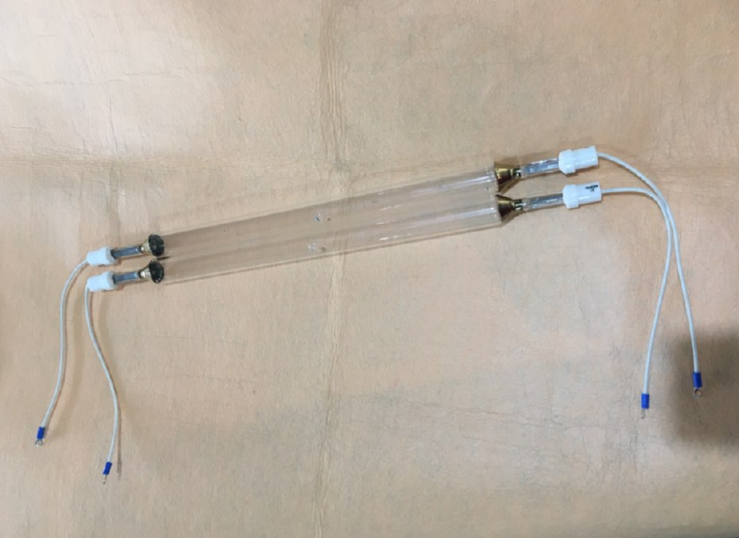
We’ve spent a lot of time on the road—visiting about 3,000 printing plants, to be exact. And we noticed something frustrating. There is a massive gap between what the sales catalog promises and what actually happens on the shop floor. Most off-the-shelf UV lamps just don’t cut it. They aren’t built for the actual speeds you’re running or the thick, sticky reality of modern industrial inks. So, we stopped obsessing over raw wattage and started focusing on how the light actually hits the surface. The heat struggle Here’s the thing about power: more wattage sounds great because it speeds up the curing process. But there’s a catch. When you cram too much power into a short tube, it gets incredibly hot. If your cooling system can’t keep up, you’re going to end up warping your PET or PVC. Not a great look. We spend our time balancing the tube length and voltage just right. You get the curing power you need without accidentally cooking your materials. Keeping it simple We use high-purity quartz glass. Why? Because standard glass blocks the shortwave radiation you need for a deep, solid cure. And we aren’t trying to reinvent the wheel with the connectors. We stick to industry-standard footprints. We’ve seen way too many “custom” connectors burn out because they didn’t fit tight enough. By keeping it standard, you can just drop our lamps into your existing rigs and get back to work without having to build new brackets or call in a fabricator. Dealing with the real world Factories are noisy, and the power grid is often just as messy. Voltage swings happen. If your lamp can’t handle those dips and spikes, you’ll get uneven curing across the web. We design our ballasts and lamps to eat those fluctuations for breakfast, so your output stays consistent. One quick tip: don’t run your lamps at 110% just to squeeze out a little more speed. You’ll kill the tubes way faster than you should. We suggest leaving about 10% headroom. Your equipment will last longer, and you’ll spend a lot less time swapping out dead bulbs.