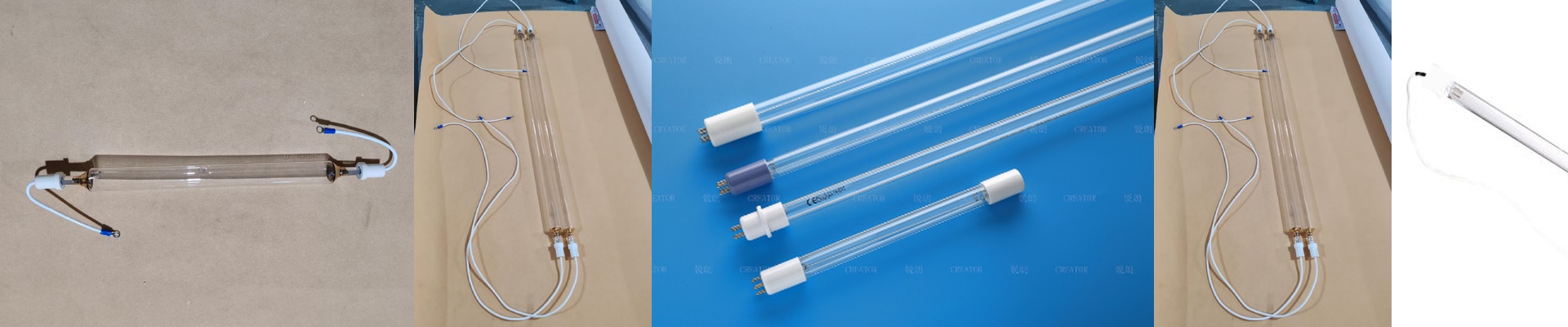
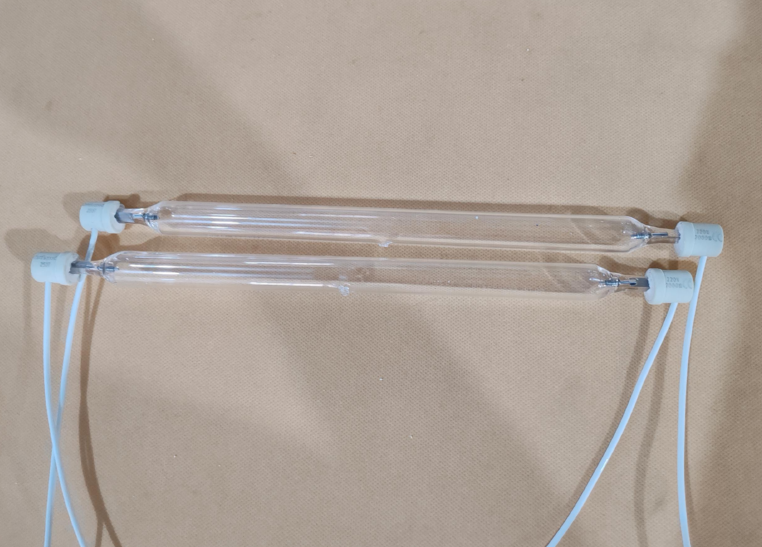
Stop Settling for “Good Enough” UV Lamps
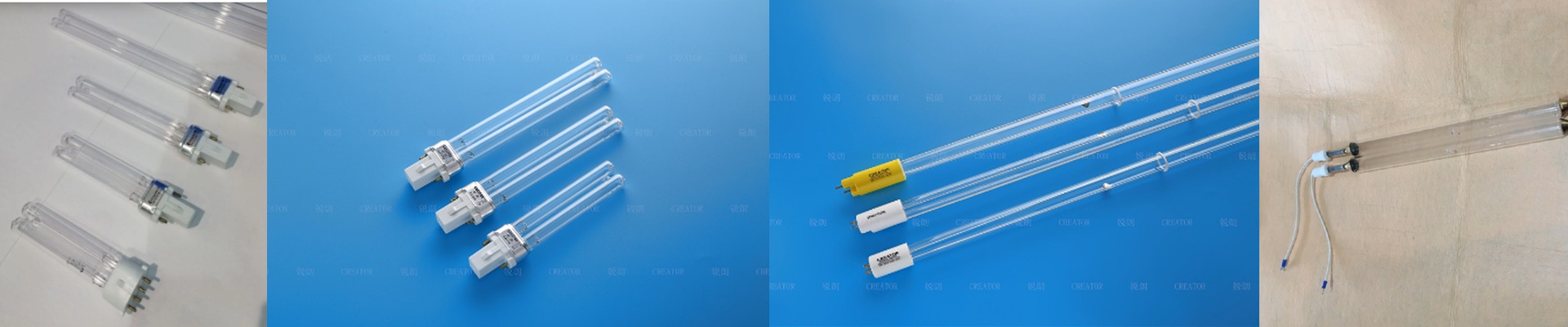
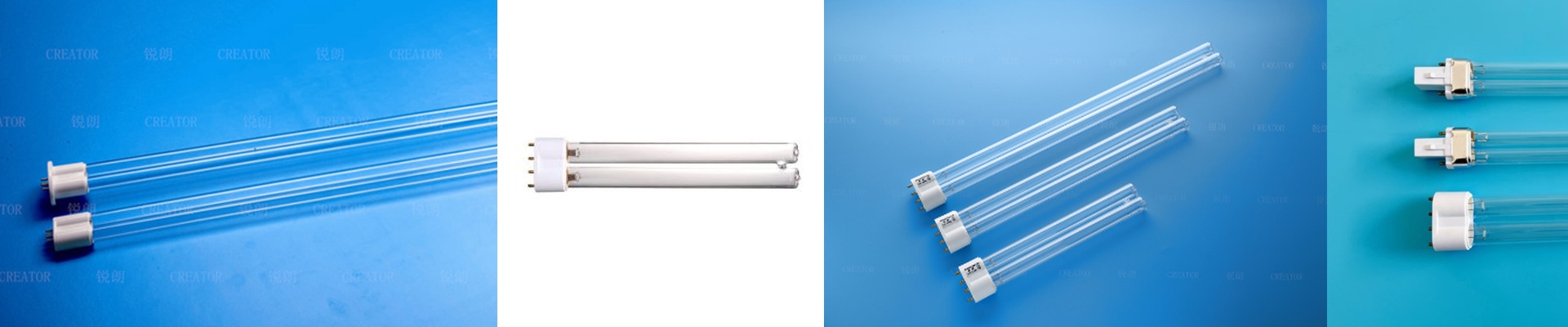
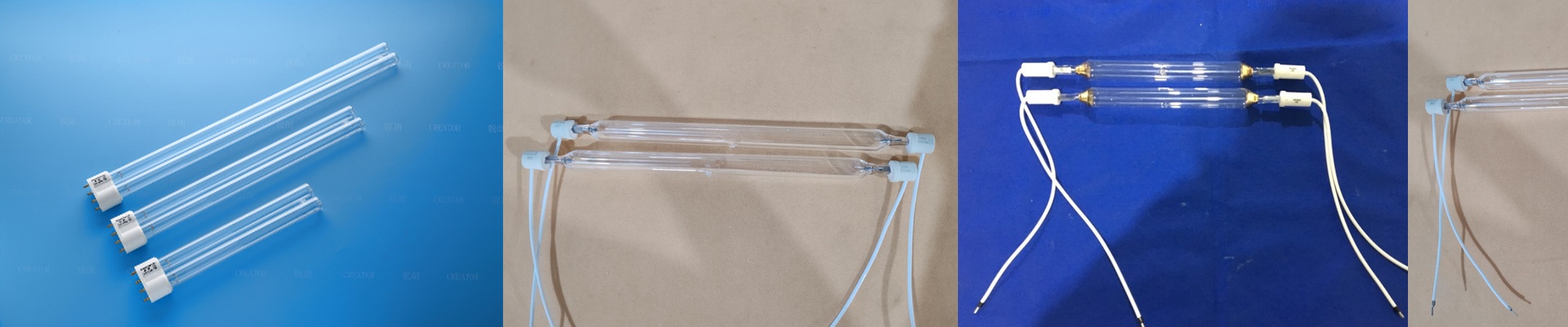
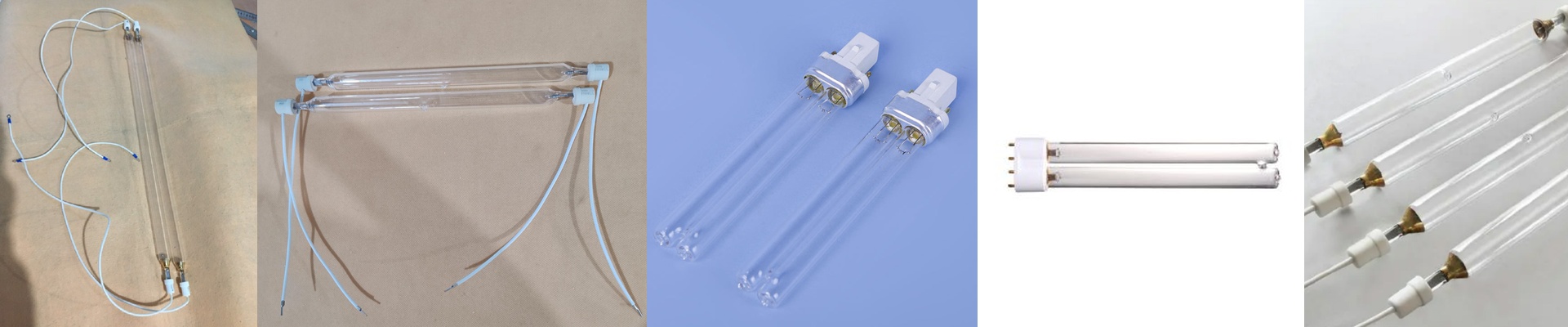
For 15 years, we played the role of the OEM supplier. We followed someone else’s blueprints and hit the marks they set. But there’s a massive difference between a lamp that technically “works” and one that can actually go toe-to-toe with the best brands in the world. We decided to stop following the blueprints and start owning the standards. The battle for stability In industrial curing, consistency is everything. If your lamp flickers or drops its output by even 5%, you’re in trouble. You end up with tacky surfaces or polymers that just didn’t cure right. It’s a nightmare for quality control. To fix this, we obsessed over the electrode chemistry and the purity of the quartz. We use high-grade fused silica because it doesn’t bow or warp when things get incredibly hot. The goal? A flat, steady UV output across the entire length of the tube. No dead zones. No surprises. The trade-offs you need to know Here’s the thing about high-transmission quartz: it lets a ton of UV-C and UV-B through, but it’s brittle. Actually, it’s delicate. You can’t just grab these tubes with your bare hands. The oils from your skin create tiny hotspots on the glass, and that’s usually what causes a lamp to fail prematurely. We also spent a lot of time refining the seal between the electrodes and the quartz. Most cheap lamps start leaking gas and die after 500 hours. We built ours to last way longer than that. Making it work in the real world We designed these to be simple drop-in replacements. You shouldn’t have to rebuild your whole system just to upgrade your lamps. We focused heavily on the end-caps and pin alignment. It sounds minor, but if those pins are off by a fraction of a millimeter, you risk arcing at the socket. And nobody wants to deal with that. But a word of advice: high-wattage systems get hot. Really hot. We’ve pushed the output to give you faster cure times, but your cooling fans and reflectors have to do their job. If your airflow is choked, the lamp will overheat and burn out long before it should. We aren’t building these to look great for the first 100 hours. We’re building them for the long haul.