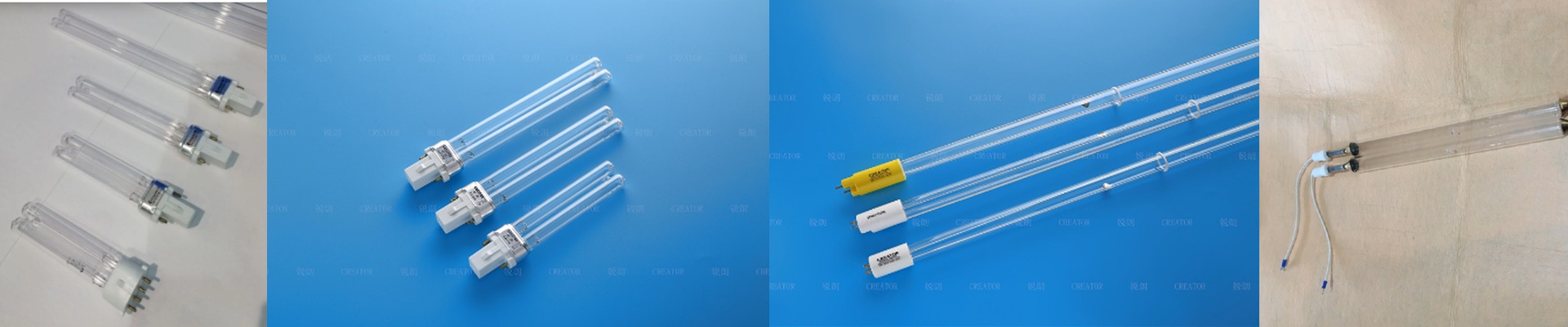
What 3,000 Printing Plants Taught Us About UV Lamps
We didn’t design our systems in a sterile lab. We spent a lot of time on actual shop floors—visiting 3,000 different printing plants—just to see where things actually break. Turns out, most “standard” UV setups aren’t built for the grit of a real production line. They either burn out way too fast or, worse, leak radiation right where your people are standing. That’s why we stopped obsessing over raw wattage and started focusing on what actually matters: shielding and heat.
Power vs. Safety
Here’s the deal with UVC radiation (the 254nm stuff): you need it to be intense to cure inks or kill germs quickly. But that intensity is dangerous. A “Warning” sign on the wall isn’t a safety plan. We built physical interlocks and specific shielding directly into the hardware. If a housing panel pops open, the power cuts instantly. No exceptions. No “maybe.” Just off.
Dealing with the Heat
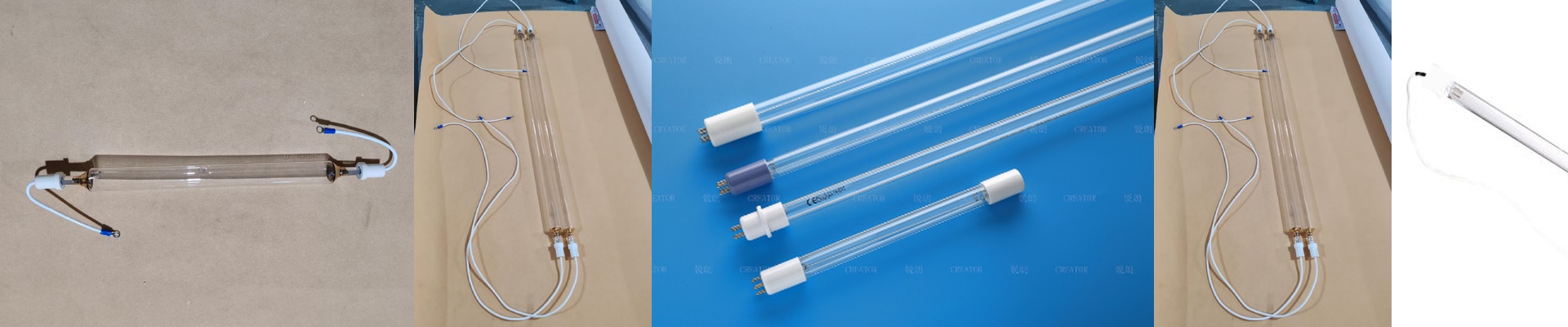
High-output lamps get hot. Really hot. If your cooling is off by even a little, you’re in trouble. For every 10-degree jump in temperature, your bulb’s life drops by about 30%. That’s a lot of wasted money. To stop this, we use oversized aluminum heat sinks and forced-air cooling to keep the quartz envelope stable. Now, the housing is a bit bulkier than something you’d buy for your home, but it’s a trade-off worth making so you aren’t replacing bulbs every other week.
Making Maintenance Less of a Pain
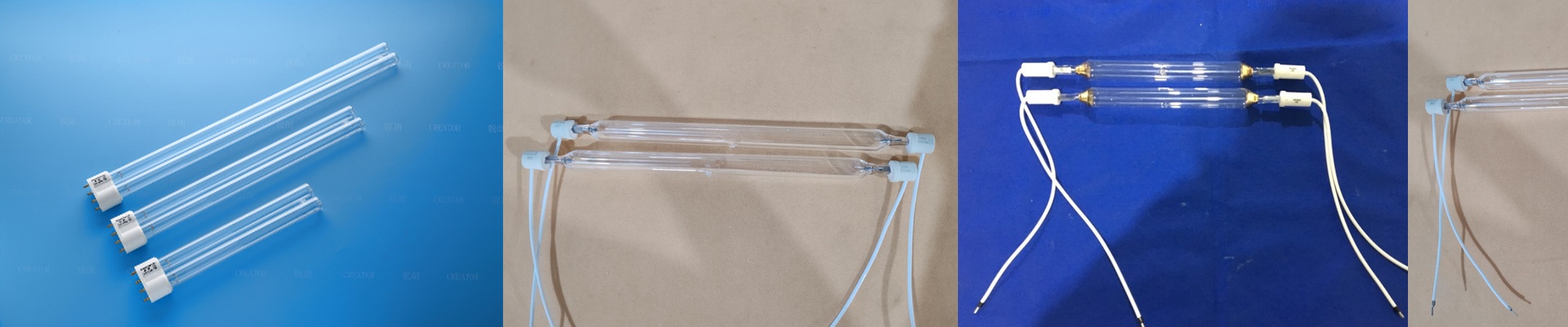
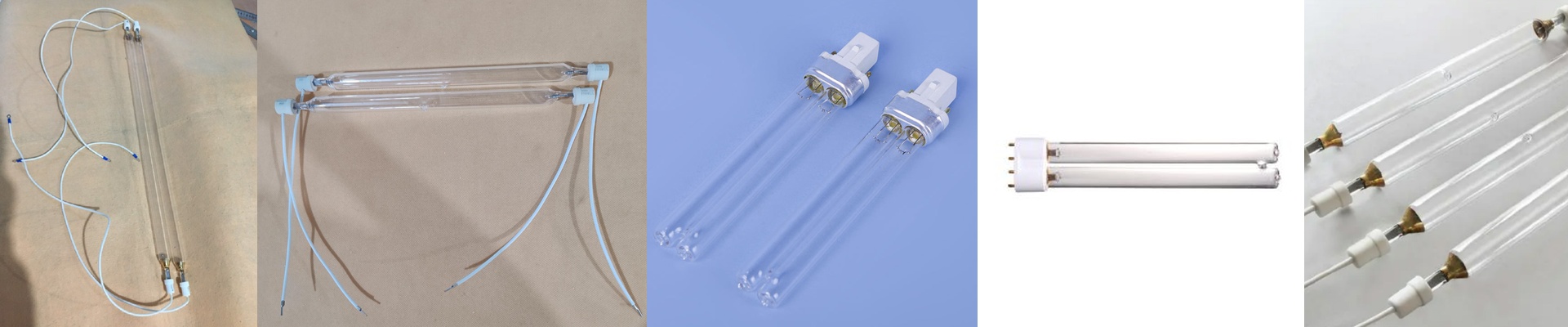
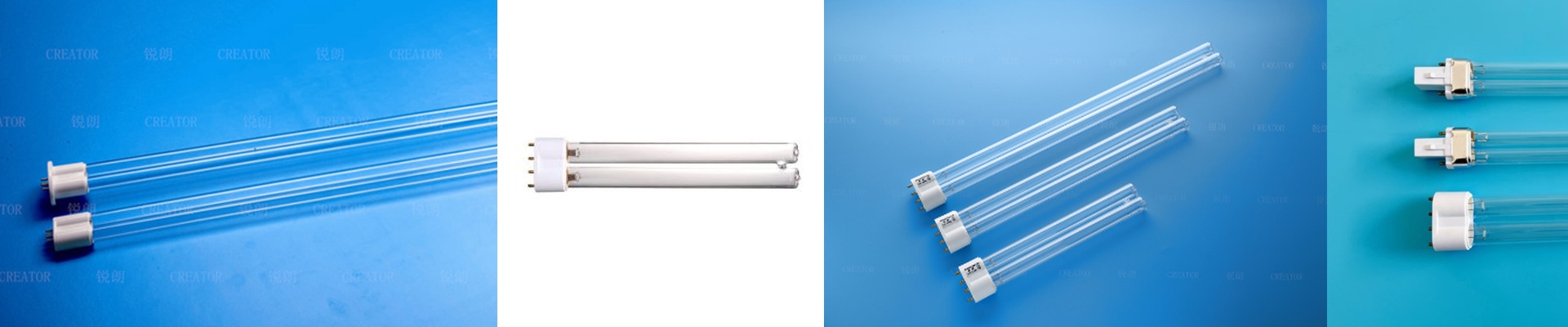
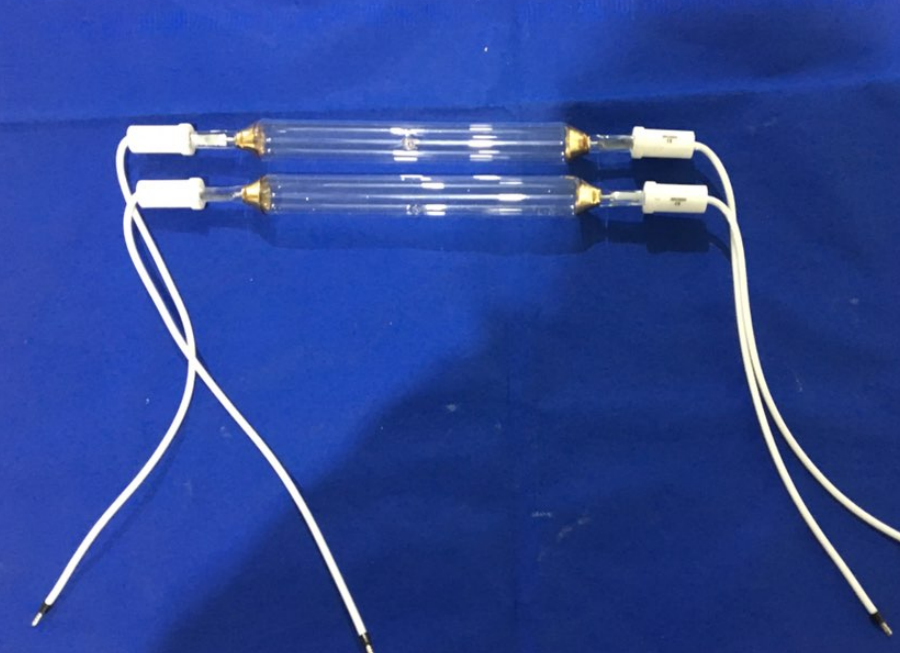
Nobody wants to call in an electrical engineer just to swap a dead bulb. We got tired of complex wiring, so we switched to a modular “drop-in” system. The connectors just lock into place. It’s simple, it’s fast, and it stops the risk of arcing. One quick tip: make sure your ballast matches the lamp’s impedance exactly. If you try to use a generic ballast on a high-precision tube, you’ll get flicker and your electrodes will fry. Match the specs, or you’ll be spending your weekends replacing tubes.